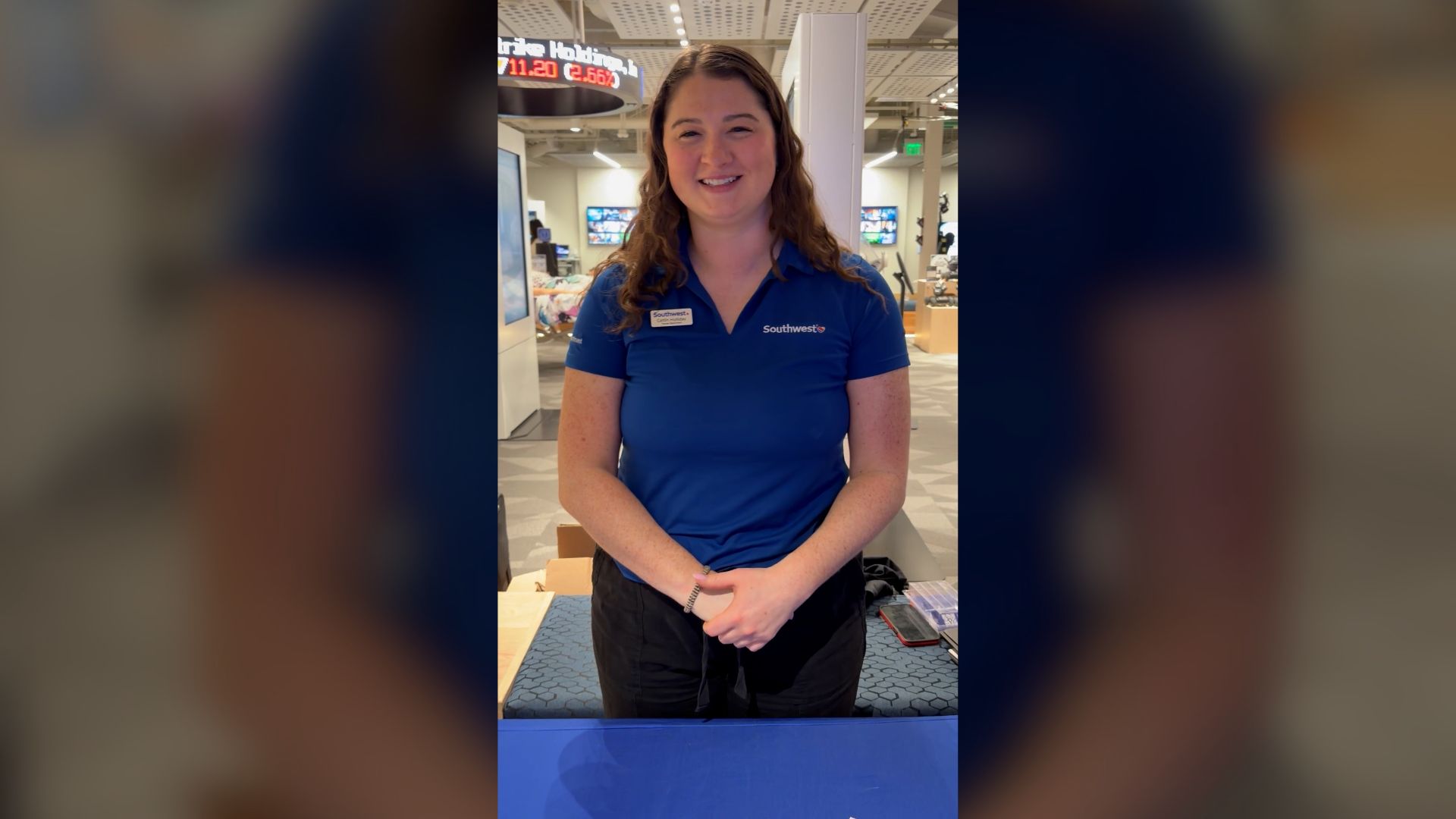
Southwest Airlines shares how Workforce Solutions Capital Area has become more than a hiring partner — but a continuous resource for recruiting, workforce events, and community connection.
In this employer testimonial, Southwest reflects on how the partnership has evolved over time through ongoing collaboration, candidate support, hiring events, and a deeper understanding of the company’s workforce needs.
From providing interview space near the airport to helping connect qualified candidates with career opportunities, Workforce Solutions continues to support employers through relationship-driven workforce solutions.
“It’s not just a one and done.”
In this story:
Employer hiring support
Workforce partnerships
Candidate recruitment
Community hiring events
Aviation and airport careers
Long-term workforce collaboration
Thank you to Southwest Airlines for sharing their partnership story.
Since launching in March 2025, the Austin Infrastructure Academy has brought together employers, educators, community organizations, and workforce partners to strengthen Austin’s skilled trades talent pipeline.
Together, we’re helping local job seekers access training and career opportunities while supporting the workforce needs of Austin’s growing infrastructure and mobility industries.
We are committed to mindful growth, continuously aligning with employer partner needs to ensure that training leads directly to meaningful jobs. Strong employer partnerships are critical to this work—grounded in shared workforce forecasts, training informed by employer needs, clear entry-level career pathways, and a commitment to hire locally.
What is the Austin Infrastructure Academy?
The Austin Infrastructure Academy is a local coalition of partners in government, education, business, and the community working together to grow Austin’s workforce in transportation, construction, and other skilled trades.
We connect local people to training and careers that power Austin’s growth—removing barriers so they can make a living, making Austin.
What we do:
Help employers find the workers they need
Support people in building long-term careers
Remove barriers including training costs, childcare, transportation, and gear
Year One by the Numbers
March 2025 – March 2026; Workforce Solutions Capital Area outcomes only
1,561
Residents Connected to Career Opportunities
1,078
Participants Enrolled in the Austin Infrastructure Academy1
162
Training Scholarships Awarded
99+
Residents Employed or Advancing Their Careers2
$18,480
Average Increase in Annual Earnings3
1 Enrolled participants have been accepted into the Austin Infrastructure Academy and receive individualized career navigation, with access to training, supportive services, and job placement assistance based on their needs. 2 Unemployment Insurance (UI) data typically reflects a two-quarter reporting delay 3Median Current Salary: $41,600
Year One Highlights
1. Preparing Talent for High-Demand Careers
Training programs supported through the Austin Infrastructure Academy are aligned with current employer demand across Austin’s mobility and infrastructure industries. Below is a snapshot of the entry-level training pipeline developed to meet those needs.
March 2025 – March 2026; Workforce Solutions Capital Area outcomes only
Target Occupation
Graduates Trained
Heavy and Tractor-Trailer Truck Drivers
41
Electricians
40
Heating, Air Conditioning, and Refrigeration Mechanics and Installers
21
Carpenters / General Construction
6
Plumbers, Pipefitters, and Steamfitters
2
2. Strengthening Communication on the Job Site
Through a partnership with Texas Mutual, Freestyle Languages, Austin Safety Council, and Austin Chapter of the Associated General Contractors, we launched a grant-funded Spanish and English language course designed to improve communication across job sites.
A total of 61 participants took part in the program, helping strengthen workplace safety, teamwork, and career growth opportunities.
Why this matters:
Safety‑critical work depends on clear, trusted communication across crews
Language gaps surface as job site risk, not just training gaps
Workforce readiness includes the ability to raise concerns before incidents occur
Results include:
Spanish-language learners achieved a 74% attendance rate, up from 40% in a previous session.
80% of Spanish-language participants advanced in the program
English-language learners reported improved confidence communicating on job sites
3. Employers Supporting the Local Talent Pipeline
The following employers represent a snapshot of the 140+ partners collaborating with the Austin Infrastructure Academy to strengthen the local talent pipeline across construction, mobility, utilities, transportation, and skilled trades.
City of Austin (Austin Water, Austin Energy, Austin-Bergstrom International Airport, etc.)
Travis County (Facilities and Natural Resources and Transportation)
AECOM
Airco Mechanical
All Ways Restoration
Austin ISD
Austin Transit Partnership
Balfour Beatty
CAM Industrial Solutions
CapMetro
Cat5 Construction Services
Centex Materials
Civil & Environmental Consultants
Facility Solutions Group
First Class Transportation
Greystar
Halff
HDR Engineering
JE Dunn Construction
Kiewit
Lower Colorado River Authority (LCRA)
LiUNA (Southwest Laborers District Council)
Lyft
Marek Bros
Republic Services
Rosendin Electric
RPM Living
Southwest Airlines
Stacy Witbeck
Sundt Construction
Texas Materials
Turner Construction
TxDOT
University of Texas at Austin
and more!
4. Staying Connected to Industry Needs
The Austin Infrastructure Academy directly engages with subcontractors, general contractors, and project sponsors to stay connected to workforce needs across the region.
By participating in industry events and conversations, we’re able to better understand hiring trends, strengthen partnerships, and connect local residents to career opportunities.
Recent partner engagements include:
AISD Economic Opportunity Office
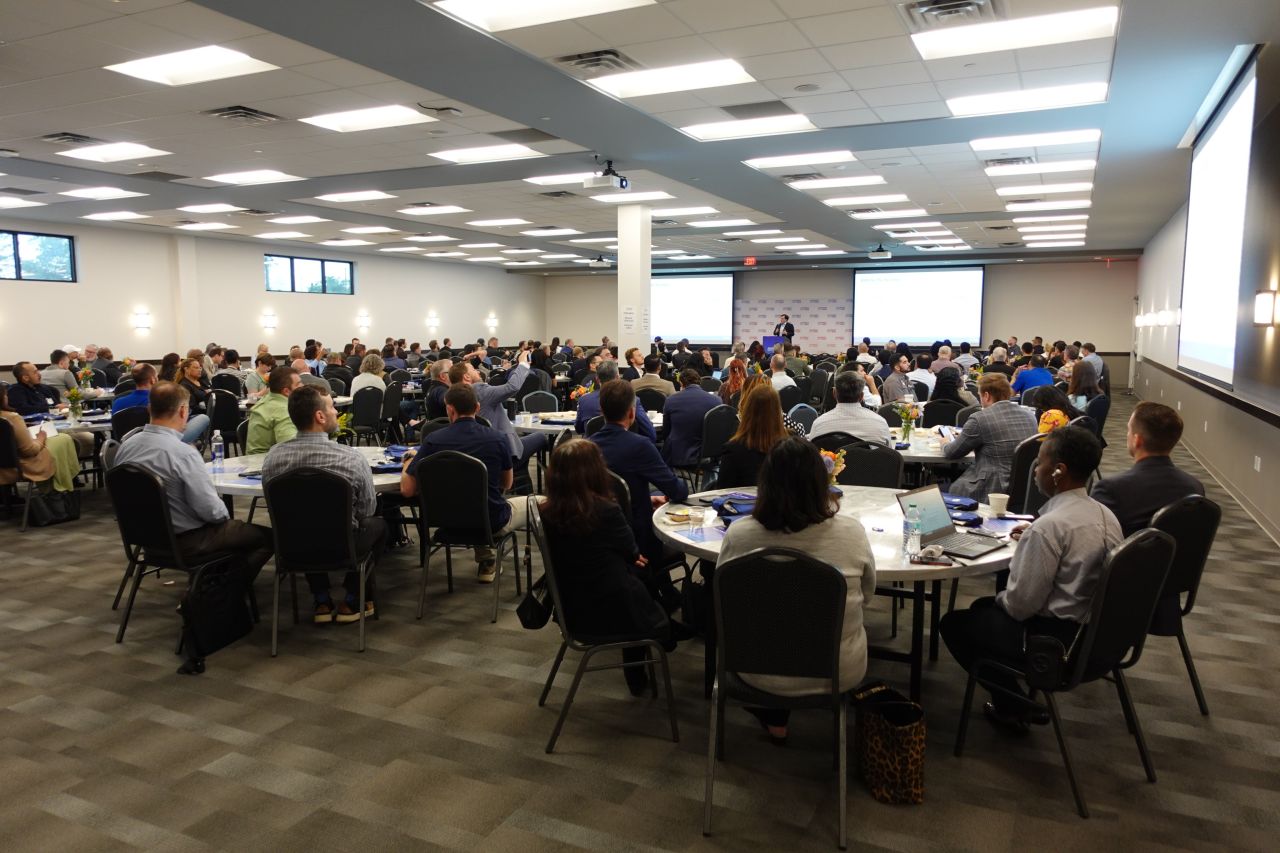
Runway to Opportunities: Journey With AUS Subcontractor Forum
More than 30 training provider representatives and frontline career staff came together for a collaborative learning exchange focused on infrastructure and skilled trades career pathways.
Participants shared referral strategies, training opportunities, and insights into employer needs — helping improve how job seekers are connected to careers and support services.
2. Building the Future Workforce
Building a strong workforce starts early by helping students explore real-world career opportunities through hands-on learning and industry exposure.
Through intentional partnerships with schools, educators, and industry leaders, we’re helping students better understand careers in transportation, construction, and other skilled trades while connecting classrooms to future opportunities..
Recent K–12 engagement efforts included:
Metroplex Career Rally: 98 students from Austin ISD, Del Valle ISD, Pflugerville ISD, and American Youthworks visited Plumbers & Pipefitters Local 286’s union hall on March 12 to explore skilled trades careers firsthand.
Austin Contractors & Engineers Association Construction Expo: 151 students participated in hands-on activities and explored career opportunities in the construction industry on March 27.
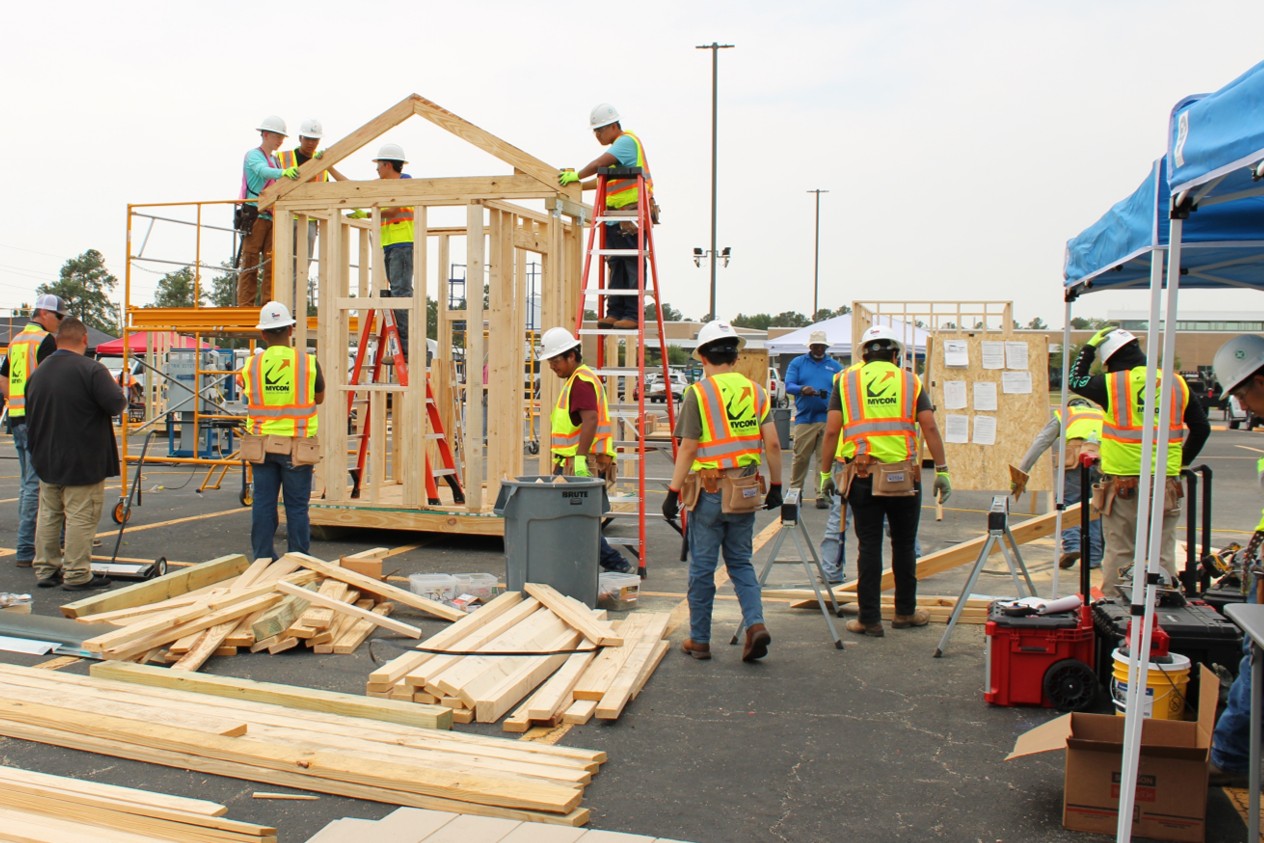
Construction Industry Education Foundation (CIEF) Design Build Competition: 100 high school students across seven teams designed and built structures under the guidance of industry professionals during the April 8–9 competition.
Photo: CIEF Design Build Competition at ACC Riverside
3. Expanding Opportunities for Women in Skilled Trades
Women remain underrepresented in infrastructure and skilled trades careers. To better understand barriers, motivations, and opportunities for growth, the Austin Infrastructure Academy gathered insights from more than 400 women across Central Texas.
What we heard:
Women are drawn to work with visible community impact and strong safety culture
Clear information about career pathways and entry points matter.
Childcare and schedule predictability remain major barriers.
Workplace culture, belonging, and representation influence interest and retention.
Austin Community College’s planned expansion in Southeast Travis County represents a major investment in the future of skilled trades education and workforce development. The facility will be the front door for the Infrastructure Academy in partnership with the City of Austin, Workforce Solutions Capital Area, and many other community partners, serving as a hub for hands-on training in construction, manufacturing, automotive technology, HVAC, welding, and related careers.
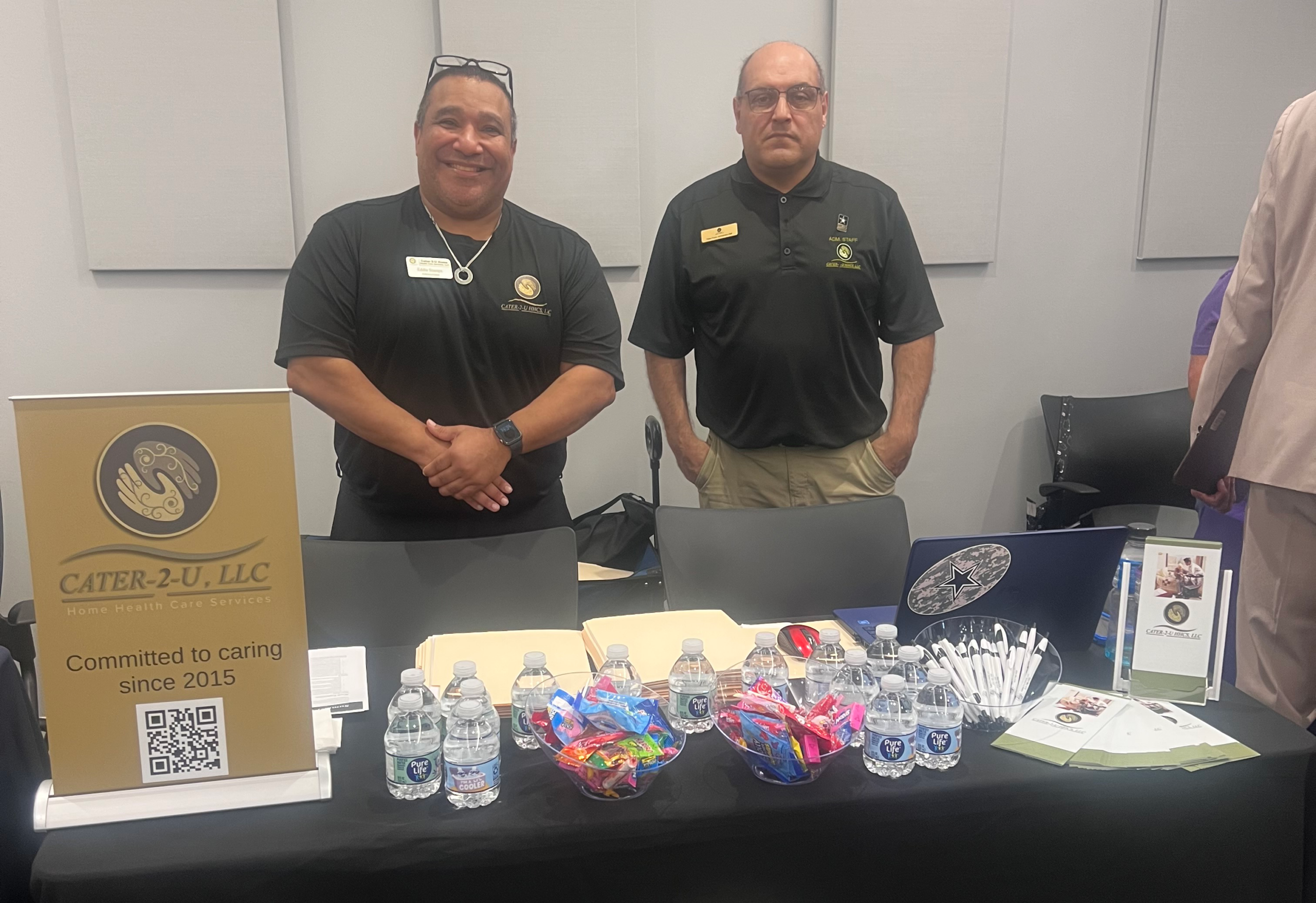
Through participation in a Healthcare Job Fair hosted by Workforce Solutions Capital Area, Cater-2-U Home Health Services successfully connected with qualified candidates and met immediate hiring needs. The event provided a platform for the employer to engage directly with job seekers, streamline recruitment, and identify talent aligned with their service model.
Cater-2-U’s strong engagement and readiness to hire resulted in immediate outcomes, demonstrating the value of in-person hiring events in today’s competitive healthcare labor market.
The Challenge
Like many healthcare providers, Cater-2-U faces ongoing challenges in recruiting qualified staff to support growing service demands. Traditional hiring methods can be time-consuming, often delaying the onboarding of critical roles needed to maintain high-quality care.
To overcome these challenges, Cater-2-U participated in a targeted hiring event designed to accelerate recruitment and connect with job ready candidates in a single setting.
Strategic Approach
Cater-2-U Health Services leveraged the Healthcare Job Fair to meet candidates face-to-face, conduce really time interviews, on the spot background checks, and assess qualifications efficiently. With support from Workforce Solutions Capital Area’s Business Services team, the employer had access to diverse pool of prepared job seekers, many of whom were aligned with healthcare roles and actively seeking employment.
“The job fair was highly successful, with a strong pool of candidates who brought experience across a variety of areas. The event was well organized and effectively accommodated all participating companies,” Eddie Stamps, CEO of Cater-2-U Home Health Care Services, said.
A coordinated effort across Workforce Solutions teams, including Business Services and Career Services, helped ensure candidates were informed, prepared, and ready to engage with employers, creating an environment conducive to immediate hiring decisions.
Impact & Outcomes
Cater-2-U Health Services achieved significant results during the event. Five candidates were hired on the spot, the employer connected with a strong pipeline of additional qualified candidates, and immediate hiring needs were addressed, reducing time-to-fill for critical roles. These outcomes highlight the effectiveness of direct engagement between employers and job seekers, all allowing Cater2U to quickly identify and secure talent.
“From a hiring perspective, we were able to connect with several qualified candidates and successfully hired five individuals from the event,” Stamps said.
Conclusion
Cater-2-U’s success at the Healthcare Job Fair demonstrates how strategic hiring events can deliver immediate results. By participating in a coordinated workforce initiative, the employer was able to accelerate hiring, reduce recruitment timelines, and build a strong talent pipeline.
This success reinforces the value of Workforce Solutions Capital Area’s services for local employers in supporting healthcare providers and connecting job seekers to meaningful employment opportunities turning connections into careers in real time.
Our tailored solutions at various levels of support can assist your business with awareness-raising, training, placement, and upskilling. Learn more and contact us to begin.
MGT’s new four-part report series explores how states and regions are redefining education-to-career systems: connecting students to meaningful, paid pathways that lead to economic mobility and meet workforce demand.
The Stackable Credentials white paper explores how stackable credentials within Career Connected Learning efforts create flexible, employer-aligned pathways that allow K–12 students to earn industry-recognized credentials, enter high-demand careers, and continue advancing their skills over time to achieve long-term economic mobility.
In Austin, the Central Texas Healthcare Academy created five stackable credential healthcare pathways beginning in high school.
Across our 10-county region, more than 115,000 students are enrolled in industry-aligned, credential and degree pathways connected to high-demand careers.
50,000 students in healthcare
46,500 in STEM
13,400 in semiconductor & advanced manufacturing
6,500 in skilled trades
At the same time, thousands of job openings across these sectors show just how important early career awareness, work-based learning, and employer engagement truly are.
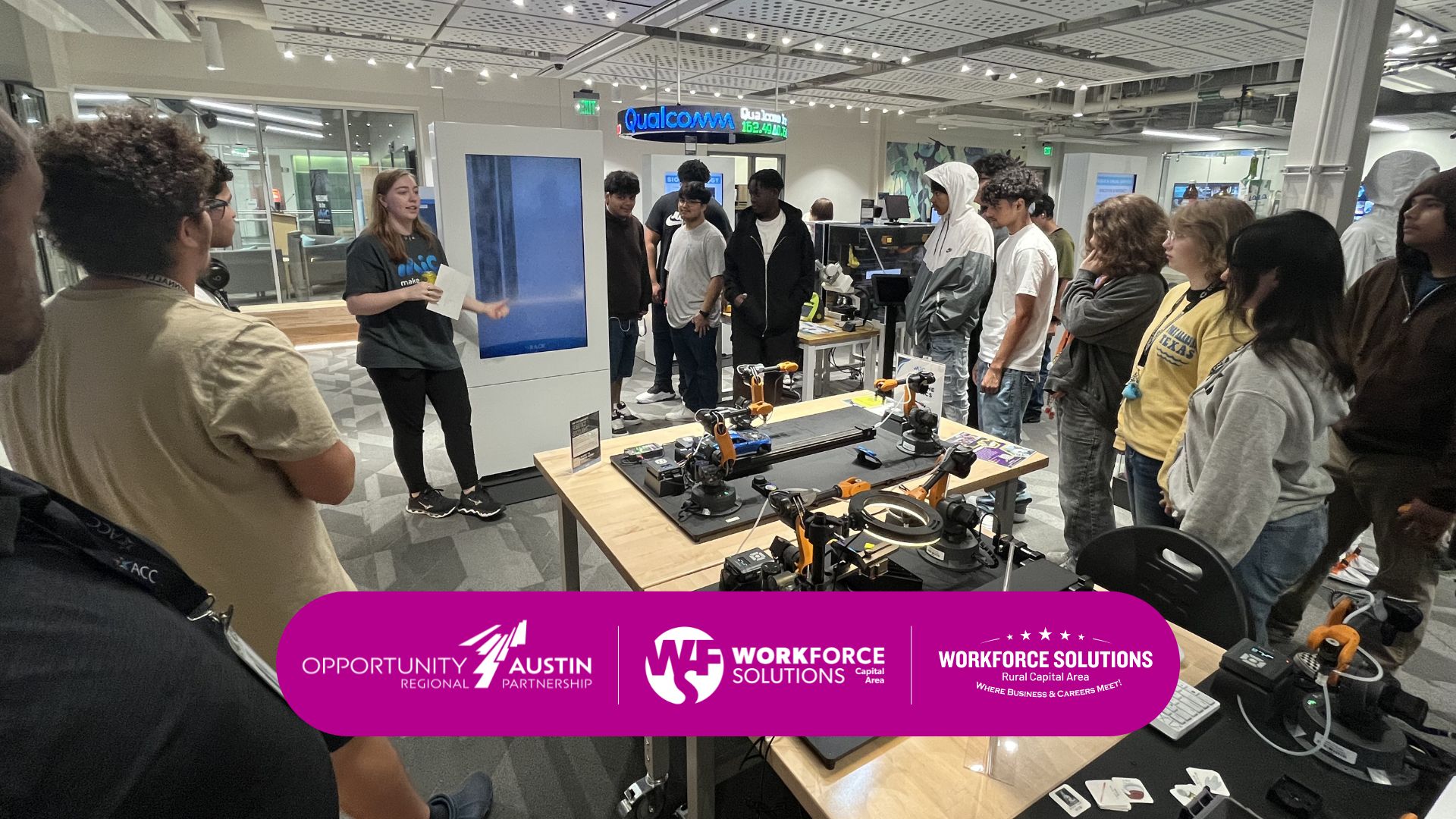
Our newest Texas Talent Experts report — developed in partnership with Opportunity Austin and Workforce Solutions Rural Capital Area — highlights how regional collaboration is aligning K-12 pathways with real workforce demand.
Read the white paper and see how Central Texas is strengthening its talent pipeline from the classroom forward.
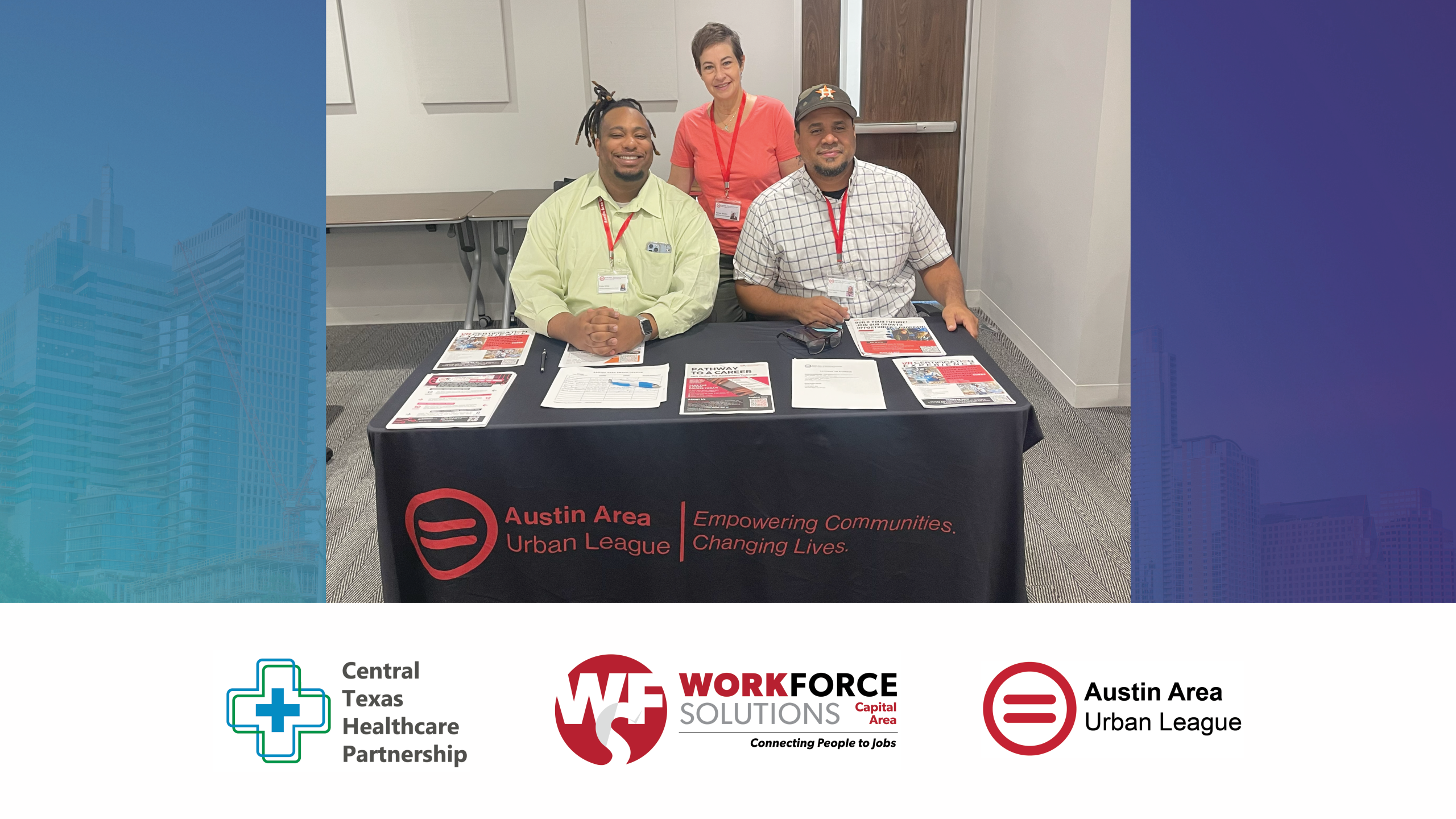
As an employer deeply committed to advancing economic opportunity, the Austin Area Urban League (AAUL) has successfully partnered with Workforce Solutions Capital Area (WFS) to grow its team, invest in emerging talent, and support meaningful career pathways. By leveraging Reverse Referrals, Subsidized Employment, and On-the-Job Training, AAUL has strengthened its workforce while modeling best practices in inclusive hiring and skill development.
For mission-driven employers like AAUL, it’s essential to bring in staff who align with both the organization’s values and its community impact goals. Traditional recruitment methods can sometimes leave key roles unfilled if the right candidates aren’t actively applying.
AAUL embraced the Reverse Referral model—referring strong candidates directly to WFS to be screened for eligibility and supported through subsidized employment services—to close this gap. This approach ensures they can move forward with hiring individuals they’ve already identified as valuable additions to their team.
Through Reverse Referrals, AAUL referred six candidates, resulting in five hires through the Subsidized Employment program. These placements provided immediate support to the organization while reducing wage costs during the initial training period. Two of those employees transitioned into On-the-Job Training—a clear indication of AAUL’s commitment to long-term workforce development.
These transitions resulted in wage increases ranging from $3.00 to $5.00 per hour. These outcomes reflect a strong return on investment for both the employer and the individuals served.
What they’re saying: “This service has been instrumental for the Austin Area Urban League, especially considering our challenges with immediate funding for new hires,” Eric Valentine, Senior Director of Workforce Development at AAUL, said.
“Since our partnership began, we have had the opportunity to hire quality employees permanently, and we’ve noticed that they approach their roles with a strong sense of responsibility during the probationary period. I sincerely hope the Subsidized Employment Program continues, as it significantly impacts our community in Travis County. Thank you once again for your support!”
This group of employees represents more than just numbers—they reflect the impact of a hiring model that puts equity, strategy, and speed at the center of workforce development. By leveraging Reverse Referrals, AAUL was able to hire individuals they had already identified as mission-aligned, while Workforce Solutions provided the financial support to onboard and upskill them.
Our partnership with AAUL reflects a smart hiring strategy and a meaningful investment in people. In 2025, Workforce Solutions Capital Area paid out $67,000 in subsidized wages—dollars that go directly toward building local workforce capacity and supporting employer growth. AAUL’s experience stands as a model of how these funds can be maximized to benefit both organizations and the communities they serve.
Austin Area Urban League showcases how workforce solutions can be tailored to meet the real needs of employers—especially those working on the frontlines of economic empowerment. By combining Reverse Referrals with Earn & Learn strategies like Subsidized Employment and On-the-Job Training, AAUL is not only hiring for today, but also developing a workforce for tomorrow.
Our tailored solutions at various levels of support can assist your business with awareness-raising, training, placement, and upskilling. Learn more and contact us to begin.
Beth Vaughn of St. David’s HealthCare shares how partnering with Workforce Solutions Capital Area is helping address one of healthcare’s most pressing national challenges: a shortage of qualified workers across critical roles.
Through collaborative efforts like the Central Texas Healthcare Partnership, Beth and other employers are strengthening clinical rotation access, improving student engagement, and increasing the number of local nursing graduates — from around 600 in 2019 to nearly 1,300 in 2024.
“Coming together has made the difference in creating a stable pipeline here in Austin.”
This is what happens when community, education, and industry align for long-term impact — and lead by example.
Over the last five years, Austin’s high-tech sector has added 30,000 new jobs—pushing total employment to nearly 95,000. But growth alone isn’t enough. Sustaining this surge means connecting students, job seekers, and employers across a 12-county region with aligned training, earn-and-learn programs, and career exploration pathways.
Software development roles alone have increased by more than 8,000 since 2020, with average salaries topping $142K
Over 7,500 computer- and math-related degrees are awarded each year in the region
Workforce Solutions’ Earn & Learn services and Opportunity Austin’s Talent Ambassador Program are helping local employers fill roles fast—while building long-term pipelines through career panels, internships, and paid training.
Our new Tech Industry Snapshot—developed by Workforce Solutions Capital Area, Workforce Solutions Rural Capital Area, and Opportunity Austin—offers fresh labor market insights, tech talent strategies, and real-world examples of how we’re building a stronger, more connected workforce.
When Homewatch Caregivers of Austin launched in December 2023, their mission was clear: deliver compassionate, personalized in-home care to individuals and families across the Austin area. But like many new businesses, they faced a critical challenge—how to build a strong, reliable team with limited resources.
Through the Earn & Learn service offered by Workforce Solutions Capital Area (WFS), Homewatch found more than just staffing support—they found a strategic partner committed to workforce development and long-term business success.
Why it matters: As a newly established in-home care agency, Homewatch needed a dependable workforce to meet growing client needs. However, with tight startup budgets, recruiting and training qualified employees posed a significant hurdle.
That’s where the Earn & Learn service made the difference. By providing funding support for on-the-job training, Earn & Learn is assisting Homewatch to build its team without compromising service quality or financial stability.
Through our Earn & Learn service, Homewatch accessed a diverse talent pool and filled essential care positions using WFS Capital Area’s Reverse Referral model, which allows employers to directly refers a current employee or a candidate for employment to Workforce Solutions.
This streamlined approach allowed Homewatch to refer promising candidates for subsidized training and employment, reducing hiring risks and accelerating onboarding. The partnership also opened doors to attend local hiring events and tap into a network of job-ready individuals seeking purpose-driven careers in healthcare.
Angelica Hernandez
Since joining the Earn & Learn initiative in November 2024, Homewatch Caregivers of Austin has made significant strides in workforce development:
They successfully placed candidates through community hiring events, including Workforce Solutions’ healthcare-focused job fairs.
Homewatch advanced their employee Angelica Hernandez to a Care Coordinator role earning $21 per hour through On-the-job training.
Another employee is being upskilled through the Reverse Referral process and will be transitioning into a new role as an Office Administrative Assistant, showcasing Homewatch’s dedication to internal growth and employee advancement.
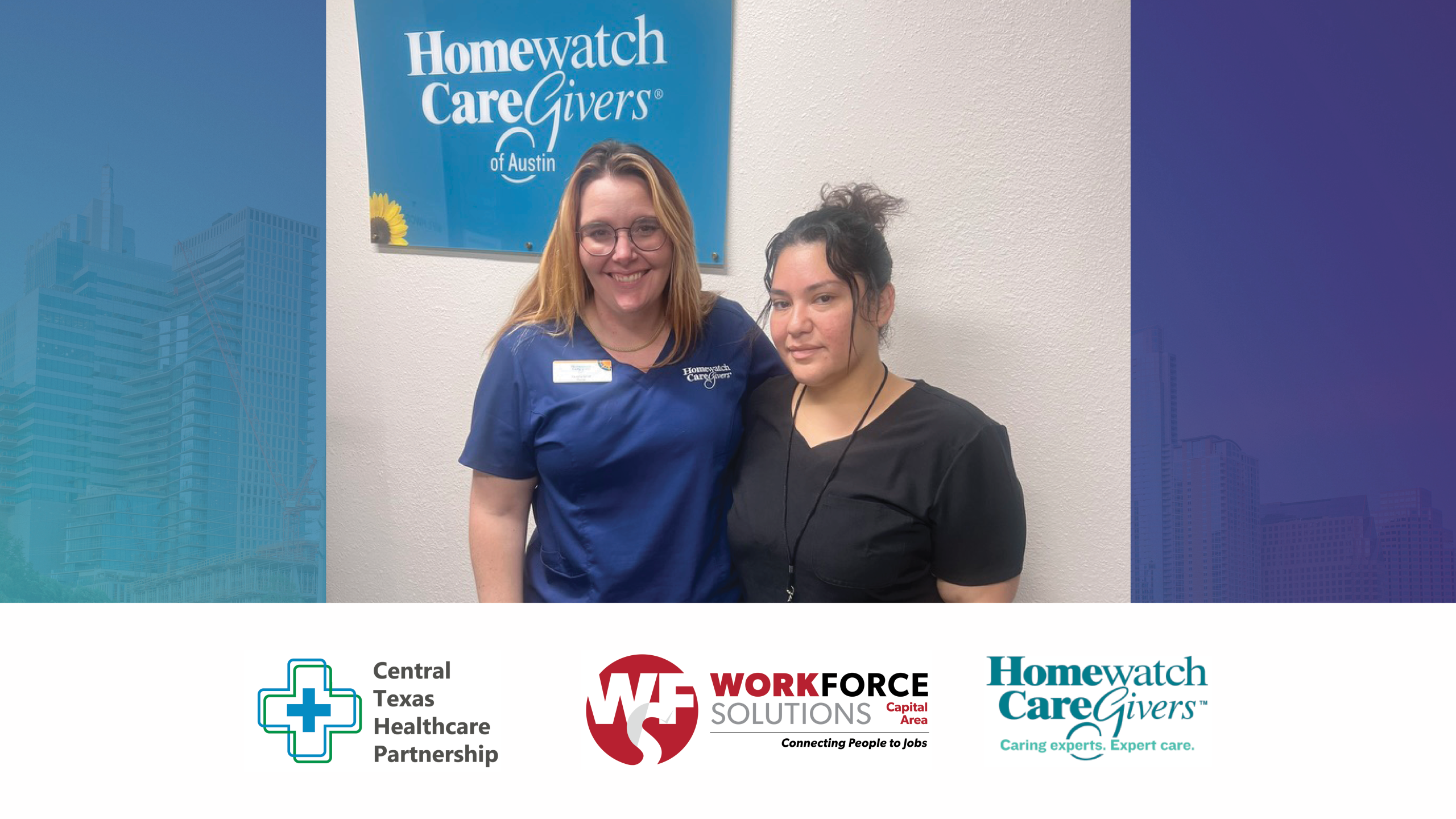
Homewatch recruited Carilu Ledezma (at top) as a caregiver at a healthcare industry job fair hosted by WFS Capital Area in July. Carilu is earning $17.25 an hour in her new role.
What they’re saying: “As small business owners, the board’s hiring events and employer services have been a turning point for us,” Maresha and Imo Eshiet, owners of Homewatch Caregivers of Austin, said. “Running a new agency means every hour matters, and this support gave us the time to focus on building the right team from within. We have been able to empower our employees with opportunities, resources, and confidence to grow alongside us.
“That investment has not only strengthened our business, it has allowed us to stay true to our purpose of providing compassionate care while creating a workplace where people feel valued and supported. We are deeply grateful for this partnership and the difference it has made for our business and our team.”
The success of Homewatch Caregivers of Austin’s participation in Earn & Learn illustrates the true power of collaboration. With support from WFS, they have filled vital positions and invested in their employees’ futures—building a stronger, more resilient workforce.
Our tailored solutions at various levels of support can assist your business with awareness-raising, training, placement, and upskilling. Learn more and contact us to begin.
From robotics classrooms to registered apprenticeships, the journey to a thriving manufacturing workforce begins early and grows with every opportunity to learn, train, and upskill. In Central Texas, that journey is backed by strong regional partnerships linking K12 systems, higher education, and employers.
In-demand roles like CNC programmers and industrial engineers have grown by over 40% since 2019.
Students and veterans alike are engaging with hands-on training through programs like Semiconductor Technician Advance Rapid Start (STARS) and the Make It Center.
Employers are retaining top talent through zero-cost apprenticeship models, supported by local workforce boards and training providers.
Explore how Workforce Solutions Capital Area, Opportunity Austin, Workforce Solutions Rural Capital Area, and the Austin Regional Manufacturers Association are aligning efforts to grow and sustain our regional talent pipelines.