The Summer Earn and Learn (SEAL) program provides students with disabilities, aged 16–22, with work readiness training and paid work experience. SEAL is a statewide strategy that includes employability skills training and paid work experience for students with disabilities.
Benefits for employers
The SEAL program helps businesses meet workforce demands by providing a risk-free opportunity to engage young workers with disabilities. Benefits for employers include:
Temporary Summer Employees (5-7 weeks)
Wages & Workers’ Compensation Insurance – Covered by us!
Reasonable Accommodations Provided
Work Readiness Training for Students
Ongoing Support & Site Visits
Ready to support the future workforce—at no cost to you?
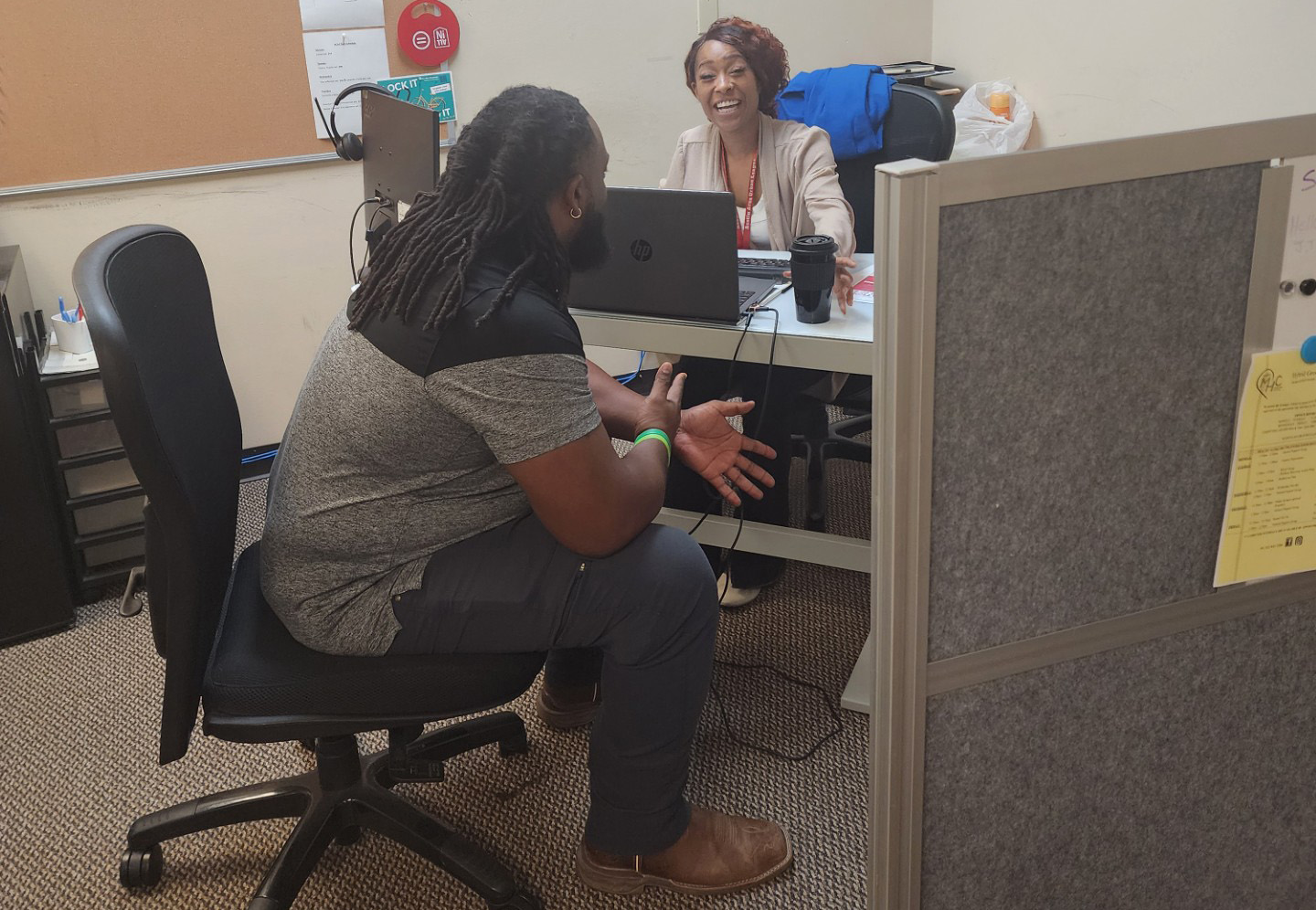
Contact Kesha Gardner, Student HireAbility Navigator, to get started!
MGT’s new four-part report series explores how states and regions are redefining education-to-career systems: connecting students to meaningful, paid pathways that lead to economic mobility and meet workforce demand.
The Stackable Credentials white paper explores how stackable credentials within Career Connected Learning efforts create flexible, employer-aligned pathways that allow K–12 students to earn industry-recognized credentials, enter high-demand careers, and continue advancing their skills over time to achieve long-term economic mobility.
In Austin, the Central Texas Healthcare Academy created five stackable credential healthcare pathways beginning in high school.
Across our 10-county region, more than 115,000 students are enrolled in industry-aligned, credential and degree pathways connected to high-demand careers.
50,000 students in healthcare
46,500 in STEM
13,400 in semiconductor & advanced manufacturing
6,500 in skilled trades
At the same time, thousands of job openings across these sectors show just how important early career awareness, work-based learning, and employer engagement truly are.
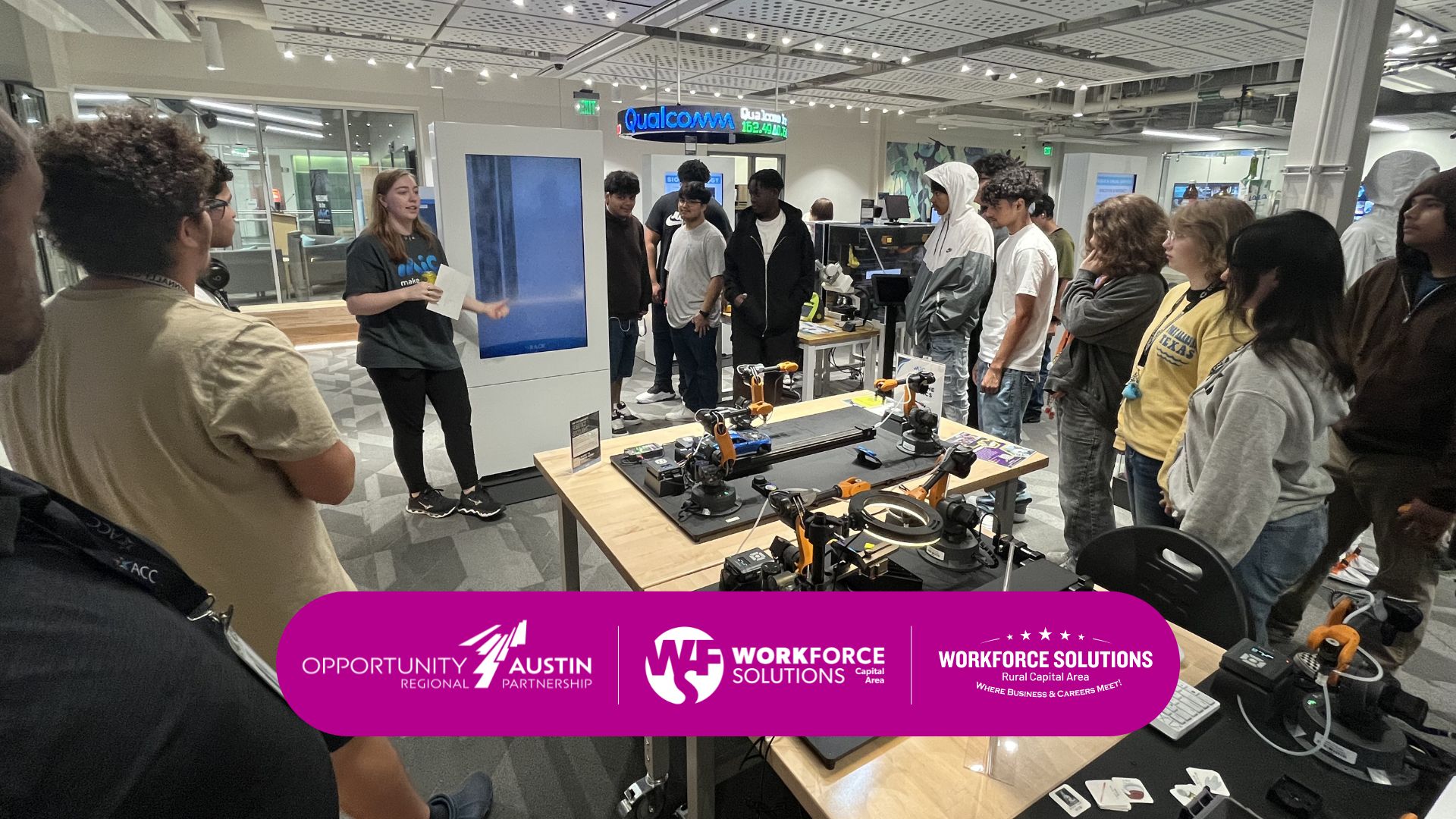
Our newest Texas Talent Experts report — developed in partnership with Opportunity Austin and Workforce Solutions Rural Capital Area — highlights how regional collaboration is aligning K-12 pathways with real workforce demand.
Read the white paper and see how Central Texas is strengthening its talent pipeline from the classroom forward.
As you sit in traffic or drive through a construction zone, perhaps your next career move could bring you behind the scenes of the Austin transportation world.
Movability, CapMetro and Workforce Solutions are hosting a networking event on Thursday on National Transit Career Day.
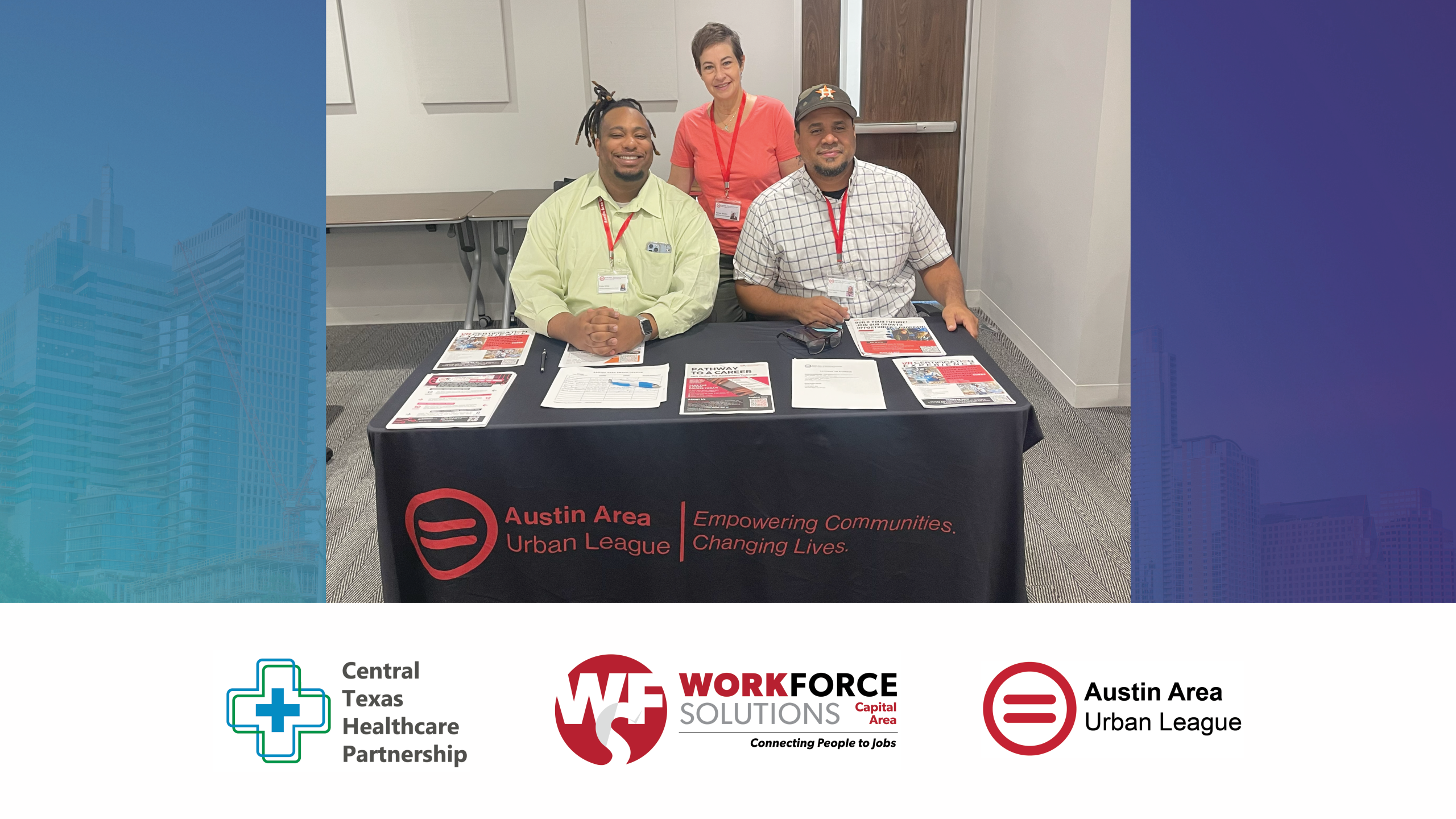
As an employer deeply committed to advancing economic opportunity, the Austin Area Urban League (AAUL) has successfully partnered with Workforce Solutions Capital Area (WFS) to grow its team, invest in emerging talent, and support meaningful career pathways. By leveraging Reverse Referrals, Subsidized Employment, and On-the-Job Training, AAUL has strengthened its workforce while modeling best practices in inclusive hiring and skill development.
For mission-driven employers like AAUL, it’s essential to bring in staff who align with both the organization’s values and its community impact goals. Traditional recruitment methods can sometimes leave key roles unfilled if the right candidates aren’t actively applying.
AAUL embraced the Reverse Referral model—referring strong candidates directly to WFS to be screened for eligibility and supported through subsidized employment services—to close this gap. This approach ensures they can move forward with hiring individuals they’ve already identified as valuable additions to their team.
Through Reverse Referrals, AAUL referred six candidates, resulting in five hires through the Subsidized Employment program. These placements provided immediate support to the organization while reducing wage costs during the initial training period. Two of those employees transitioned into On-the-Job Training—a clear indication of AAUL’s commitment to long-term workforce development.
These transitions resulted in wage increases ranging from $3.00 to $5.00 per hour. These outcomes reflect a strong return on investment for both the employer and the individuals served.
What they’re saying: “This service has been instrumental for the Austin Area Urban League, especially considering our challenges with immediate funding for new hires,” Eric Valentine, Senior Director of Workforce Development at AAUL, said.
“Since our partnership began, we have had the opportunity to hire quality employees permanently, and we’ve noticed that they approach their roles with a strong sense of responsibility during the probationary period. I sincerely hope the Subsidized Employment Program continues, as it significantly impacts our community in Travis County. Thank you once again for your support!”
This group of employees represents more than just numbers—they reflect the impact of a hiring model that puts equity, strategy, and speed at the center of workforce development. By leveraging Reverse Referrals, AAUL was able to hire individuals they had already identified as mission-aligned, while Workforce Solutions provided the financial support to onboard and upskill them.
Our partnership with AAUL reflects a smart hiring strategy and a meaningful investment in people. In 2025, Workforce Solutions Capital Area paid out $67,000 in subsidized wages—dollars that go directly toward building local workforce capacity and supporting employer growth. AAUL’s experience stands as a model of how these funds can be maximized to benefit both organizations and the communities they serve.
Austin Area Urban League showcases how workforce solutions can be tailored to meet the real needs of employers—especially those working on the frontlines of economic empowerment. By combining Reverse Referrals with Earn & Learn strategies like Subsidized Employment and On-the-Job Training, AAUL is not only hiring for today, but also developing a workforce for tomorrow.
Our tailored solutions at various levels of support can assist your business with awareness-raising, training, placement, and upskilling. Learn more and contact us to begin.
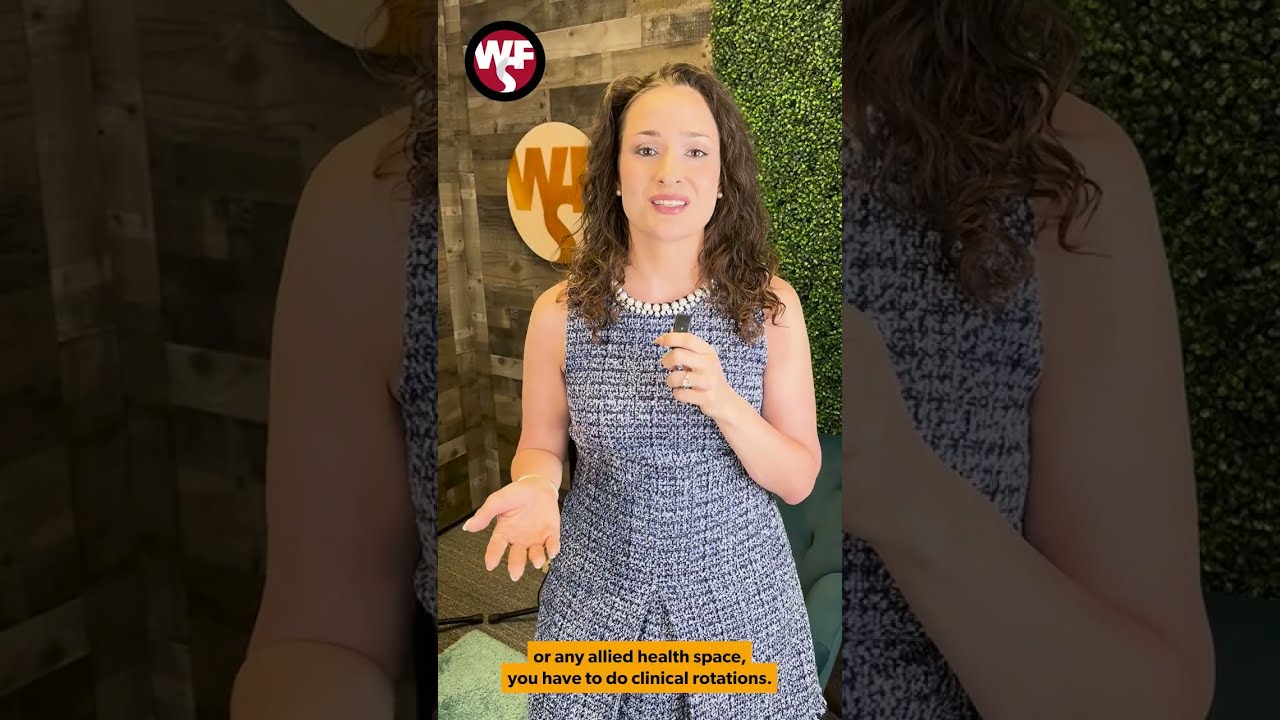
Beth Vaughn of St. David’s HealthCare shares how partnering with Workforce Solutions Capital Area is helping address one of healthcare’s most pressing national challenges: a shortage of qualified workers across critical roles.
Through collaborative efforts like the Central Texas Healthcare Partnership, Beth and other employers are strengthening clinical rotation access, improving student engagement, and increasing the number of local nursing graduates — from around 600 in 2019 to nearly 1,300 in 2024.
“Coming together has made the difference in creating a stable pipeline here in Austin.”
This is what happens when community, education, and industry align for long-term impact — and lead by example.
Workforce Solutions Rural Capital Area (which serves Hays county), Workforce Solutions Capital Area and Opportunity Austin announced the Workforce Industry Insights partnership, a joint initiative designed to amplify the strength of the Central Texas workforce ecosystem and support the region’s rapidly growing industries.
A new information partnership between Opportunity Austin and both Workforce Solutions Capital and Rural Capital Area will provide data insights into a variety of growing industries in the Austin metro area.
A new workforce development partnership is coming together to better connect urban and rural training and education programs.
Opportunity Austin is teaming up with Workforce Solutions Capital Area and Workforce Solutions Rural Capital Area to create the Workforce Industry Insights partnership that will generate research and insights on workforce trends and needs in Central Texas. The group will also develop white papers, case studies and data reports.
Workforce Solutions Capital Area is a nonprofit focused on Austin and Travis County, and Workforce Solutions Rural Capital Area covers nine counties — Llano, Burnet, Williamson, Lee, Fayette, Bastrop, Caldwell, Hays and Blanco — that surround Travis County.
Higher education costs, a booming population and aging workforce are all challenges identified by health care executives at the state and local level in a first-time health care forum held at Austin PBS in August.