Find a Job Now
Get support and connect with local employers.

Train for a New Career
Explore training for in-demand, stable careers.

Attend a Career Workshop
Build job-search skills through live workshops.

Attend Hiring Events
Meet employers hiring now.

Austin Infrastructure Academy
Careers in construction, transportation, and skilled trades.

Youth Services
Support for ages 14–24 to build skills, explore careers, and find work.

Veteran Services
Priority support and career services for veterans and their spouses.

Business Solutions
Hiring and training support tailored to your workforce goals.

Case Studies
See how local employers solve workforce challenges with us.

Host or Join Hiring Events
Connect directly with job seekers.

Major Events at a Glance
Explore upcoming workforce and industry events in the region.

Healthcare
Collaborating with industry leaders to grow the healthcare workforce.

Mobility & Infrastructure
Advancing talent pipelines for construction, transportation, and skilled trades.

Industry Reports & Insights
Labor market reports and insights to support workforce planning.

Labor Market Dashboard
Data on the regional labor force, employment, jobs, and wages.

Podcast
Conversations shaping Austin’s jobs, economy, and future.

For Parents
Access to affordable, high-quality child care and family support.

For Providers
Partnerships and resources to support quality child care programs.

Success Stories & Testimonials
Real stories from families and providers we support.

Category: Employers

  • What we heard at the 2026 State of Healthcare Workforce Forum

    What we heard at the 2026 State of Healthcare Workforce Forum

    Central Texas’ healthcare workforce continues to grow, but so does the challenge of preparing enough people to meet the region’s needs.

    At the second annual State of Healthcare Workforce Forum, Workforce Solutions Capital Area, Workforce Solutions Rural Capital Area, and St. David’s Foundation brought together healthcare employers, educators, workforce leaders, funders and community partners to take stock of the progress of the Central Texas Healthcare Partnership and focus on what comes next.

    From state policy and artificial intelligence to education capacity, career pathways and student supports, speakers returned throughout the morning to a common challenge: Central Texas has strong interest in healthcare careers and strategies that are already building the workforce. The opportunity now is to remove the barriers that keep those strategies from reaching more people.
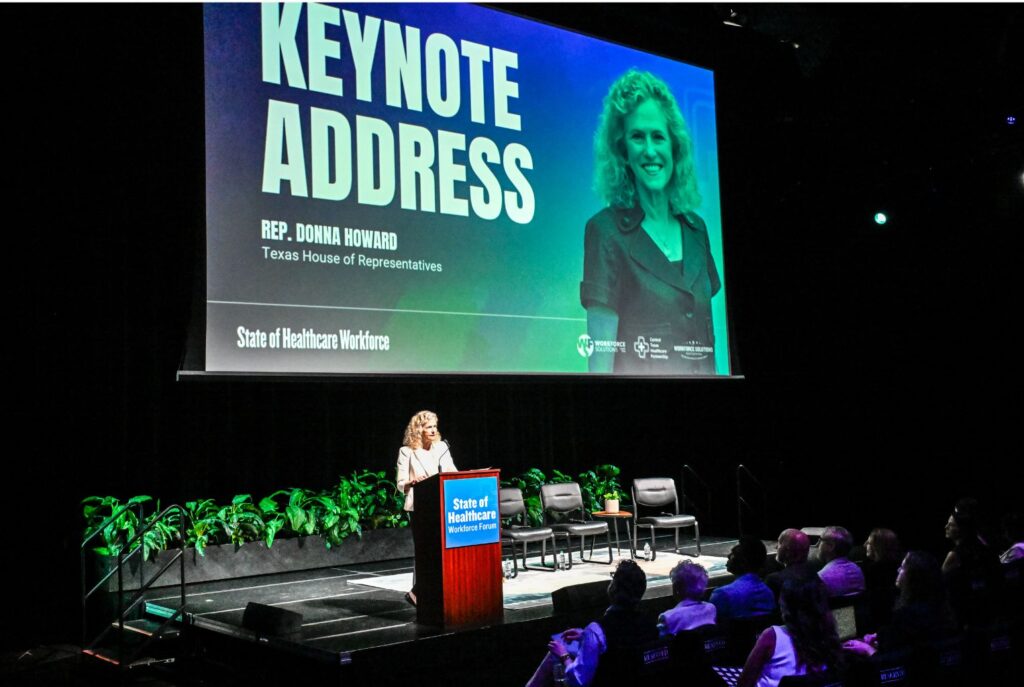
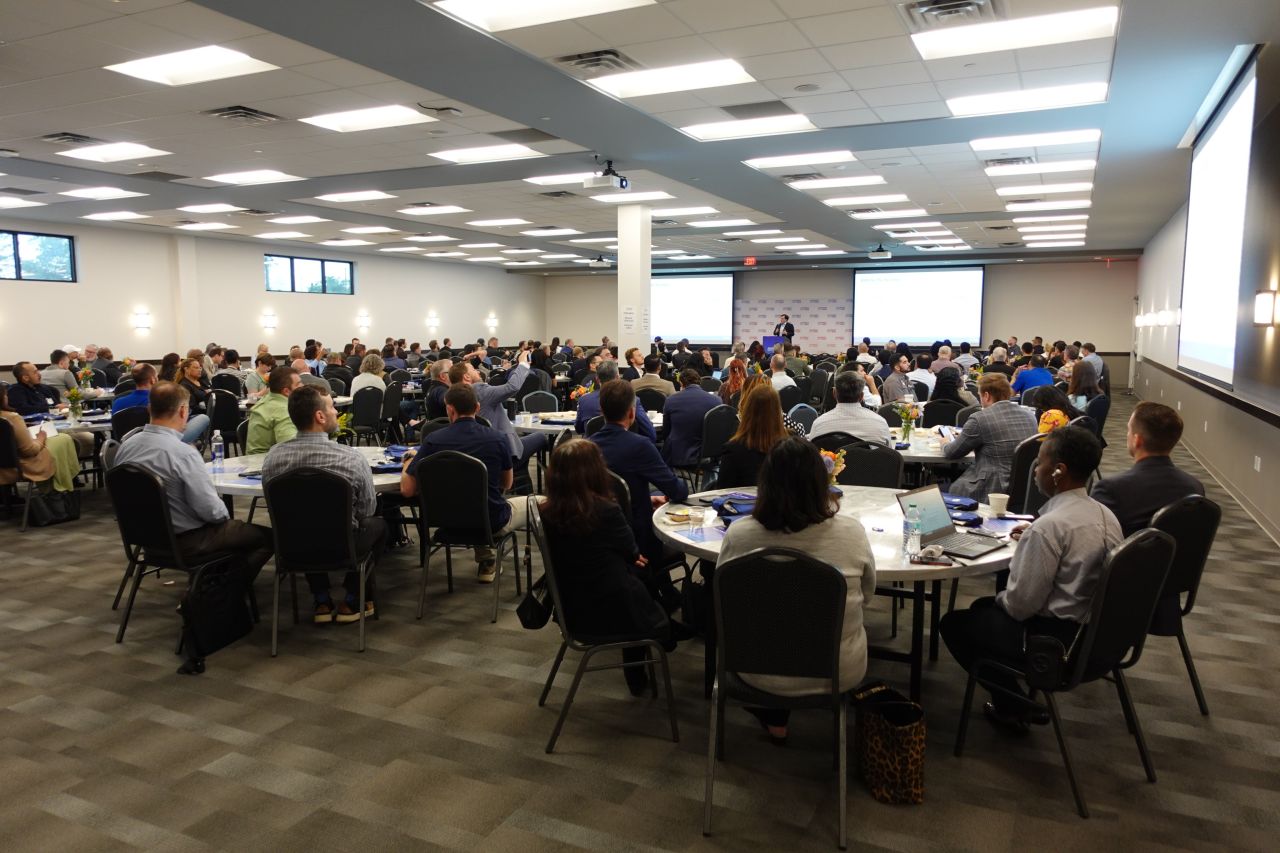
    Texas State Rep. Donna Howard delivers the keynote address at the 2026 State of Healthcare Workforce Forum.

    A workforce challenge decades in the making

    Texas State Rep. Donna Howard, a former critical care nurse, opened her keynote by reflecting on a healthcare workforce challenge she has been working on since shortly after joining the Legislature nearly 20 years ago.

    At the time, state projections were already warning that demand for nurses could outpace supply. While Texas has since invested in loan forgiveness, nursing education and other workforce strategies, Howard said the underlying challenge remains — and now extends well beyond nursing to other healthcare occupations.

    Recent legislative action has begun tackling some of the structural barriers behind that shortage. Howard highlighted new efforts to coordinate statewide healthcare workforce data, study regional systems for clinical placements, streamline nursing-school applications, support nurse preceptors and expand faculty loan repayment and nursing-education innovation grants.

    But she also emphasized that education and workforce systems need to connect more intentionally.

    Howard said she plans to continue pursuing policies that align high school and dual-credit healthcare programs with college requirements and industry-recognized credentials, helping students stack credentials instead of repeating coursework. She also called for stronger coordination between state agencies and local workforce boards.

    And she pointed to Central Texas as evidence of what that coordination can accomplish.

    Through efforts such as the Central Texas Healthcare Partnership, Howard said the region is demonstrating a model for addressing healthcare workforce shortages through collaboration among workforce organizations, employers and education partners.
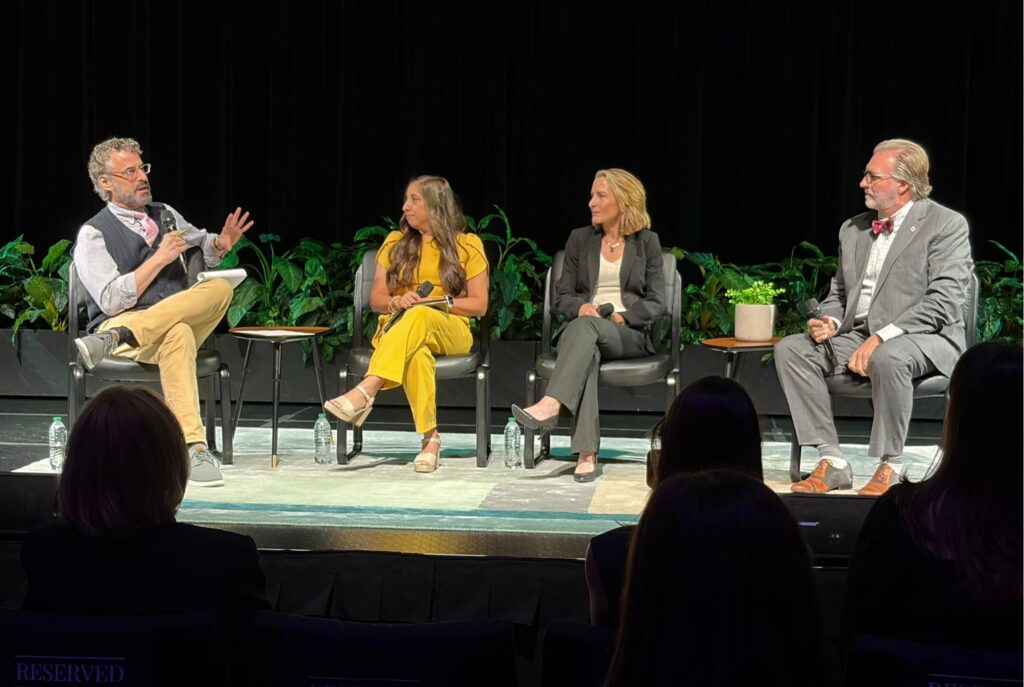
    Dr. Edward Burger of St. David’s Foundation moderates a panel with institutions building health talent pipelines for Central Texas, including Dr. Julie Lessiter of Texas State University Round Rock, Dr. Russell Lowery-Hart of Austin Community College, and Alyssia Palacios-Woods of Capital IDEA.

    Interest is strong. Capacity has to catch up.

    The conversations that followed reinforced that Central Texas does not have a shortage of people interested in healthcare careers.

    Austin Community College has approximately 9,000 students on pre-health science pathways competing for about 1,100 available program slots. Texas State University Round Rock reported approximately 600 nursing applicants for 150 slots.

    The constraint is often what happens in between — particularly clinical placements, simulation space, faculty capacity and the cost of operating healthcare programs.

    ACC Chancellor Dr. Russell Lowery-Hart said the college could potentially double healthcare-training capacity with sufficient clinical availability. Texas State Round Rock Vice President Dr. Julie Lessiter similarly pointed to simulation labs and clinical rotations as major constraints on expanding nursing enrollment.

    That same challenge surfaced in the regional workforce outlook. Workforce Solutions leaders noted that healthcare employment has grown 28% since 2019, with another 14,000 new jobs projected by 2031 before accounting for turnover. Roughly 1,800 RN and LVN openings are projected each year, while employers also need large numbers of medical assistants, nursing assistants and other entry-level workers.

    The region has already made progress: collaboration among employers, educators and workforce partners has helped more than double the number of nursing graduates over the past five years.
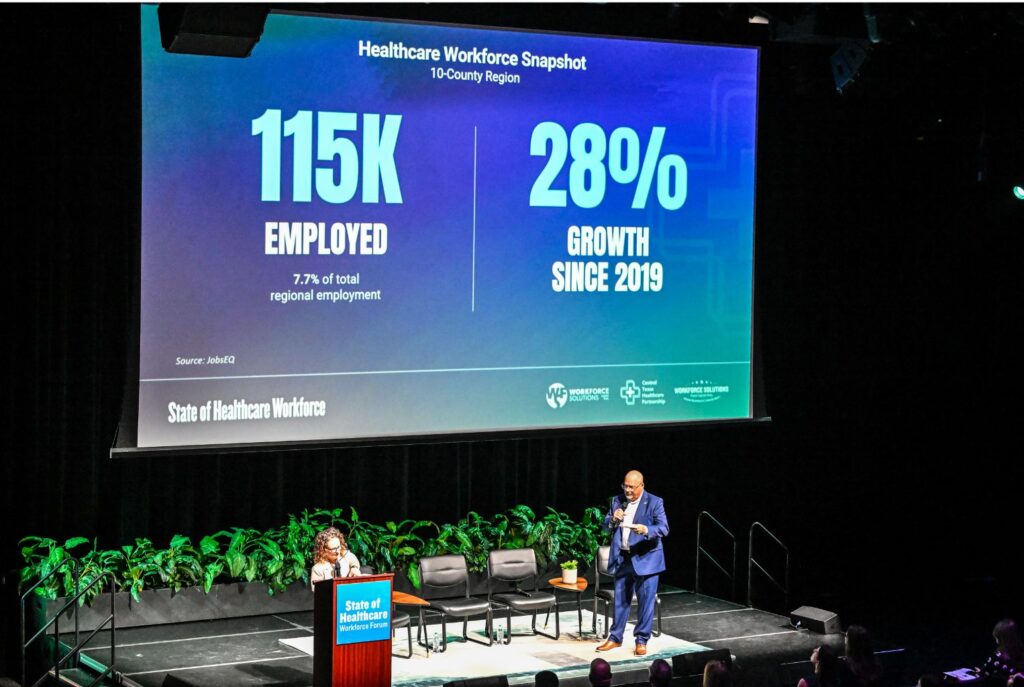
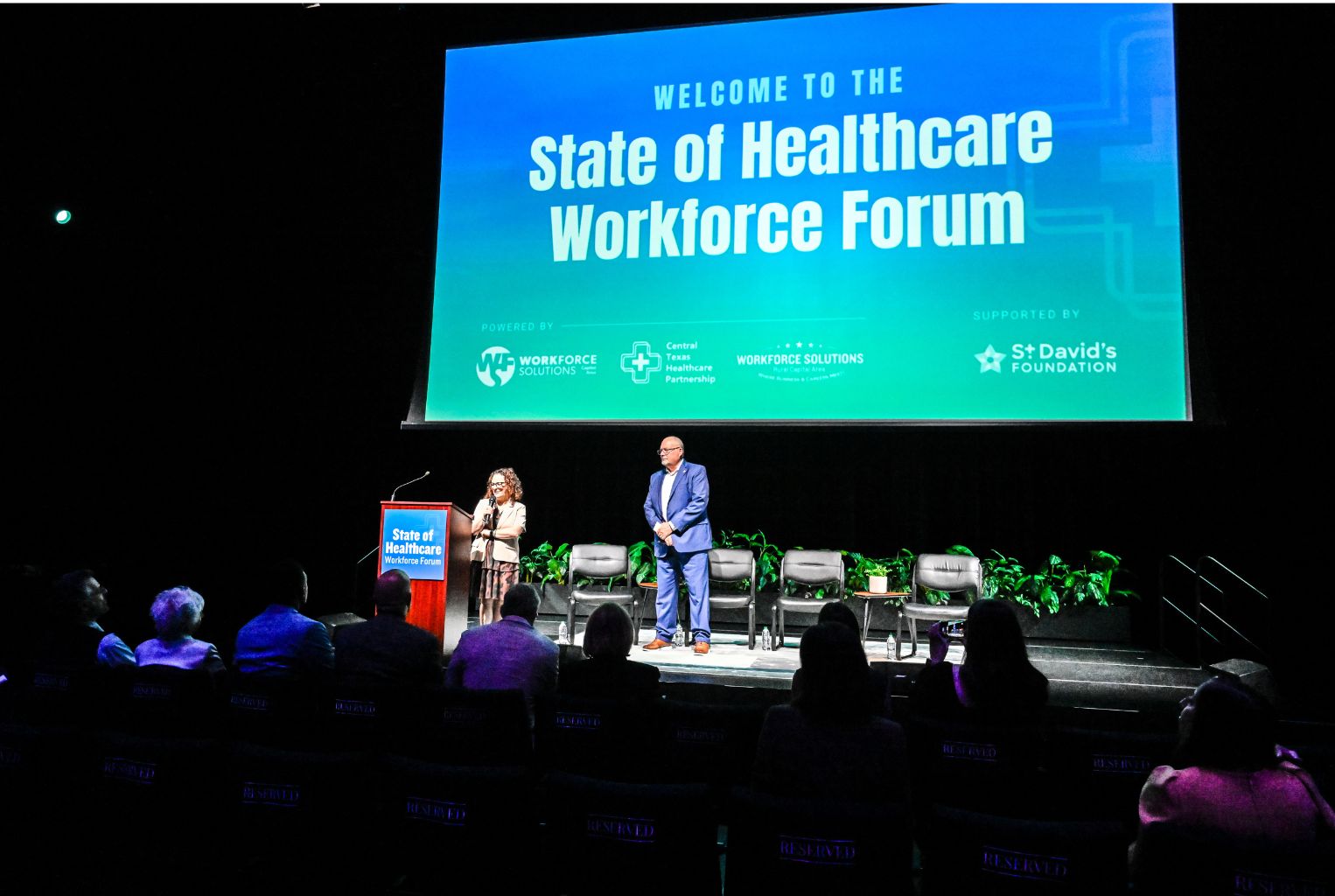
    Workforce Solutions Capital Area CEO Yael Lawson and Workforce Solutions Rural Capital Area CEO Paul Fletcher deliver opening remarks at the 2026 State of Healthcare Workforce Forum.

    Supporting the student means supporting the workforce

    Another takeaway from the forum was that tuition alone does not determine whether someone completes healthcare training.

    Working adults and first-generation students may be balancing housing costs, transportation, child care, food insecurity and lost wages while completing coursework and required clinical hours.

    The impact of addressing those barriers is measurable. ACC reported that students receiving child care scholarships have an 81% persistence rate, compared with approximately 60% overall. Students using the college’s food pantry also persist at rates above the college average.

    Capital IDEA Executive Director Alyssia Palacios-Woods, CFRE shared a similar whole-person approach. The organization currently supports approximately 1,000 students through tuition, fees, books, wraparound assistance and career navigation, with 85% pursuing healthcare careers.

    These examples reinforce that transportation, child care, emergency assistance and career navigation are not separate from workforce development. They can determine whether an interested student ultimately becomes a qualified healthcare professional.

    Creating more ways into — and through — healthcare careers

    The forum also highlighted the importance of building career pathways that do not depend on a single entry point.

    Healthcare apprenticeships have expanded earn-and-learn options beyond traditional skilled trades. Workforce Solutions leaders highlighted the region’s certified medical assistant apprenticeship as an especially popular model that has created jobs while allowing people to earn wages during training.

    Regional partners are also working to create clearer pathways from entry-level healthcare occupations into higher-wage careers through stackable credentials and credit for prior learning.

    And those pathways are starting earlier.

    The Central Texas Healthcare Academy, developed by the Central Texas Healthcare Partnership, is designed so students can begin healthcare training while still in high school. Students will complete their pre-requisites and co-requisites for pathways including nursing, surgical tech, radiology tech, and health information technology.
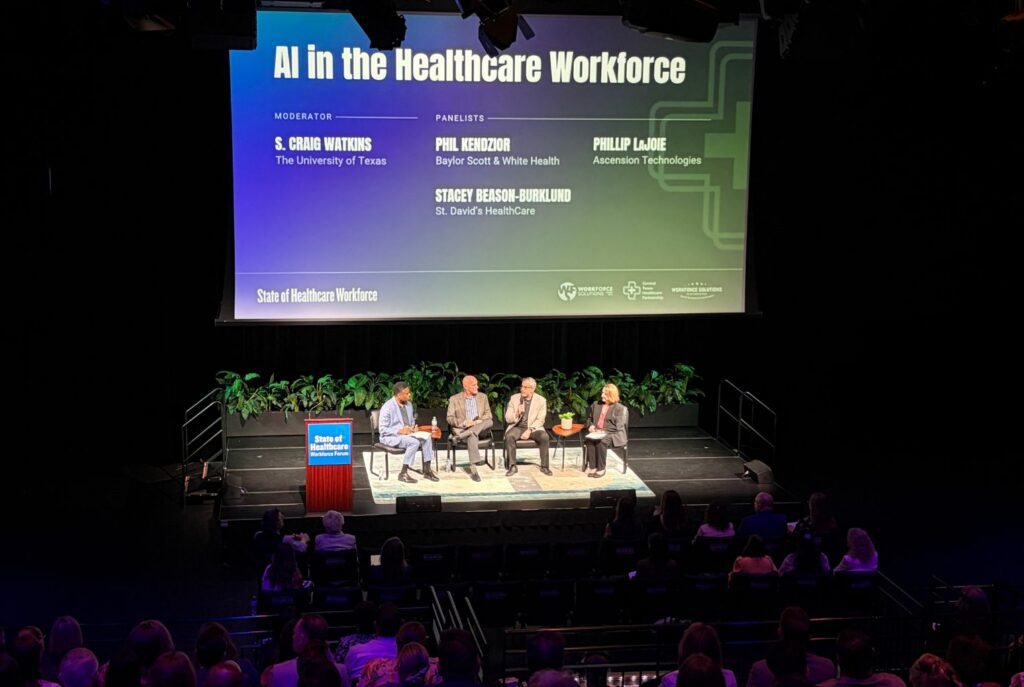
    S. Craig Watkins of the The University of Texas at Austin moderates a panel on AI in the healthcare workforce, featuring Stacey Beason-Burklund of St. David’s HealthCare, Phil Kendzior of Baylor Scott & White Health, and Phillip LaJoie of Ascension Technologies.

    AI may change the work, without removing the human

    The forum also looked ahead to how artificial intelligence could reshape healthcare work.

    Panelists described AI tools already helping clinicians draft documentation, screen job applicants and manage administrative work. The common thread was less about replacing healthcare professionals and more about giving clinicians time back for patients, teams and higher-value work.

    That transition will require new skills. Panelists emphasized AI literacy, understanding when to trust or verify a tool’s output, change management and strong human oversight. They also stressed that governance, privacy and transparency will be essential as AI becomes more integrated into healthcare settings.

    The goal, as the panel described it, is augmentation rather than replacement: using technology to support clinical expertise, improve patient experience and help healthcare professionals spend more time doing the work that brought them into the field.

    Proof that rural investment can work

    Bastrop County Public Health Department Executive Director Donna Nichols offered a clear example of what these ideas look like in practice, particularly in rural communities.

    Through the Create a Job, Save a Job initiative, funded by St. David’s Foundation, 170 Bastrop County residents enrolled in healthcare training during the program’s first year. 102 graduated and 77 secured employment, including EMTs, CNAs, phlebotomists, mental health counselors, RNs and LVNs — many in Bastrop County itself.

    The program paired approximately $340,000 in tuition assistance with support for transportation, equipment, housing and other barriers. Its case-management approach was also identified as a key part of helping participants stay on track.

    The example shows what can happen when identifying workforce demand is followed by building pathways and helping people successfully move through them.

    The opportunity: scale what works

    The forum did not point to one solution for Central Texas’ healthcare workforce challenge. It pointed to many: more clinical placements, expanded simulation capacity, apprenticeships, stronger K–12 pathways, stackable credentials, student supports, employer engagement and better coordination across institutions.

    What connects those strategies is partnership.

    As the forum closed, Workforce Solutions leaders emphasized that some of the region’s strongest progress has come from bringing employers that normally compete for talent to the same table with educators, community organizations and workforce partners to solve shared problems.

    The Central Texas Healthcare Partnership is one way the region is putting that collaborative approach into practice.

    The opportunity now is to take what is working and build it to scale — creating a stronger, more connected healthcare workforce system that can keep pace with the needs of a growing region.

    Go deeper into the data

    Two recently released resources provide additional context behind many of the workforce trends discussed at the forum.

    Central Texas Healthcare Workforce Needs and Education Pipeline Study: A comprehensive look at healthcare workforce demand, employer needs, education capacity and county-level opportunities across the 10-county Central Texas region.

    Texas Talent Experts: Healthcare Industry Snapshot: A quick-read look at six priority healthcare occupations, career pathways and examples of regional workforce collaboration.
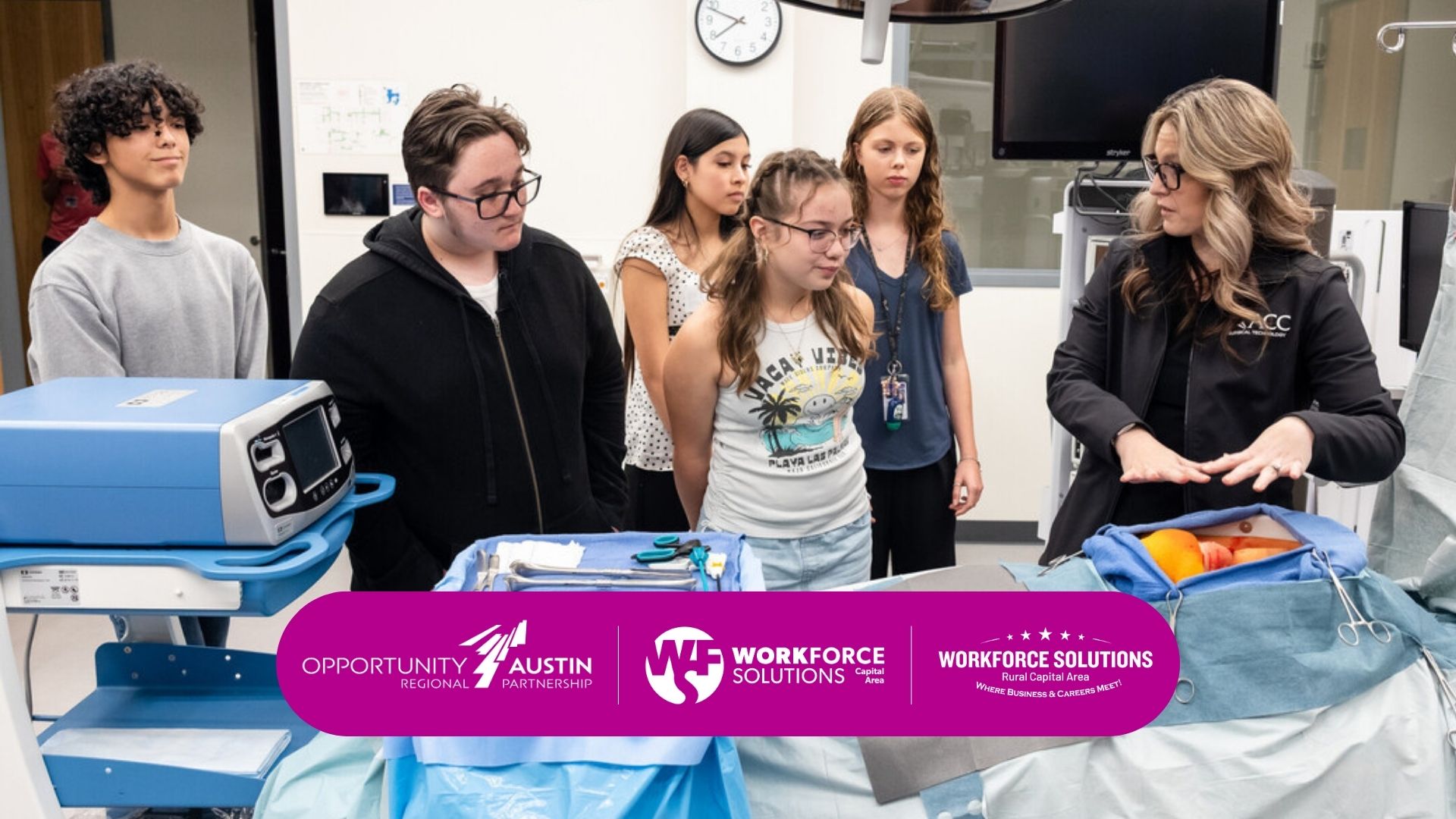
  • Aug 2026 Healthcare Snapshot, Austin Metro + Surrounding Counties

    Aug 2026 Healthcare Snapshot, Austin Metro + Surrounding Counties

    Healthcare remains one of Central Texas’ most in-demand industries, creating career opportunities across a range of occupations, education levels and wages. Meeting continued employer demand will require strong career pathways and coordination across healthcare employers, educators and workforce partners.

    Key findings from the report include:

    • More than 4,200 annual openings are projected through 2031 across six priority healthcare occupations
    • Registered nurses lead projected demand with nearly 1,500 annual openings, while nursing assistants follow with nearly 1,200
    • Many high-demand healthcare careers require a certificate or associate degree, with median annual wages across the six priority occupations ranging from approximately $38,000 to $94,000
    • Regional employers report hiring needs beyond published labor market estimates, reinforcing the need for continued collaboration to strengthen the healthcare talent pipeline

    Our newest Texas Talent Experts white paper—developed in partnership with Opportunity Austin and Workforce Solutions Rural Capital Area—explores healthcare workforce trends, in-demand career pathways and regional efforts to prepare the next generation of healthcare talent.

    Highlights include the Central Texas Healthcare Academy, developed by the Central Texas Healthcare Partnership convened by Workforce Solutions Capital Area, along with other investments in hands-on career exploration and healthcare training across the region.

    Read the white paper and learn how Central Texas is building the workforce needed to support a growing economy.

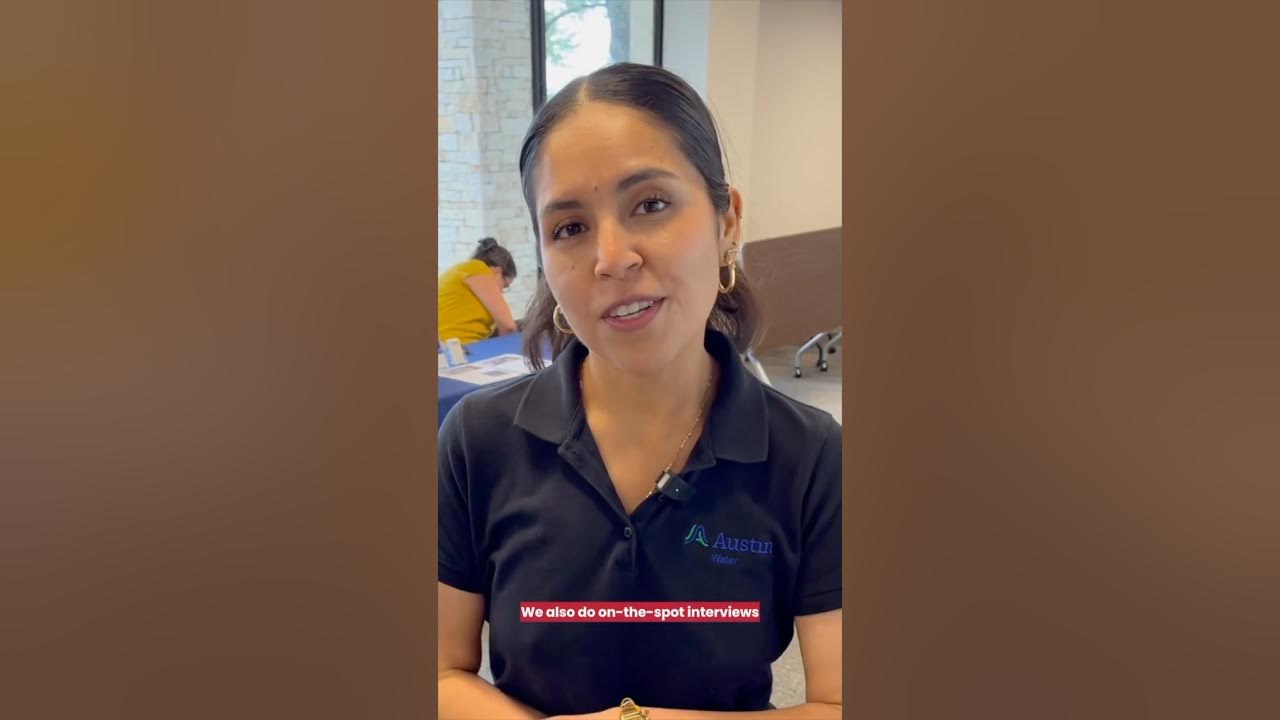
  • “Candidates That Fit What We’re Looking For” | Austin Water

    “Candidates That Fit What We’re Looking For” | Austin Water

    From connecting with qualified candidates to staying engaged with industry partners, Austin Water has found value in its partnership with Workforce Solutions Capital Area.

    Human Resources Specialist Lesli Martinez shares how hiring events, on-the-spot interviews and Mobility & Infrastructure sector workgroups help Austin Water recruit for critical positions, connect with experienced talent and stay informed about workforce programs and opportunities.

    See the Austin Infrastructure Academy’s latest impact reports.

  • Austin Infrastructure Academy Quarterly Impact Report (August 2026)

    Austin Infrastructure Academy Quarterly Impact Report (August 2026)

    Expanding Infrastructure Career Pathways

    Aligning capital project workforce needs with Austin’s talent pipeline 

    This quarter, the Austin Infrastructure Academy  continued its focus on building sustainable, demand-aligned career pathways that connect Austinites to opportunities created through major capital projects across Austin. By convening employers, education partners, workforce organizations, and community partners, the Academy is helping align future workforce needs with the training, outreach, and support systems needed to prepare local talent for careers in transportation, construction, and other skilled trades. 

    Through intentional collaboration across the workforce ecosystem, the Academy is working to ensure Austin residents—including high school graduates, career changers, and other local job seekers—have access to clear pathways, the right resources, and the skills needed to launch successful careers, while employers have a stronger pipeline of prepared talent to support future projects. 


    What is the Austin Infrastructure Academy?

    The Austin Infrastructure Academy is a local coalition of partners in government, education, business, and the community working together to grow Austin’s workforce in transportation, construction, and other skilled trades. 

    We connect local people to training and careers that power Austin’s growth—removing barriers so they can make a living, making Austin. 

    What we do: 

    • Help employers find the workers they need​ 
    • Support people in building long-term careers​ 
    • Remove barriers including training costs, childcare, transportation, and gear​ 

    Quarterly Impact by the Numbers

    Workforce Solutions Capital Area outcomes only

    Year 2, Quarter 1
    April 2026 – June 2026 
    Total
    March 2025 – June 2026 
    Residents Connected to Career Opportunities 2951,856
    Participants Enrolled in the Austin Infrastructure Academy1 5721,654
    Training Scholarships Awarded 43210
    Residents Employed or Advancing Their Careers2 36142

    1 Enrolled participants have been accepted into the Austin Infrastructure Academy and receive individualized career navigation, with access to training, supportive services, and job placement assistance based on their needs.
    2 Unemployment Insurance (UI) data typically reflects a two-quarter reporting delay​ 


    1. Austin Infrastructure Academy Earns Statewide Economic Development Recognition

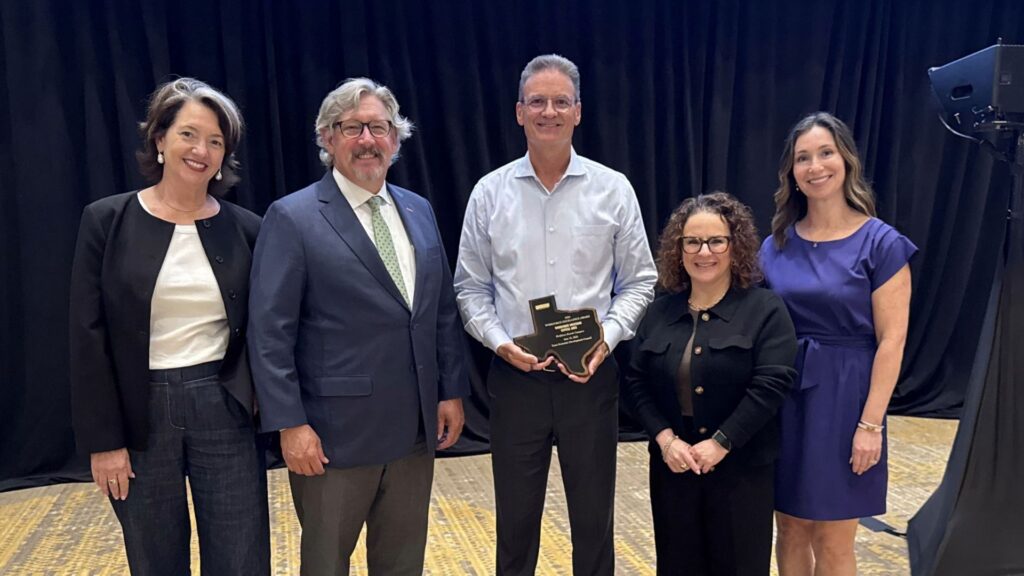
    The Austin Infrastructure Academy has been named the recipient of the 2026 Workforce Excellence Award from the Texas Economic Development Council (TEDC). Since 2001, the award has recognized Texas communities that have implemented exceptional workforce initiatives, evaluating recipients on innovation, transferability, community commitment and leverage, measurable objectives, and secondary benefits. 

    The recognition reflects the Academy’s success as a regional partnership that strengthens both the workforce and the economy by preparing local residents for careers supporting Central Texas’ historic infrastructure investments. 


    2. Connecting Talent to Opportunity

    May 2026 Austin Infrastructure Academy Career Expo Outcomes

    Job seekers attended204
    Additional job seekers registered with interest246
    Employers24
    Training providers8

    At the May Expo, Tirone shared his experience returning to the workforce after being laid off from a manufacturing technician position. He credited Workforce Solutions staff with helping him navigate technology barriers and his job search.

    Since filming the story, Tirone has found new employment.


    Partner With the Austin Infrastructure Academy

    • Meet Career-Ready Talent: Join us at our next career expo.
    • Share Workforce Needs: Help shape future training programs by sharing current and future hiring demand.
    • Post Open Positions: Connect with local job seekers through WorkInTexas.com.

    Stories of Progress

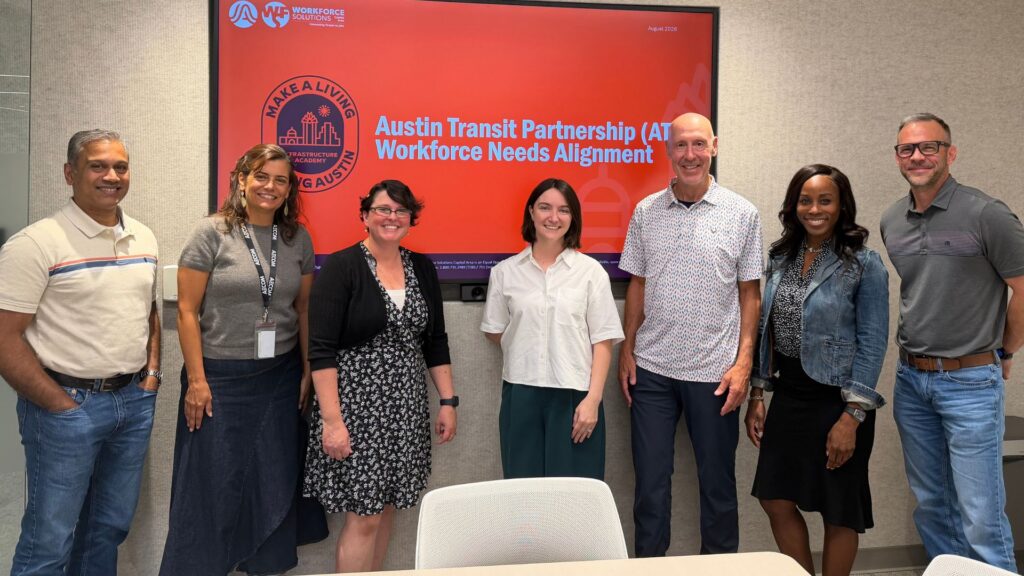
    Austin Infrastructure Academy convening Austin Transit Partnership, Stacy Witbeck, AECOM, Kiewit, and Sundt to prep for building the local talent pipeline to support the Austin Light Rail project.

    1. Aligning Workforce Needs with Capital Projects

    The Austin Infrastructure Academy has launched workforce alignment meetings with major Capital Project partners, including Austin-Bergstrom International Airport, Austin Light Rail, the Austin Convention Center (and more to come!), to better understand future workforce demand and identify entry-level career opportunities connected to these investments. 

    These conversations help forecast hiring needs, align training and talent pipelines, and ensure capital investments create meaningful pathways into mobility and infrastructure careers for Austin residents. 

    Help us build your future workforce. Connect with our team to share your hiring forecasts so we can recruit, train, and prepare local talent before your projects begin. 


    Strong career pathways begin long before students enter the workforce. This quarter, the Austin Infrastructure Academy expanded its support for educators and community partners by launching the K-12 Partner Toolkit

    The toolkit provides teachers, CTE directors, counselors, and community partners with ready-to-use resources—including access to Hype Kits, classroom presentations, career events, employer engagement opportunities, and career exploration materials—to help students discover careers in transportation, construction, and other skilled trades. 

    By equipping partners with these tools, we’re expanding access to career awareness and strengthening the pipeline of future mobility and infrastructure talent. 

    Student using our VR headset and monitor. Snapshot of simulations aligned with in-demand Mobility & Infrastructure careers: Automotive Services Technician, Electrician, Carpenter, Construction Laborer, HVAC Technician, Plumber, Pipefitter, and Steamfitter, and more!


    Looking Ahead

    1. Preparing for the future Academy front door

    Austin Community College & Workforce Solutions Capital Area Service Alignment

    The Austin Infrastructure Academy is convening Austin Community College and Workforce Solutions Capital Area Career Services staff to align services and create a seamless experience for students and career seekers. Together, partners are mapping programs, support services, referral processes, and organizational strengths to design a coordinated “front door” that makes it easier for individuals to access career coaching, training, supportive services, and employment opportunities. 

    This foundational work will help ensure future Academy participants experience a streamlined pathway from career exploration to training and employment while maximizing the strengths of each partner organization.  


    2. Helping Employers Meet Austin’s Water Reuse Requirements

    Austin’s 2024 onsite water reuse ordinance creates new operational requirements for large commercial and multifamily developments. To help employers prepare, Austin Water is leading the development of workforce training in partnership with Austin Community College, while the Austin Infrastructure Academy has provided framework to convene partners, impacted stakeholders, and employers to support implementation efforts.

    Through this collaboration, employers can learn about the new requirements, available training opportunities, and potential funding resources to upskill existing workers, including facility managers, plumbers, and other building and water systems professionals. The initiative aims to help businesses successfully implement onsite water reuse systems while strengthening Austin’s water workforce. Training is anticipated to launch in fall 2026.

  • Solving Healthcare Shortages: Certified Medical Assistant Apprenticeships

    Solving Healthcare Shortages: Certified Medical Assistant Apprenticeships

    The Central Texas Healthcare Partnership is solving local healthcare shortages by utilizing earn and learn opportunities such as apprenticeships. One occupational shortage that our industry leaders identified was Certified Medial Assistant (CMA).

    Download the case study (PDF).

    Just a few years ago, the shortage of CMAs was substantial in the Austin metro area. Employers reported having over 50 job openings at any given time. This shortage was compounded by the fact that local training providers were not graduating enough students to fill the occupation shortage. This led to employers competing over candidates and shortages for all regional healthcare providers.

    In 2019, the Central Texas Healthcare Partnership partnered with Austin Community College and Innovative Workforce Projects to create national accredited Certified Medical Assistant registered the apprenticeships with the Department of Labor, and started offering apprenticeships to local residents.

    • Hire individuals with no prior healthcare experience and provide paid on-the-job training as Certified Medical Assistants.
    • Upskill current employees who were ready to advance their careers and add additional certification and responsibilities to retain current staff.
    • Add additional CMAs to our community to decrease shortages and reduce job openings.

    Based on employer input and request for a Medical Assistant talent pipeline, we began leveraging our partnerships with Austin Community College and Innovative Workforce Projects that were vital to the success of the apprenticeships.

    Once we built the apprenticeship framework with our partners, we introduced local employers to the benefits of the apprenticeship model for this non-traditional industry. Four employers signed on to implement the CMA Apprenticeship program: Ascension Seton, Austin Region Clinic, Baylor Scott & White Health, and CommUnityCare.

    Workforce Solutions Capital Area also secured and leveraged multiple grants awarded to us by the Texas Workforce Commission that were imperative to fund and grow these apprenticeship programs.

    The healthcare industry has enrolled and hired 334 healthcare apprentices as Medical Assistants from September 2019 through December 2024. Enrollment for the CMA apprenticeship has grown significantly, with the largest increase occurring in 2022, when participation surged by 311% compared to the previous year.

    Our healthcare providers have hired on average five CMA apprentices per month for the past five years thanks to this new recruitment and training strategy.

    “The apprenticeship allows for clinics to support and develop community members into Certified Medical Assistants, thus improving the employment pathway and the pipeline from underserved populations into the Ascension network. The apprenticeship is helping stabilize the CMA workforce and is producing associates functioning at Ascension Gold Standards which are now highly sought by managers across Ascension clinics.”

    Yesenia Renzi, RN Program Coordinator Ascension Seton

    Workforce Solutions Capital Area and our Central Texas Healthcare Partnership continues to support the growth of healthcare apprenticeships to fill the workforce needs in this critical industry.

    Grow your business through talent: Workforce Solutions is uniquely positioned to help employers of all industries directly connect with local job seekers and talent. We’re collaborative and can tailor services based on your company’s needs. Get started.

  • “I Was Able to Hire a Position On the Spot Today” | Austin Housing Authority at Healthcare Job Fair

    “I Was Able to Hire a Position On the Spot Today” | Austin Housing Authority at Healthcare Job Fair

    Frank Garcia with the City of Austin Housing Authority attended the latest Healthcare Job Fair hosted by Workforce Solutions Capital Area and hired a maintenance technician on the spot.

    In this testimonial, Frank shares how he met many people with great skill sets and hired a job seeker on the spot.

    “I’m excited to continue this partnership.”

    Learn more about how we connect local people to local jobs.

  • June 2026 Mobility + Infrastructure Snapshot, Austin Metro + Surrounding Counties

    June 2026 Mobility + Infrastructure Snapshot, Austin Metro + Surrounding Counties

    From major transportation projects to airport redevelopment and data center expansion, Central Texas is investing in the infrastructure needed to support a growing region. Meeting that demand will require a strong pipeline of skilled workers across construction, transportation, and the trades.

    Key findings from the report include:

    • Major infrastructure projects across the region require an estimated 10,000 skilled workers annually
    • Current training capacity meets only about 60% of workforce demand
    • More than 13,600 job postings in mobility and infrastructure occupations were recorded in 2025, with over 2,300 employers competing for talent
    • Texas ranks second nationally for proposed data centers, with 24 active facilities and more planned

    Our newest Texas Talent Experts white paper—developed in partnership with Opportunity Austin and Workforce Solutions Rural Capital Area—explores workforce trends, employer demand, and the strategies helping Central Texas build the talent needed to deliver critical infrastructure projects.

    Read the white paper and learn how Central Texas is building the workforce needed to support a growing economy.

  • “A Continuous Resource” | Southwest Airlines on Partnering with Workforce Solutions

    “A Continuous Resource” | Southwest Airlines on Partnering with Workforce Solutions

    Southwest Airlines shares how Workforce Solutions Capital Area has become more than a hiring partner — but a continuous resource for recruiting, workforce events, and community connection.

    In this employer testimonial, Southwest reflects on how the partnership has evolved over time through ongoing collaboration, candidate support, hiring events, and a deeper understanding of the company’s workforce needs.

    From providing interview space near the airport to helping connect qualified candidates with career opportunities, Workforce Solutions continues to support employers through relationship-driven workforce solutions.

    “It’s not just a one and done.”

    In this story:

    • Employer hiring support
    • Workforce partnerships
    • Candidate recruitment
    • Community hiring events
    • Aviation and airport careers
    • Long-term workforce collaboration

    Thank you to Southwest Airlines for sharing their partnership story.

  • Austin Infrastructure Academy Workforce Impact Report (Year One)

    Austin Infrastructure Academy Workforce Impact Report (Year One)

    Since launching in March 2025, the Austin Infrastructure Academy has brought together employers, educators, community organizations, and workforce partners to strengthen Austin’s skilled trades talent pipeline. 

    Together, we’re helping local job seekers access training and career opportunities while supporting the workforce needs of Austin’s growing infrastructure and mobility industries.  

    We are committed to mindful growth, continuously aligning with employer partner needs to ensure that training leads directly to meaningful jobs. Strong employer partnerships are critical to this work—grounded in shared workforce forecasts, training informed by employer needs, clear entry-level career pathways, and a commitment to hire locally. 


    The Austin Infrastructure Academy is a local coalition of partners in government, education, business, and the community working together to grow Austin’s workforce in transportation, construction, and other skilled trades. 

    We connect local people to training and careers that power Austin’s growth—removing barriers so they can make a living, making Austin. 

    What we do: 

    • Help employers find the workers they need​ 
    • Support people in building long-term careers​ 
    • Remove barriers including training costs, childcare, transportation, and gear​ 

    March 2025 – March 2026; Workforce Solutions Capital Area outcomes only

    icon connection

    Residents Connected to Career Opportunities

    Participants Enrolled in the Austin Infrastructure Academy1

    icon apprentice

    Training Scholarships Awarded

    icon handshake

    Residents Employed or Advancing Their Careers2

    icon data

    Average Increase in Annual Earnings3

    1 Enrolled participants have been accepted into the Austin Infrastructure Academy and receive individualized career navigation, with access to training, supportive services, and job placement assistance based on their needs.
    2 Unemployment Insurance (UI) data typically reflects a two-quarter reporting delay​ 
    3 Median Current Salary: $41,600


    Training programs supported through the Austin Infrastructure Academy are aligned with current employer demand across Austin’s mobility and infrastructure industries. Below is a snapshot of the entry-level training pipeline developed to meet those needs.

    March 2025 – March 2026; Workforce Solutions Capital Area outcomes only

    Target OccupationGraduates Trained
    Heavy and Tractor-Trailer Truck Drivers41
    Electricians40
    Heating, Air Conditioning, and Refrigeration Mechanics and Installers21
    Carpenters / General Construction6
    Plumbers, Pipefitters, and Steamfitters2

    Through a partnership with Texas Mutual, Freestyle Languages, Austin Safety Council, and Austin Chapter of the Associated General Contractors, we launched a grant-funded Spanish and English language course designed to improve communication across job sites. 

    A total of 61 participants took part in the program, helping strengthen workplace safety, teamwork, and career growth opportunities. 

    Why this matters: 

    • Safety‑critical work depends on clear, trusted communication across crews 
    • Language gaps surface as job site risk, not just training gaps 
    • Workforce readiness includes the ability to raise concerns before incidents occur 

    Results include: 

    • Spanish-language learners achieved a 74% attendance rate, up from 40% in a previous session.  
    • 80% of Spanish-language participants advanced in the program 
    • English-language learners reported improved confidence communicating on job sites 

    The following employers represent a snapshot of the 140+ partners collaborating with the Austin Infrastructure Academy to strengthen the local talent pipeline across construction, mobility, utilities, transportation, and skilled trades. 

    • City of Austin (Austin Water, Austin Energy, Austin-Bergstrom International Airport, etc.) 
    • Travis County (Facilities and Natural Resources and Transportation) 
    • AECOM 
    • Airco Mechanical 
    • All Ways Restoration 
    • Austin ISD 
    • Austin Transit Partnership 
    • Balfour Beatty 
    • CAM Industrial Solutions 
    • CapMetro 
    • Cat5 Construction Services 
    • Centex Materials 
    • Civil & Environmental Consultants 
    • Facility Solutions Group 
    • First Class Transportation 
    • Greystar 
    • Halff 
    • HDR Engineering
    • JE Dunn Construction 
    • Kiewit 
    • Lower Colorado River Authority (LCRA) 
    • LiUNA (Southwest Laborers District Council) 
    • Lyft 
    • Marek Bros 
    • Republic Services 
    • Rosendin Electric 
    • RPM Living 
    • Southwest Airlines 
    • Stacy Witbeck 
    • Sundt Construction 
    • Texas Materials 
    • Turner Construction 
    • TxDOT 
    • University of Texas at Austin 
    • and more!

    The Austin Infrastructure Academy directly engages with subcontractors, general contractors, and project sponsors to stay connected to workforce needs across the region. 

    By participating in industry events and conversations, we’re able to better understand hiring trends, strengthen partnerships, and connect local residents to career opportunities. 

    Recent partner engagements include: 

    • AISD Economic Opportunity Office  
    • Runway to Opportunities: Journey With AUS Subcontractor Forum  
    • Austin Chamber Infrastructure Summit 

    Photo: Runway to Opportunities at AUS


    • Meet Career-Ready Talent: Join us at the Austin Infrastructure Academy Expo on May 27. 
    • Share Workforce Needs: Help shape future training programs by sharing current and future hiring demand.
    • Post Open Positions: Connect with local job seekers through WorkInTexas.com.

    More than 30 training provider representatives and frontline career staff came together for a collaborative learning exchange focused on infrastructure and skilled trades career pathways. 

    Participants shared referral strategies, training opportunities, and insights into employer needs — helping improve how job seekers are connected to careers and support services.


    Building a strong workforce starts early by helping students explore real-world career opportunities through hands-on learning and industry exposure.  

    Through intentional partnerships with schools, educators, and industry leaders,  we’re helping students better understand careers in transportation, construction, and other skilled trades while connecting classrooms to future opportunities..  

    Recent K–12 engagement efforts included: 

    • Metroplex Career Rally: 98 students from Austin ISD, Del Valle ISD, Pflugerville ISD, and American Youthworks visited Plumbers & Pipefitters Local 286’s union hall on March 12 to explore skilled trades careers firsthand. 
    • Austin Contractors & Engineers Association Construction Expo: 151 students participated in hands-on activities and explored career opportunities in the construction industry on March 27. 
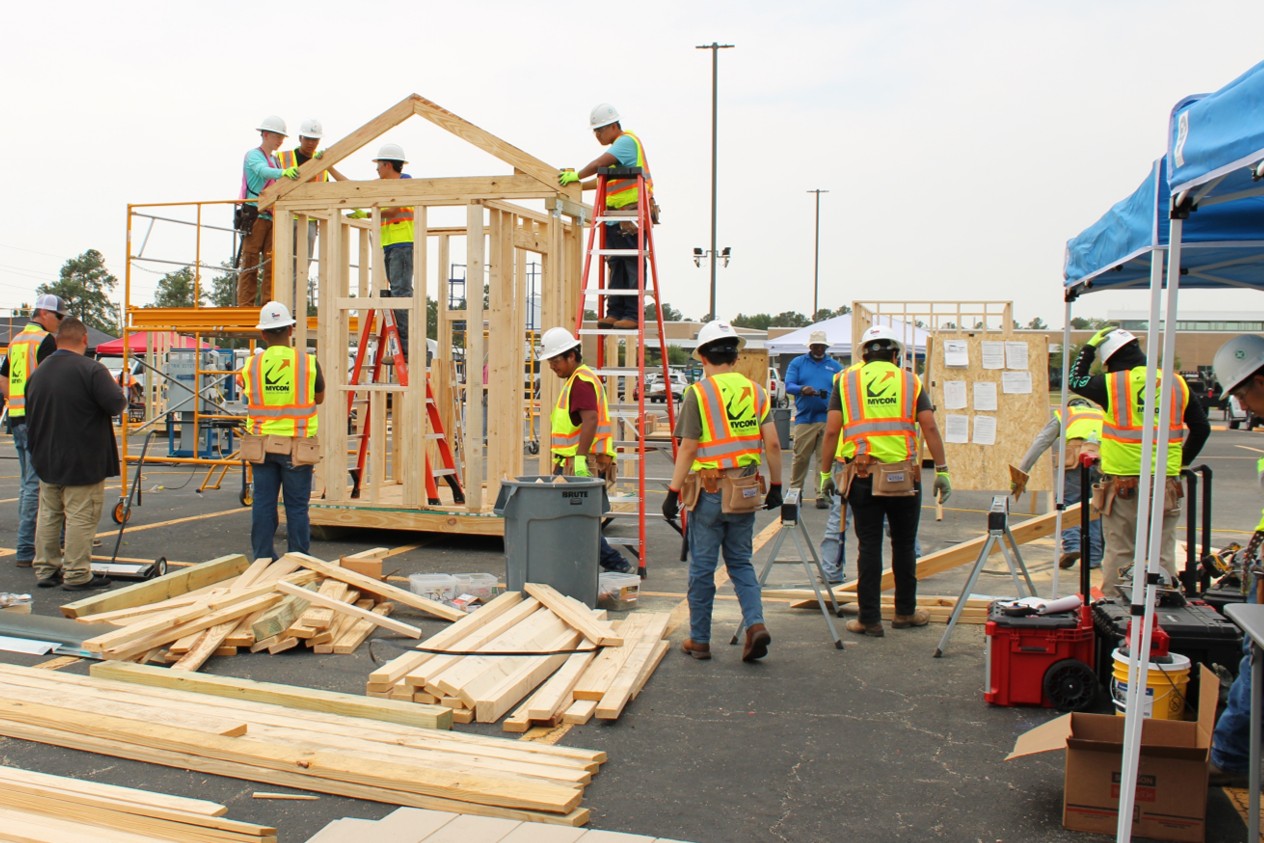
    • Construction Industry Education Foundation (CIEF) Design Build Competition: 100 high school students across seven teams designed and built structures under the guidance of industry professionals during the April 8–9 competition. 

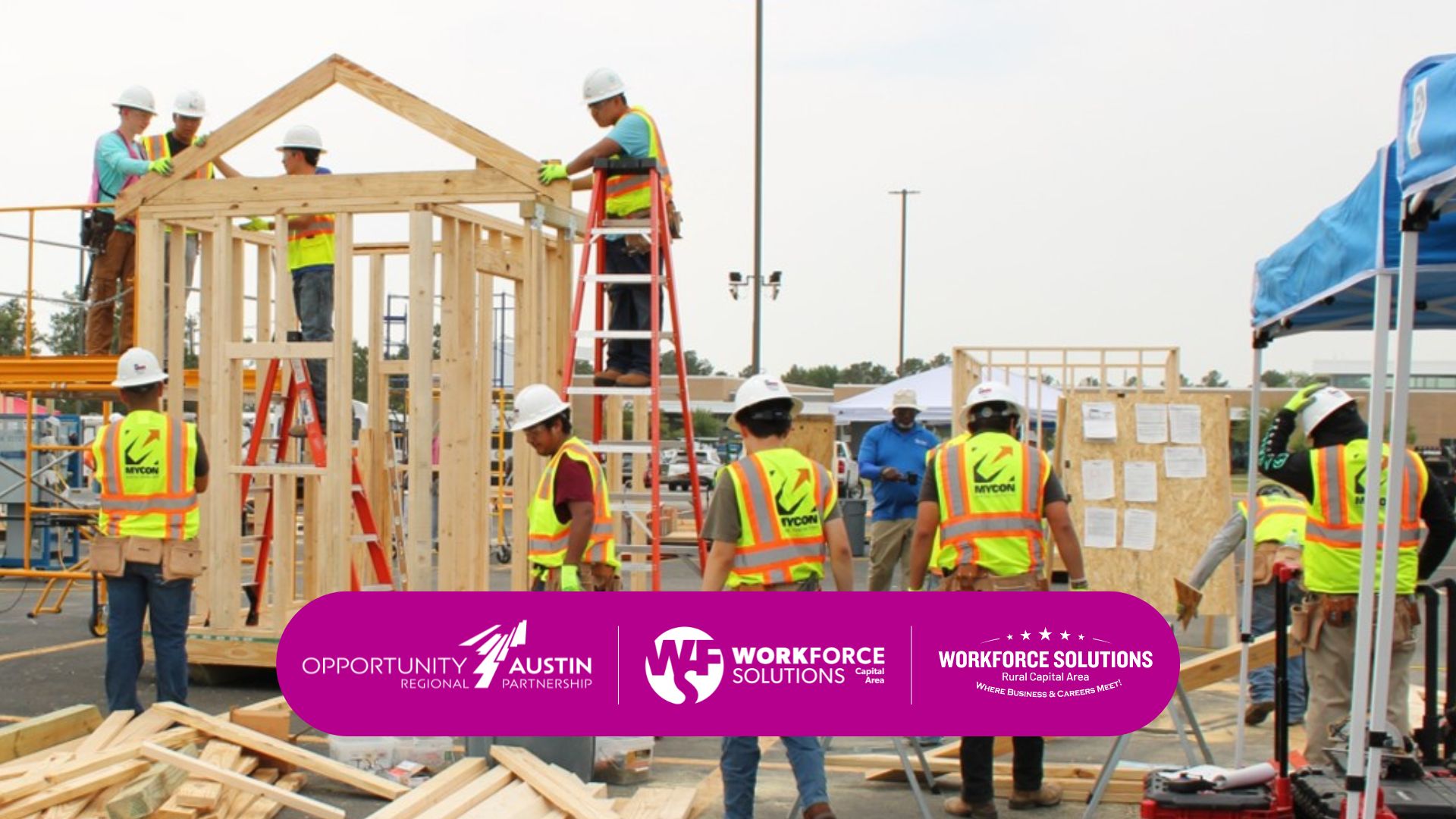
    Photo: CIEF Design Build Competition at ACC Riverside


    Women remain underrepresented in infrastructure and skilled trades careers. To better understand barriers, motivations, and opportunities for growth, the Austin Infrastructure Academy gathered insights from more than 400 women across Central Texas. 

    What we heard: 

    • Women are drawn to work with visible community impact and strong safety culture 
    • Clear information about career pathways and entry points matter. 
    • Childcare and schedule predictability remain major barriers. 
    • Workplace culture, belonging, and representation influence interest and retention. 

    Download the Women in Mobility & Infrastructure Toolkit, for practical messaging, outreach tools, and recruitment strategies to help partners connect more women to careers in mobility and infrastructure.


    Austin Community College’s planned expansion in Southeast Travis County represents a major investment in the future of skilled trades education and workforce development. The facility will be the front door for the Infrastructure Academy in partnership with the City of Austin, Workforce Solutions Capital Area, and many other community partners, serving as a hub for hands-on training in construction, manufacturing, automotive technology, HVAC, welding, and related careers.

  • Cater-2-U Home Health Care Services Turns Connections into Immediate Hiring Success

    Cater-2-U Home Health Care Services Turns Connections into Immediate Hiring Success

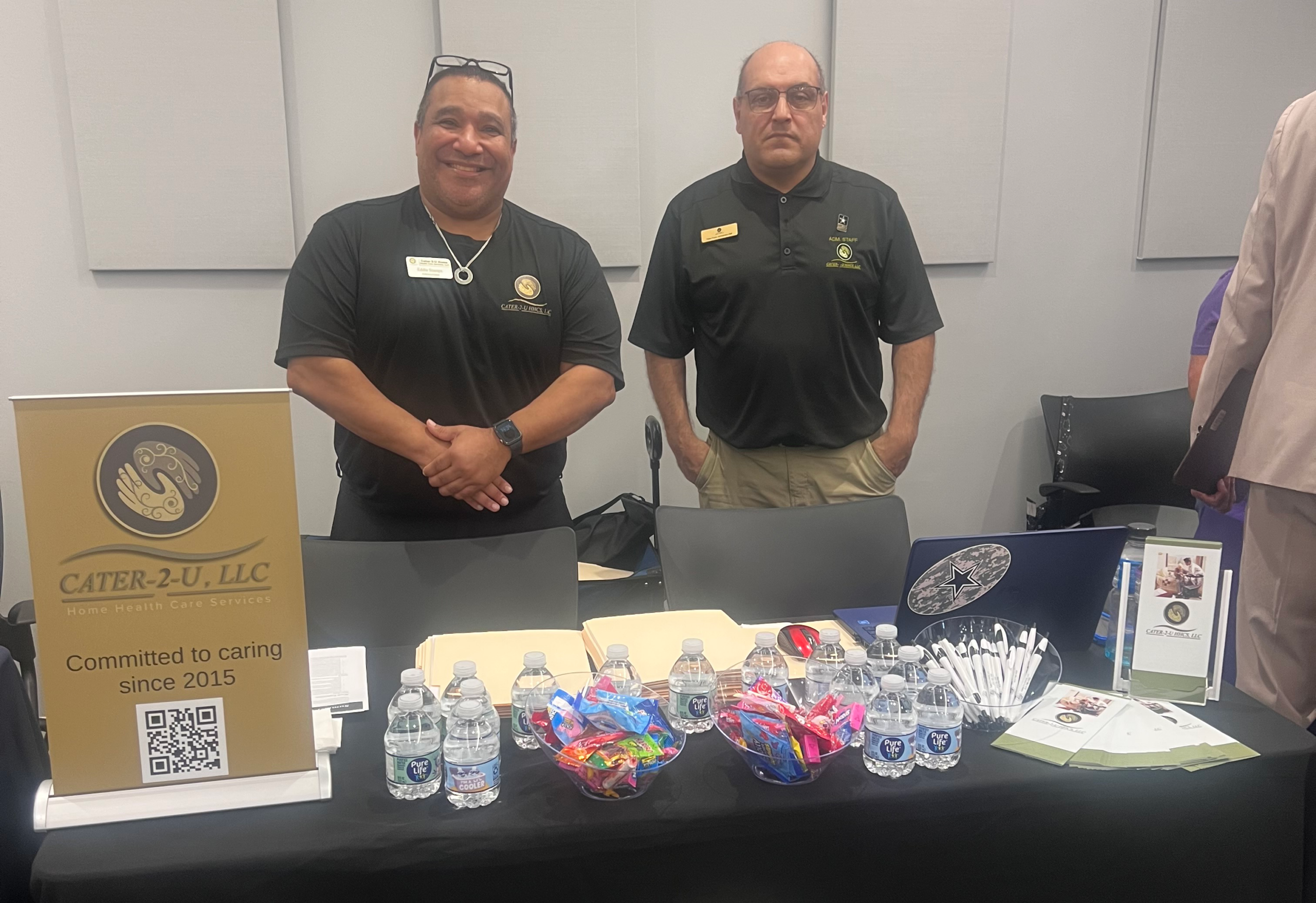
    Through participation in a Healthcare Job Fair hosted by Workforce Solutions Capital Area, Cater-2-U Home Health Services successfully connected with qualified candidates and met immediate hiring needs. The event provided a platform for the employer to engage directly with job seekers, streamline recruitment, and identify talent aligned with their service model.

    Cater-2-U’s strong engagement and readiness to hire resulted in immediate outcomes, demonstrating the value of in-person hiring events in today’s competitive healthcare labor market.

    Like many healthcare providers, Cater-2-U faces ongoing challenges in recruiting qualified staff to support growing service demands. Traditional hiring methods can be time-consuming, often delaying the onboarding of critical roles needed to maintain high-quality care.

    To overcome these challenges, Cater-2-U participated in a targeted hiring event designed to accelerate recruitment and connect with job ready candidates in a single setting.

    Cater-2-U Health Services leveraged the Healthcare Job Fair to meet candidates face-to-face, conduce really time interviews, on the spot background checks, and assess qualifications efficiently. With support from Workforce Solutions Capital Area’s Business Services team, the employer had access to diverse pool of prepared job seekers, many of whom were aligned with healthcare roles and actively seeking employment.

    “The job fair was highly successful, with a strong pool of candidates who brought experience across a variety of areas. The event was well organized and effectively accommodated all participating companies,” Eddie Stamps, CEO of Cater-2-U Home Health Care Services, said.

    A coordinated effort across Workforce Solutions teams, including Business Services and Career Services, helped ensure candidates were informed, prepared, and ready to engage with employers, creating an environment conducive to immediate hiring decisions.

    Cater-2-U Health Services achieved significant results during the event. Five candidates were hired on the spot, the employer connected with a strong pipeline of additional qualified candidates, and immediate hiring needs were addressed, reducing time-to-fill for critical roles. These outcomes highlight the effectiveness of direct engagement between employers and job seekers, all allowing Cater2U to quickly identify and secure talent.

    “From a hiring perspective, we were able to connect with several qualified candidates and successfully hired five individuals from the event,” Stamps said.

    Cater-2-U’s success at the Healthcare Job Fair demonstrates how strategic hiring events can deliver immediate results. By participating in a coordinated workforce initiative, the employer was able to accelerate hiring, reduce recruitment timelines, and build a strong talent pipeline.

    This success reinforces the value of Workforce Solutions Capital Area’s services for local employers in supporting healthcare providers and connecting job seekers to meaningful employment opportunities turning connections into careers in real time.

    Our tailored solutions at various levels of support can assist your business with awareness-raising, training, placement, and upskilling. Learn more and contact us to begin.