
Find a Job Now
Get support and connect with local employers.

Train for a New Career
Explore training for in-demand, stable careers.

Attend a Career Workshop
Build job-search skills through live workshops.

Attend Hiring Events
Meet employers hiring now.

Austin Infrastructure Academy
Careers in construction, transportation, and skilled trades.

Youth Services
Support for ages 14–24 to build skills, explore careers, and find work.

Veteran Services
Priority support and career services for veterans and their spouses.

Business Solutions
Hiring and training support tailored to your workforce goals.

Case Studies
See how local employers solve workforce challenges with us.

Host or Join Hiring Events
Connect directly with job seekers.

Major Events at a Glance
Explore upcoming workforce and industry events in the region.

Healthcare
Collaborating with industry leaders to grow the healthcare workforce.

Mobility & Infrastructure
Advancing talent pipelines for construction, transportation, and skilled trades.

Industry Reports & Insights
Labor market reports and insights to support workforce planning.

Labor Market Dashboard
Data on the regional labor force, employment, jobs, and wages.

Podcast
Conversations shaping Austin’s jobs, economy, and future.

For Parents
Access to affordable, high-quality child care and family support.

For Providers
Partnerships and resources to support quality child care programs.

Success Stories & Testimonials
Real stories from families and providers we support.

Tag: Central Texas Healthcare Academy

  • Top 10 Workforce Moments of FY26

    Top 10 Workforce Moments of FY26

    As another fiscal year comes to a close, we’re looking back at 10 moments that helped shape workforce development across Austin and Travis County.

    FY26 was a year of connecting more local people to opportunity and working with employers, educators and community partners to strengthen the talent pipelines our region depends on.

    From personalized support for job seekers and families to new pathways into in-demand occupations, these moments show what workforce development looks like when people have someone in their corner, a path forward and the support to take their next step.

    Here are 10 moments that stood out.


    10. We invested in the manufacturing leaders of tomorrow

    Workforce Solutions Capital Area invested in the skills of Central Texas’ existing manufacturing workforce through incumbent worker training.

    In partnership with the Austin Regional Manufacturers Association, we invested $18,000 to help 12 employees from four local manufacturers (Athena Manufacturing, Acutronic, Cypress Technologies and White Rock Manufacturing) strengthen their supervisory skills through training delivered by the Texas Manufacturing Assistance Center.

    Why it matters: Helping employers develop talent from within creates opportunities for workers to advance while strengthening the leadership pipeline local manufacturers need to grow.


    9. We put the people behind our workforce system at the center of the story

    This year, we began sharing firsthand stories from the people who experience our workforce system every day.

    Job seekers, employers, child care providers and parents shared how career guidance, training, child care and other workforce services helped them take their next step.

    Why it matters: The numbers tell part of our story. Hearing directly from the people behind them shows what workforce development can mean for a career, a family or a business.
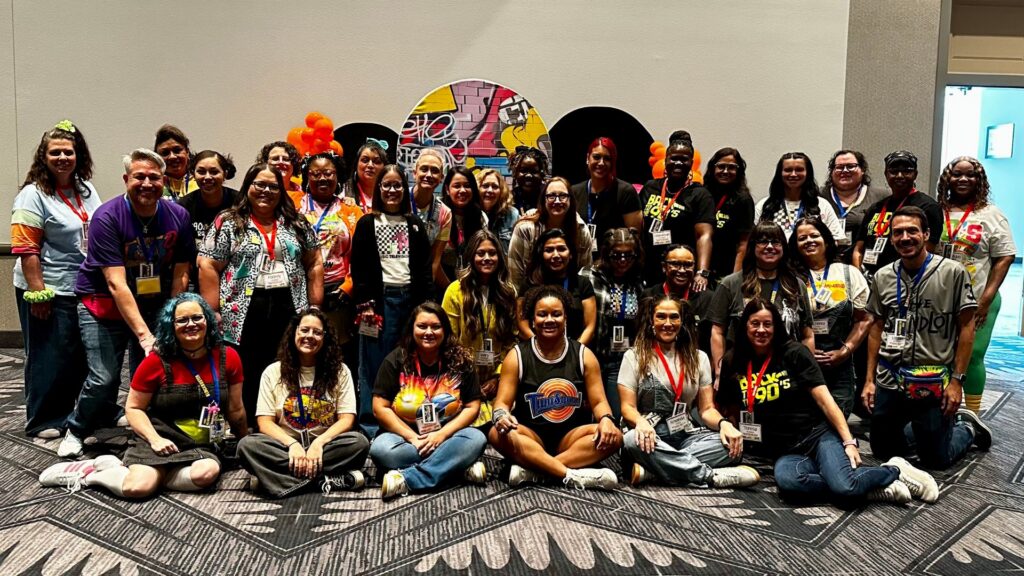

    8. More than 850 early childhood professionals came together at SHINE

    At the SHINE Symposium, held in partnership with Workforce Solutions Rural Capital Area, more than 850 early childhood professionals came together for professional development, resources and opportunities to connect with others across the child care community.

    Why it matters: Supporting early childhood professionals strengthens the child care system that local families and our broader workforce depend on.


    7. We launched Workforce Industry Insights to spotlight Central Texas’ growing industries

    In partnership with Opportunity Austin and Workforce Solutions Rural Capital Area, we launched Workforce Industry Insights, bringing workforce data and regional expertise together to examine the talent needs shaping some of Central Texas’ fastest-growing industries.

    Through white papers, case studies and data reports, the partnership provides employers with insights into hiring trends, workforce needs and the regional strategies helping build talent pipelines across Central Texas.

    Why it matters: Giving employers a clearer picture of our region’s workforce helps local businesses plan for their talent needs while showcasing Central Texas’ ability to support industries looking to grow here.


    6. Yael Lawson was named CEO of Workforce Solutions Capital Area

    In FY26, Yael Lawson was named CEO of Workforce Solutions Capital Area, bringing years of workforce leadership and experience within our organization to the role.

    Her appointment marked a new chapter for Workforce Solutions Capital Area as we continue bringing employers, educators, community organizations and public partners together around our region’s workforce needs.


    5. More than 100 high school seniors got Next Level Ready

    More than 100 high school seniors from Austin ISD, Elgin ISD, Manor ISD and Pflugerville ISD participated in Next Level Ready, connecting students preparing for life after high school with local employers, educators and workforce organizations.

    Students came prepared with resumes, professional attire and elevator pitches before meeting directly with participating organizations. They also heard presentations from Amplify Credit Union and Austin SHRM and had an opportunity to receive a professional headshot.

    Why it matters: Connecting students directly with employers and helping them practice the skills they’ll need gives young people a clearer next step as they move from high school into work or continued education.
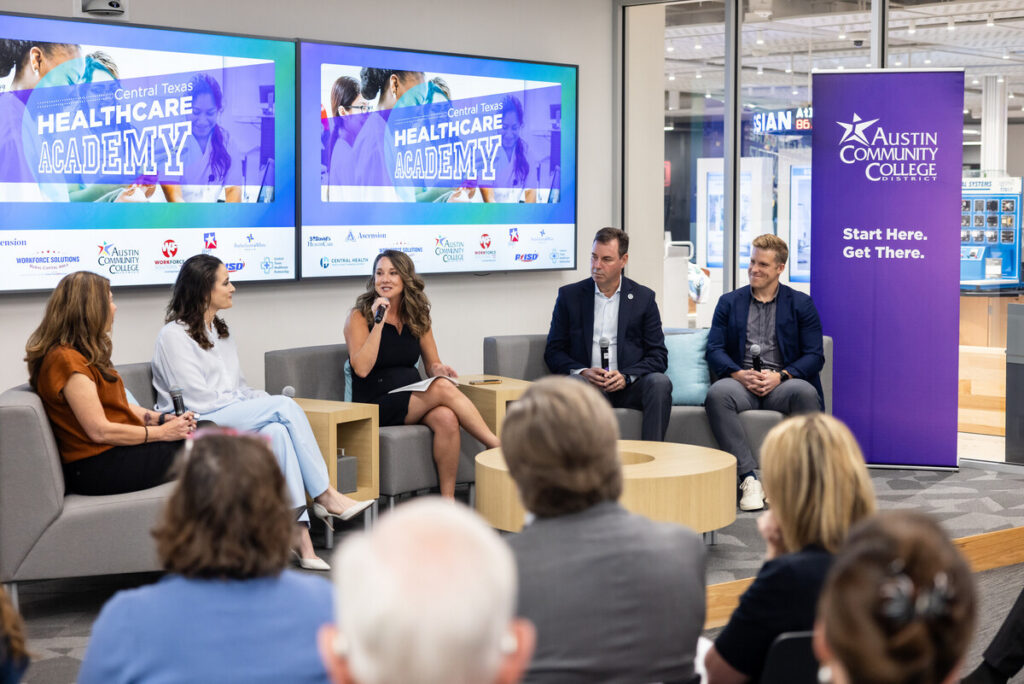

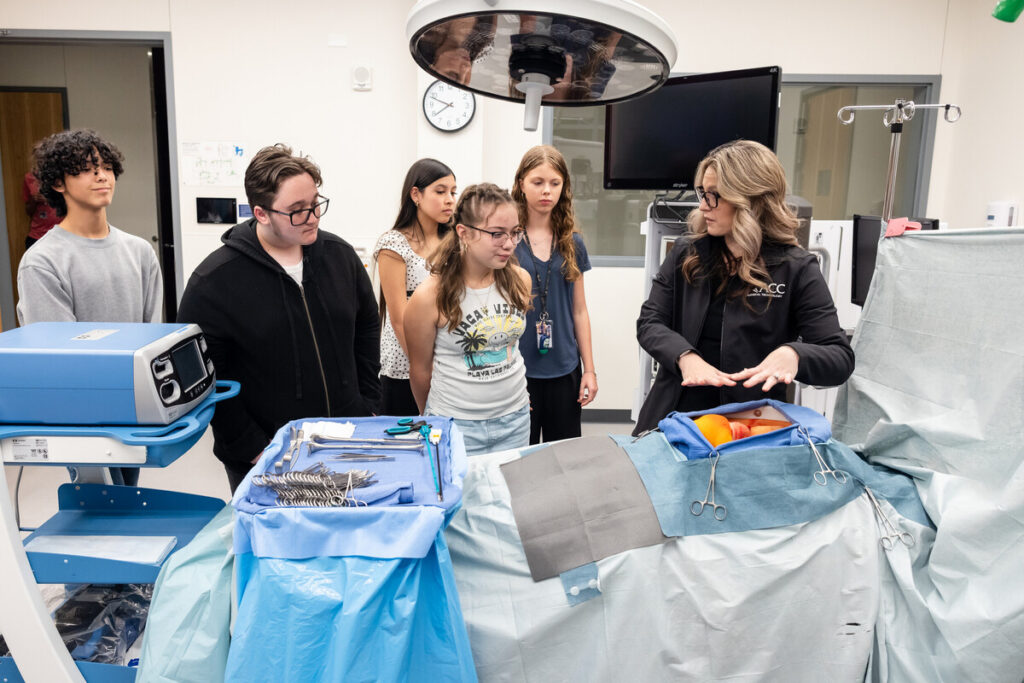
    4. Regional partners launched the Central Texas Healthcare Academy

    This year, regional partners launched the Central Texas Healthcare Academy, creating new opportunities for high school students to begin preparing for healthcare careers before graduation.

    Developed by the Central Texas Healthcare Partnership, the Academy allows students to begin healthcare training while still in high school, completing prerequisites and co-requisites for pathways including nursing, Surgical Tech, Radiology Tech and Health Information Technology.

    Why it matters: Central Texas employers need more healthcare professionals, while students need clearer pathways into those careers. Starting healthcare training earlier can help students build a path toward in-demand careers while strengthening the region’s future healthcare workforce.
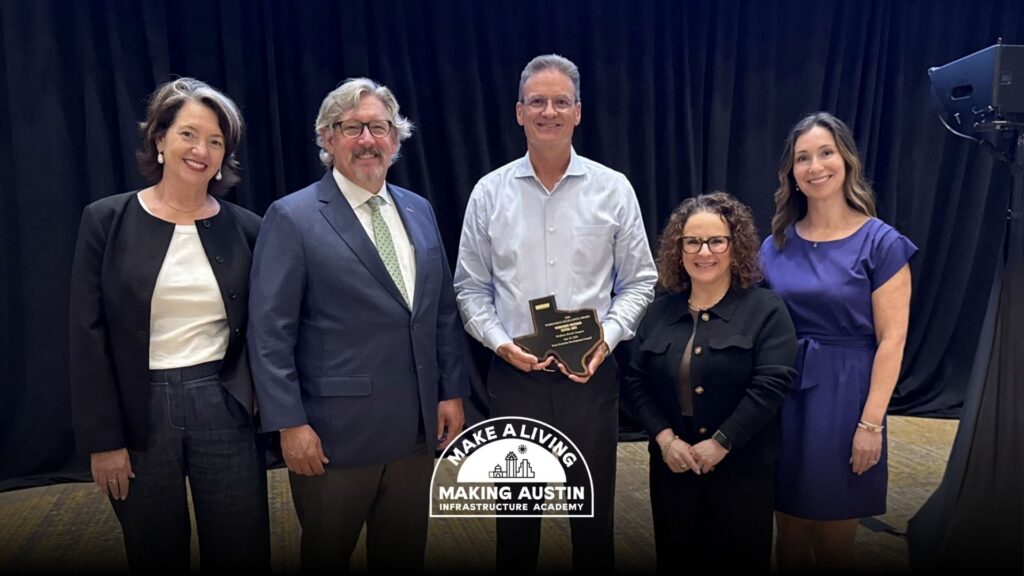

    3. The Austin Infrastructure Academy earned statewide recognition

    The Austin Infrastructure Academy earned statewide recognition for its collaborative approach to preparing local residents for careers connected to the region’s major infrastructure investments.

    The Austin Infrastructure Academy is a local coalition of partners in government, education, business, and the community working together to grow Austin’s workforce in transportation, construction, and other skilled trades. The Academy connects local people to training and careers that power Austin’s growth—removing barriers so they can make a living, making Austin. 

    Why it matters: The Academy connects local people to careers created by our region’s infrastructure investments while helping employers build the skilled workforce needed to deliver those projects.


    2. Travis County launched a $21 million investment to expand child care access

    Through Raising Travis County, Travis County launched a $21 million investment to expand access to affordable child care and strengthen the providers families depend on. Through the initiative, Workforce Solutions Capital Area is expanding child care scholarships for local families while delivering gap funding to providers, helping make care more affordable for families and more sustainable for the programs that serve them.

    As of August 5:

    • 577 children were enrolled in Raising Travis County scholarships
    • 132 child care providers were receiving gap payments
    • $4.2 million in gap payments had been distributed to providers

    Why it matters: Child care can be one of the biggest barriers between a parent and their next opportunity. Expanding access helps parents work, train and advance while supporting the providers who make that possible.
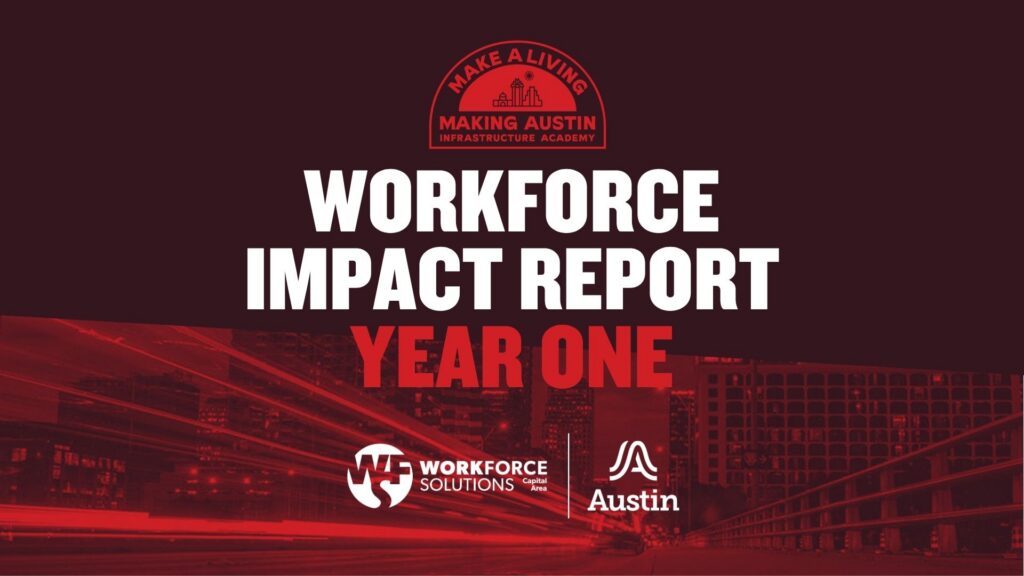

    1. We marked one year of impact through the Austin Infrastructure Academy

    One year after its launch, the Austin Infrastructure Academy is showing how career navigation, training and support can connect local residents with the workforce opportunities created by our region’s infrastructure investments.

    From March 2025 through June 2026, the Academy:

    • Connected 1,856 residents to career opportunities
    • Enrolled 1,654 participants into the Austin Infrastructure Academy
    • Awarded 210 training scholarships
    • Helped 142 residents become employed or advance their careers

    Behind those numbers are local residents receiving career coaching, training and other support designed around real workforce demand.

    Why it matters: The Austin Infrastructure Academy aligns career navigation, training and support with employer demand, helping local residents build a path toward the jobs being created by our region’s infrastructure investments.


    See more of our impact

    These 10 moments capture only part of what local job seekers, employers, families, students and partners accomplished together this year.

    For a deeper look at the results behind our workforce system, explore our recently released FY25 Impact Report, highlighting outcomes across job seeker services, employer engagement, child care and our future workforce.

    As we begin FY27, we’re carrying forward the partnerships, lessons and momentum of the past year as we continue our mission to support and connect local people to local jobs.
  • What we heard at the 2026 State of Healthcare Workforce Forum

    What we heard at the 2026 State of Healthcare Workforce Forum

    Central Texas’ healthcare workforce continues to grow, but so does the challenge of preparing enough people to meet the region’s needs.

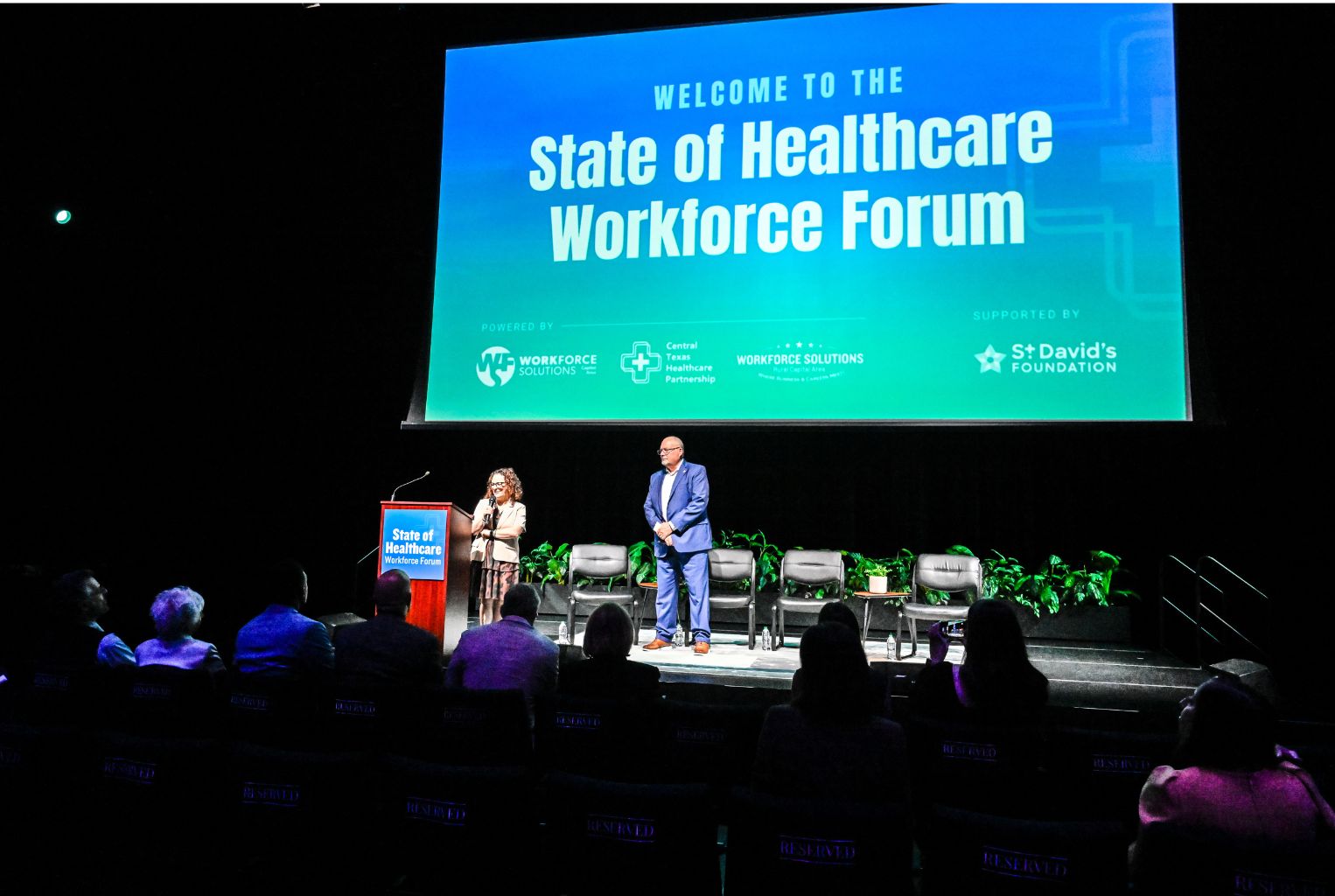
    At the second annual State of Healthcare Workforce Forum, Workforce Solutions Capital Area, Workforce Solutions Rural Capital Area, and St. David’s Foundation brought together healthcare employers, educators, workforce leaders, funders and community partners to take stock of the progress of the Central Texas Healthcare Partnership and focus on what comes next.

    From state policy and artificial intelligence to education capacity, career pathways and student supports, speakers returned throughout the morning to a common challenge: Central Texas has strong interest in healthcare careers and strategies that are already building the workforce. The opportunity now is to remove the barriers that keep those strategies from reaching more people.

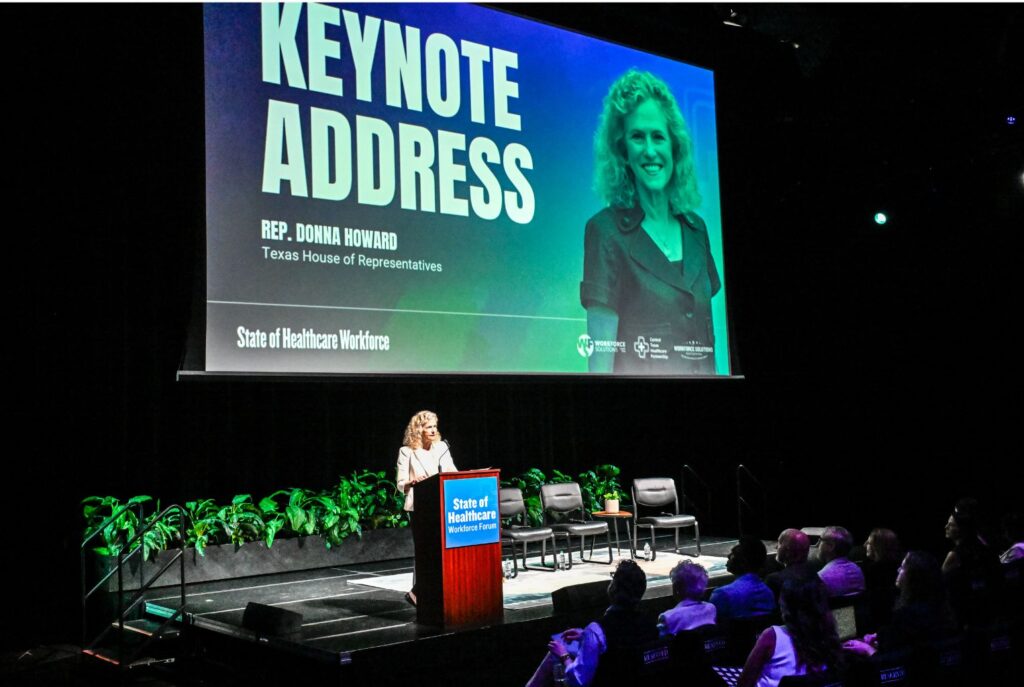
    Texas State Rep. Donna Howard delivers the keynote address at the 2026 State of Healthcare Workforce Forum.

    A workforce challenge decades in the making

    Texas State Rep. Donna Howard, a former critical care nurse, opened her keynote by reflecting on a healthcare workforce challenge she has been working on since shortly after joining the Legislature nearly 20 years ago.

    At the time, state projections were already warning that demand for nurses could outpace supply. While Texas has since invested in loan forgiveness, nursing education and other workforce strategies, Howard said the underlying challenge remains — and now extends well beyond nursing to other healthcare occupations.

    Recent legislative action has begun tackling some of the structural barriers behind that shortage. Howard highlighted new efforts to coordinate statewide healthcare workforce data, study regional systems for clinical placements, streamline nursing-school applications, support nurse preceptors and expand faculty loan repayment and nursing-education innovation grants.

    But she also emphasized that education and workforce systems need to connect more intentionally.

    Howard said she plans to continue pursuing policies that align high school and dual-credit healthcare programs with college requirements and industry-recognized credentials, helping students stack credentials instead of repeating coursework. She also called for stronger coordination between state agencies and local workforce boards.

    And she pointed to Central Texas as evidence of what that coordination can accomplish.

    Through efforts such as the Central Texas Healthcare Partnership, Howard said the region is demonstrating a model for addressing healthcare workforce shortages through collaboration among workforce organizations, employers and education partners.

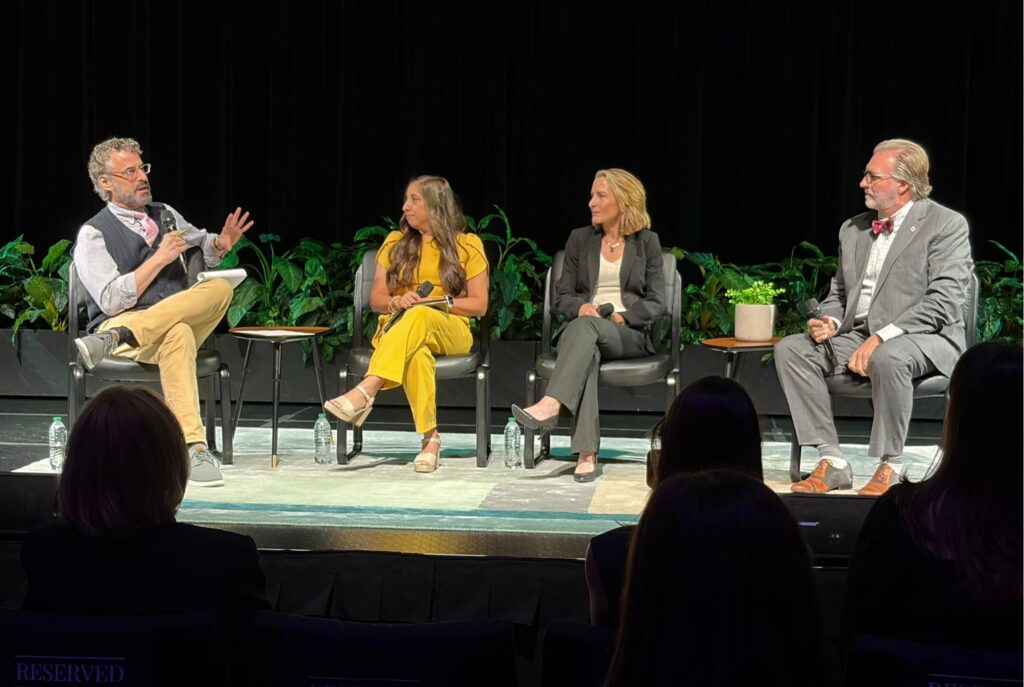
    Dr. Edward Burger of St. David’s Foundation moderates a panel with institutions building health talent pipelines for Central Texas, including Dr. Julie Lessiter of Texas State University Round Rock, Dr. Russell Lowery-Hart of Austin Community College, and Alyssia Palacios-Woods of Capital IDEA.

    Interest is strong. Capacity has to catch up.

    The conversations that followed reinforced that Central Texas does not have a shortage of people interested in healthcare careers.

    Austin Community College has approximately 9,000 students on pre-health science pathways competing for about 1,100 available program slots. Texas State University Round Rock reported approximately 600 nursing applicants for 150 slots.

    The constraint is often what happens in between — particularly clinical placements, simulation space, faculty capacity and the cost of operating healthcare programs.

    ACC Chancellor Dr. Russell Lowery-Hart said the college could potentially double healthcare-training capacity with sufficient clinical availability. Texas State Round Rock Vice President Dr. Julie Lessiter similarly pointed to simulation labs and clinical rotations as major constraints on expanding nursing enrollment.

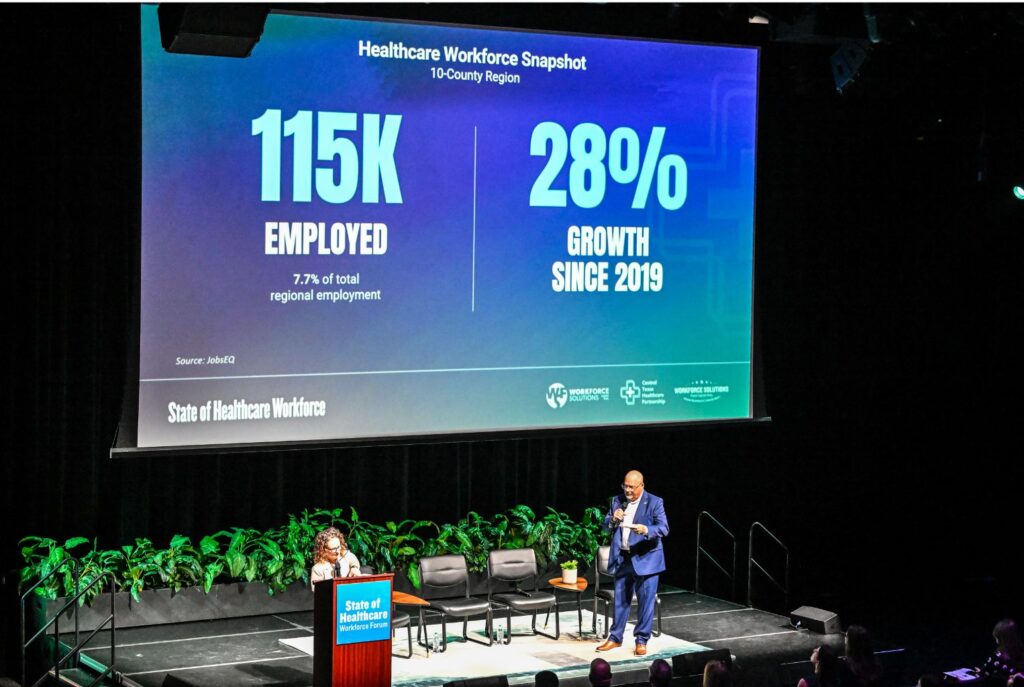
    That same challenge surfaced in the regional workforce outlook. Workforce Solutions leaders noted that healthcare employment has grown 28% since 2019, with another 14,000 new jobs projected by 2031 before accounting for turnover. Roughly 1,800 RN and LVN openings are projected each year, while employers also need large numbers of medical assistants, nursing assistants and other entry-level workers.

    The region has already made progress: collaboration among employers, educators and workforce partners has helped more than double the number of nursing graduates over the past five years.

    Workforce Solutions Capital Area CEO Yael Lawson and Workforce Solutions Rural Capital Area CEO Paul Fletcher deliver opening remarks at the 2026 State of Healthcare Workforce Forum.

    Supporting the student means supporting the workforce

    Another takeaway from the forum was that tuition alone does not determine whether someone completes healthcare training.

    Working adults and first-generation students may be balancing housing costs, transportation, child care, food insecurity and lost wages while completing coursework and required clinical hours.

    The impact of addressing those barriers is measurable. ACC reported that students receiving child care scholarships have an 81% persistence rate, compared with approximately 60% overall. Students using the college’s food pantry also persist at rates above the college average.

    Capital IDEA Executive Director Alyssia Palacios-Woods, CFRE shared a similar whole-person approach. The organization currently supports approximately 1,000 students through tuition, fees, books, wraparound assistance and career navigation, with 85% pursuing healthcare careers.

    These examples reinforce that transportation, child care, emergency assistance and career navigation are not separate from workforce development. They can determine whether an interested student ultimately becomes a qualified healthcare professional.

    Creating more ways into — and through — healthcare careers

    The forum also highlighted the importance of building career pathways that do not depend on a single entry point.

    Healthcare apprenticeships have expanded earn-and-learn options beyond traditional skilled trades. Workforce Solutions leaders highlighted the region’s certified medical assistant apprenticeship as an especially popular model that has created jobs while allowing people to earn wages during training.

    Regional partners are also working to create clearer pathways from entry-level healthcare occupations into higher-wage careers through stackable credentials and credit for prior learning.

    And those pathways are starting earlier.

    The Central Texas Healthcare Academy, developed by the Central Texas Healthcare Partnership, is designed so students can begin healthcare training while still in high school. Students will complete their pre-requisites and co-requisites for pathways including nursing, surgical tech, radiology tech, and health information technology.

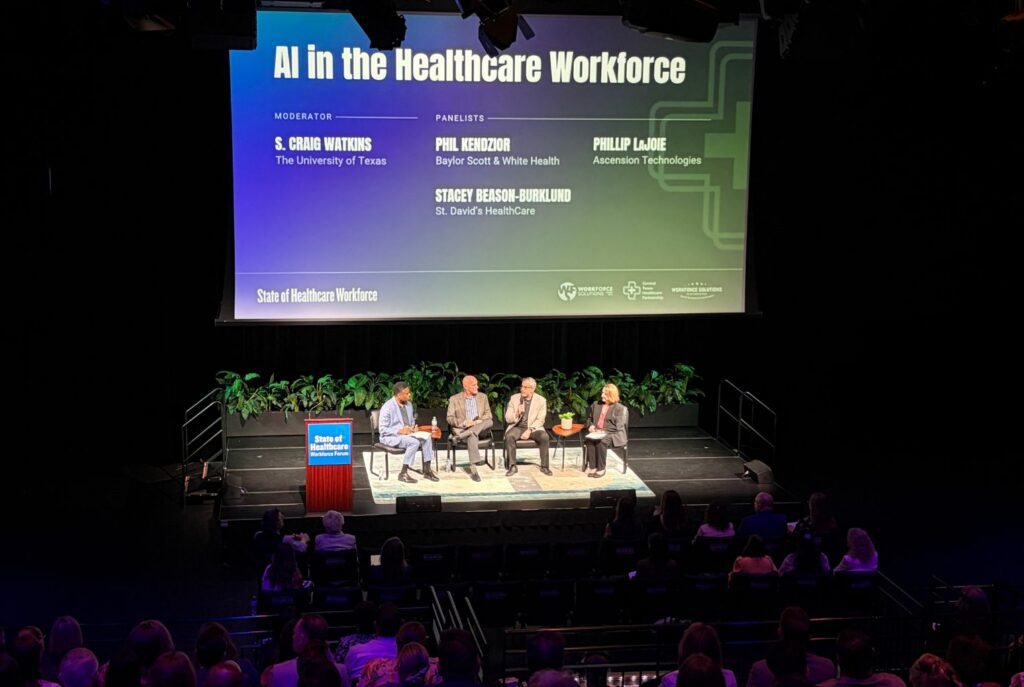
    S. Craig Watkins of the The University of Texas at Austin moderates a panel on AI in the healthcare workforce, featuring Stacey Beason-Burklund of St. David’s HealthCare, Phil Kendzior of Baylor Scott & White Health, and Phillip LaJoie of Ascension Technologies.

    AI may change the work, without removing the human

    The forum also looked ahead to how artificial intelligence could reshape healthcare work.

    Panelists described AI tools already helping clinicians draft documentation, screen job applicants and manage administrative work. The common thread was less about replacing healthcare professionals and more about giving clinicians time back for patients, teams and higher-value work.

    That transition will require new skills. Panelists emphasized AI literacy, understanding when to trust or verify a tool’s output, change management and strong human oversight. They also stressed that governance, privacy and transparency will be essential as AI becomes more integrated into healthcare settings.

    The goal, as the panel described it, is augmentation rather than replacement: using technology to support clinical expertise, improve patient experience and help healthcare professionals spend more time doing the work that brought them into the field.

    Proof that rural investment can work

    Bastrop County Public Health Department Executive Director Donna Nichols offered a clear example of what these ideas look like in practice, particularly in rural communities.

    Through the Create a Job, Save a Job initiative, funded by St. David’s Foundation, 170 Bastrop County residents enrolled in healthcare training during the program’s first year. 102 graduated and 77 secured employment, including EMTs, CNAs, phlebotomists, mental health counselors, RNs and LVNs — many in Bastrop County itself.

    The program paired approximately $340,000 in tuition assistance with support for transportation, equipment, housing and other barriers. Its case-management approach was also identified as a key part of helping participants stay on track.

    The example shows what can happen when identifying workforce demand is followed by building pathways and helping people successfully move through them.

    The opportunity: scale what works

    The forum did not point to one solution for Central Texas’ healthcare workforce challenge. It pointed to many: more clinical placements, expanded simulation capacity, apprenticeships, stronger K–12 pathways, stackable credentials, student supports, employer engagement and better coordination across institutions.

    What connects those strategies is partnership.

    As the forum closed, Workforce Solutions leaders emphasized that some of the region’s strongest progress has come from bringing employers that normally compete for talent to the same table with educators, community organizations and workforce partners to solve shared problems.

    The Central Texas Healthcare Partnership is one way the region is putting that collaborative approach into practice.

    The opportunity now is to take what is working and build it to scale — creating a stronger, more connected healthcare workforce system that can keep pace with the needs of a growing region.

    Go deeper into the data

    Two recently released resources provide additional context behind many of the workforce trends discussed at the forum.

    Central Texas Healthcare Workforce Needs and Education Pipeline Study: A comprehensive look at healthcare workforce demand, employer needs, education capacity and county-level opportunities across the 10-county Central Texas region.

    Texas Talent Experts: Healthcare Industry Snapshot: A quick-read look at six priority healthcare occupations, career pathways and examples of regional workforce collaboration.

  • Regional partners launch Central Texas Healthcare Academy with more than $10 million in grants, including support from the Michael & Susan Dell Foundation and Bloomberg Philanthropies

    Regional partners launch Central Texas Healthcare Academy with more than $10 million in grants, including support from the Michael & Susan Dell Foundation and Bloomberg Philanthropies

    On May 11, Austin Community College District, in partnership with Workforce Solutions Capital Area’s Central Texas Healthcare Partnership, Pflugerville ISD, Hays CISD and leading regional healthcare employers, announced the launch of the Central Texas Healthcare Academy, a regional partnership designed to help build the future of healthcare workforce in Central Texas.

    The announcement, held at the ACC Health Sciences Regional Simulation Center at Highland Campus, brought together education leaders, industry partners and students to highlight a shared commitment to addressing the region’s growing healthcare workforce needs through early access, hands-on training and dual credit opportunities.

    “I am really excited about this opportunity because I feel the program is more focused on what I want to do! Instead of just being in science classes, it is specific to the career I want to do, and I feel that I will be better prepared with this type of focused program.”

    Presley M., incoming Hays High School student

    Backed by a $6.3 million grant from the Michael & Susan Dell Foundation, with an additional $3.2 million co-investment from Bloomberg Philanthropies, the initiative will serve students across seven high schools in Pflugerville ISD and Hays CISD.

    This funding builds upon earlier investments, including a $740,000 contribution from St. David’s Foundation that supported planning and partnership development, as well as a $300,000 contribution from the High Demand Jobs Training Fund Investment.

    “Student success takes all of us. When K–12, higher education, and employers come together, students start earlier, gain real experience, and move into high-value careers with confidence,” Dr. Russell Lowery-Hart, chancellor at Austin Community College District said. “ACC is proud to help bring that together to connect partners, strengthen the healthcare workforce, and create lasting opportunity. That’s how we care for our students, and it’s how we build the skilled workforce Central Texas needs.”

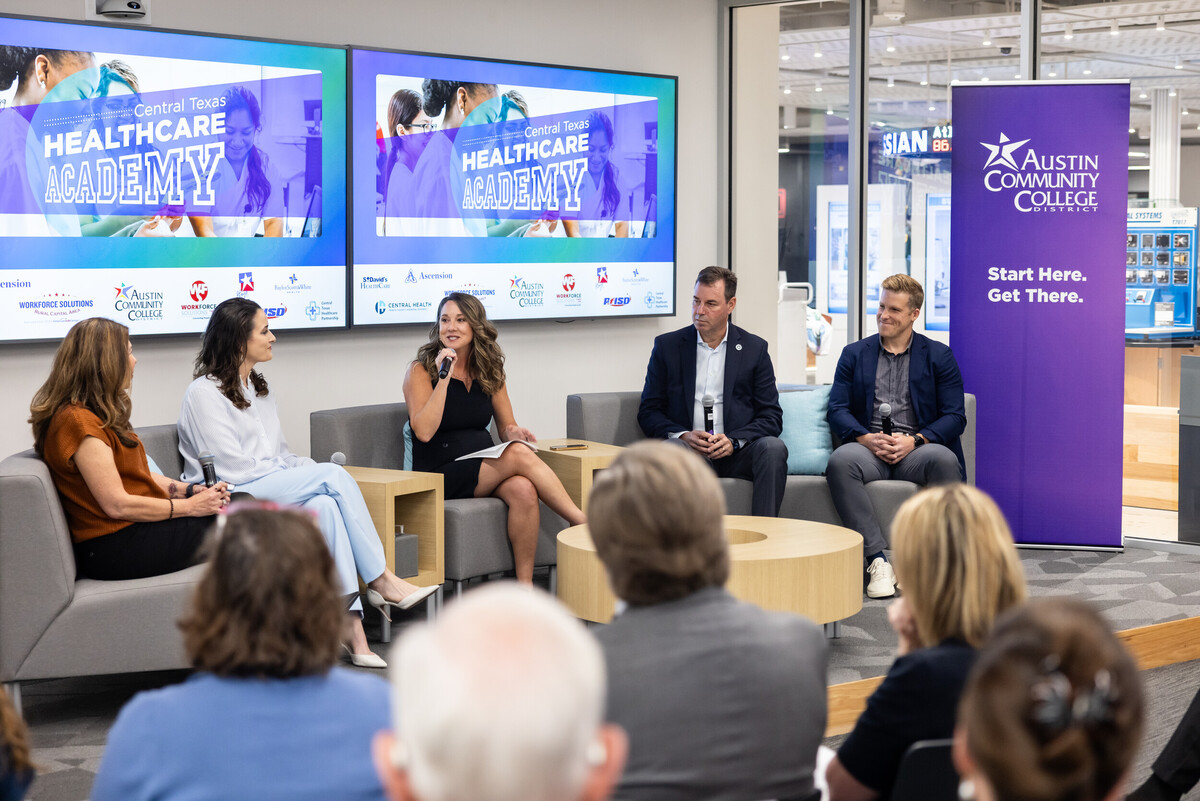
    Austin Community College District (ACC), Hays CISD, Pflugerville ISD, regional healthcare partners, and supporters launch the Central Texas Healthcare Academy on Monday, May 11, 2026, at ACC Highland Campus in Austin, Texas.

    Students enrolled in the academy will participate in healthcare-focused programs on their high school campuses while gaining access to college-level coursework, certifications and hands-on learning experiences. ACC will provide dual credit pathways that allow students to accelerate progress toward an associate degree or credential in healthcare fields.

    The program is designed in close collaboration with healthcare employers, ensuring students graduate with the skills and experience needed to enter the workforce more quickly and efficiently. Regional partners including Ascension Seton, Baylor Scott & White Health, Central Health and St. David’s HealthCare are actively engaged in shaping curriculum and training opportunities.

    “My science teacher introduced me to Radiology Technology, and it made me really interested in a healthcare career. I like that this program is focused on careers students are actually interested in, and I feel like it will help me prepare for my future.”

    Sophia C., incoming Hays High School student

    “Connecting local people to local jobs is at the core of what we do,” Yael Lawson, CEO of Workforce Solutions Capital Area, said. “The Central Texas Healthcare Academy brings that mission to life by aligning education and industry, giving students clear pathways to in-demand healthcare careers while helping employers meet critical workforce needs. This kind of partnership strengthens our regional economy and helps build a workforce that reflects and serves our community.”

    The announcement event featured remarks from ACC chancellor, Dr. Russell Lowery-Hart, as well as Pflugerville ISD superintendent, Dr. Quintin Shepherd and Hays CISD superintendent, Dr. Eric Wright, followed by a panel discussion with healthcare executives and workforce partners. Students from participating districts were also recognized, underscoring the real and immediate impact of the initiative.

    The ACC-led academy allows students to begin healthcare training in high school, earn college credit, complete hands-on training, and prepare for high-demand careers in healthcare fields.

    Across participating districts, hundreds of students have already enrolled in healthcare pathways, signaling strong early demand and momentum for the program.

    The Central Texas Healthcare Academy represents a scalable, partnership-driven model for workforce development, connecting students to opportunity while helping meet one of the region’s most urgent workforce challenges.

    “I would be most excited for Surgical Technology because it offers a fast-paced, hands-on environment that I can truly see myself thriving in. I am eager to use my skills to serve my community and contribute to something bigger than myself.”

    Essence B., Pflugerville ISD student

    For more information about the Central Texas Healthcare Academy, please visit https://programs.austincc.edu/central-texas-healthcare-academy/.

    What they’re saying:

    • Michael & Susan Dell Foundation: “Austin is growing quickly, especially in healthcare and life sciences, and we have an opportunity to make sure that growth is powered by the talent already here,” said Aliya Hussaini, Head of Health Initiatives, United States, at the Michael & Susan Dell Foundation. “Across Central Texas, in every community, there are young people who are curious, capable, and ready to step into these careers. The Central Texas Healthcare Academy opens that path, giving students earlier exposure, real experience, and a more direct route into careers they can be proud of while building something that lasts for this community – a future where Austin is taking care of Austin. We’re proud to partner with Bloomberg Philanthropies to help build one of the strongest programs in the country, right here at home.”
    • Bloomberg Philanthropies: “The goal of our healthcare-focused high schools initiative is to create a model that can be replicated and scaled,” Jenny Kane, who leads the Career and Technical Education portfolio at Bloomberg Philanthropies, said. “We are so excited to partner with the Dell Foundation on the Central Texas Healthcare Academy to further demonstrate how education systems and employers can come together to create real pathways from the classroom to high-demand healthcare careers. By aligning curriculum, hands-on training, and industry needs, this model not only addresses critical workforce shortages but also ensures students graduate with the skills, credentials, and opportunities to succeed—and it’s a blueprint we believe can continue to be replicated across communities nationwide.”
    • Ascension Texas: “At Ascension Texas, we believe in the power of collaboration,” Tyler Yeoman, chief human resources executive at Ascension Texas said. “The launch of the Central Texas Healthcare Academy solidifies our commitment to ensuring the next generation of healthcare professionals is equipped and empowered with the skills to serve our central Texas community.”
    • Baylor Scott & White Health: “Baylor Scott & White Health has long understood that solving workforce challenges requires starting early and building clear, intentional pathways,” Mark Sherry, system vice president of people operations and service solutions at Baylor Scott & White Health said. “The Central Texas Healthcare Academy represents exactly the kind of partnership our region needs right now. By connecting high school students to real credentials, real experience and real opportunity in high-demand healthcare fields, we are not just filling workforce gaps, we are strengthening the future of care in Central Texas and creating lasting economic mobility for our students.”
    • St. David’s HealthCare: “Strengthening our healthcare talent pipeline is essential to the long-term health and vitality of Austin,” Beth Vaughn, assistant vice president of academic partnerships at St. David’s HealthCare said. “Through our partnership with the Central Texas Healthcare Academy, St. David’s HealthCare is cultivating the next generation of highly skilled clinicians, providing them with the hands-on experience and academic excellence needed to lead the future of compassionate care.”
    • Central Health: “Central Health is proud to be a partner in building the healthcare workforce Central Texas will depend on for generations to come. Through the Central Texas Healthcare Academy, our Department of Education and Research will connect K-12 students across the Austin metro region with professionals in nursing and other healthcare fields, providing educational opportunities and observerships that open doors to meaningful careers. For students who go on to complete healthcare course credit at ACC, we’re taking that a step further, bringing them into the Central Health system for hands-on experiential learning. We believe that expanding opportunity and building a stronger workforce means better care for the community we serve.”
    • Hays CISD: “At Hays CISD, our mission is to ensure every student has a clear pathway to success, and the launch of the Central Texas Healthcare Academymakes that mission 100% possible,” Dr. Eric Wright, Superintendent at Hays CISD said. “We are incredibly excited to offer our students this high-level opportunity to earn college credits and real-world training in four critical healthcare fields while they are still in high school. This would not be possible without generous support from Michael and Susan Dell Foundation, St. David’s Foundation and Bloomberg Philanthropies. By partnering with Austin Community Collegeand Workforce Solutions Capital Area, we aren’t just giving our students a head start on their associate degrees, we are answering the call of our community. This academy allows us to provide a homegrown, highly skilled talent pipeline for our local healthcare industry, ensuring our students become the outstanding professionals who will care for Central Texas for generations to come.”
    • Pflugerville ISD: “Joining the Central Texas Healthcare Academy is a natural extension of PfISD’s commitment to opening doors for our students,” Dr. Quintin Shepherd, superintendent at Pflugerville ISD said. “Through this partnership with Austin Community College and our regional healthcare community, students can graduate not just with a diploma — but with real credentials, real experience, and a real future in one of the most in-demand fields in our region. PfISD has long been focused on preparing students for life after graduation, not just college in the abstract, but careers with meaning and economic mobility. The Central Texas Healthcare Academy gives our students a direct path into nursing, radiology, and surgical technology, fields where the demand is high, the pay is strong, and the work matters deeply.”
  • ACC joining Austin-area schools for new healthcare academy

    ACC joining Austin-area schools for new healthcare academy

    Austin Community College is collaborating with area schools to connect students to medical careers through the Central Texas Healthcare Academy.

    Go deeper.

  • New program gives high school students dual credit options in healthcare

    New program gives high school students dual credit options in healthcare

    Thousands of students in Central Texas will have access to training and education that will set them up for a healthcare career, starting in the fall.

    The Austin Community College District and Workforce Solutions Capital Area on Monday announced the launch of the Central Texas Healthcare Academy, which will be available to students within the Pflugerville Independent School District and Hays Consolidated Independent School District starting in the fall of 2026.

    Go deeper.

  • Stackable Credentials in Career Connected Learning Efforts

    Stackable Credentials in Career Connected Learning Efforts

    MGT’s new four-part report series explores how states and regions are redefining education-to-career systems: connecting students to meaningful, paid pathways that lead to economic mobility and meet workforce demand.

    The Stackable Credentials white paper explores how stackable credentials within Career Connected Learning efforts create flexible, employer-aligned pathways that allow K–12 students to earn industry-recognized credentials, enter high-demand careers, and continue advancing their skills over time to achieve long-term economic mobility.

    In Austin, the Central Texas Healthcare Academy created five stackable credential healthcare pathways beginning in high school.

    Read the report.

  • New healthcare career program coming to Hays CISD, Pflugerville ISD fall 2026

    New healthcare career program coming to Hays CISD, Pflugerville ISD fall 2026

    A new healthcare-focused career program will launch next fall in Hays CISD and Pflugerville ISD, in partnership with Austin Community College and the Central Texas Healthcare Partnership.

    Announced during the inaugural State of Healthcare Workforce Forum Aug. 26, the Central Texas Healthcare Academy will launch in the fall of 2026.

    Go deeper.
  • Inaugural State of Healthcare Workforce Forum highlights local concerns around shortage, talent pools

    Inaugural State of Healthcare Workforce Forum highlights local concerns around shortage, talent pools

    Higher education costs, a booming population and aging workforce are all challenges identified by health care executives at the state and local level in a first-time health care forum held at Austin PBS in August.

    Go deeper.