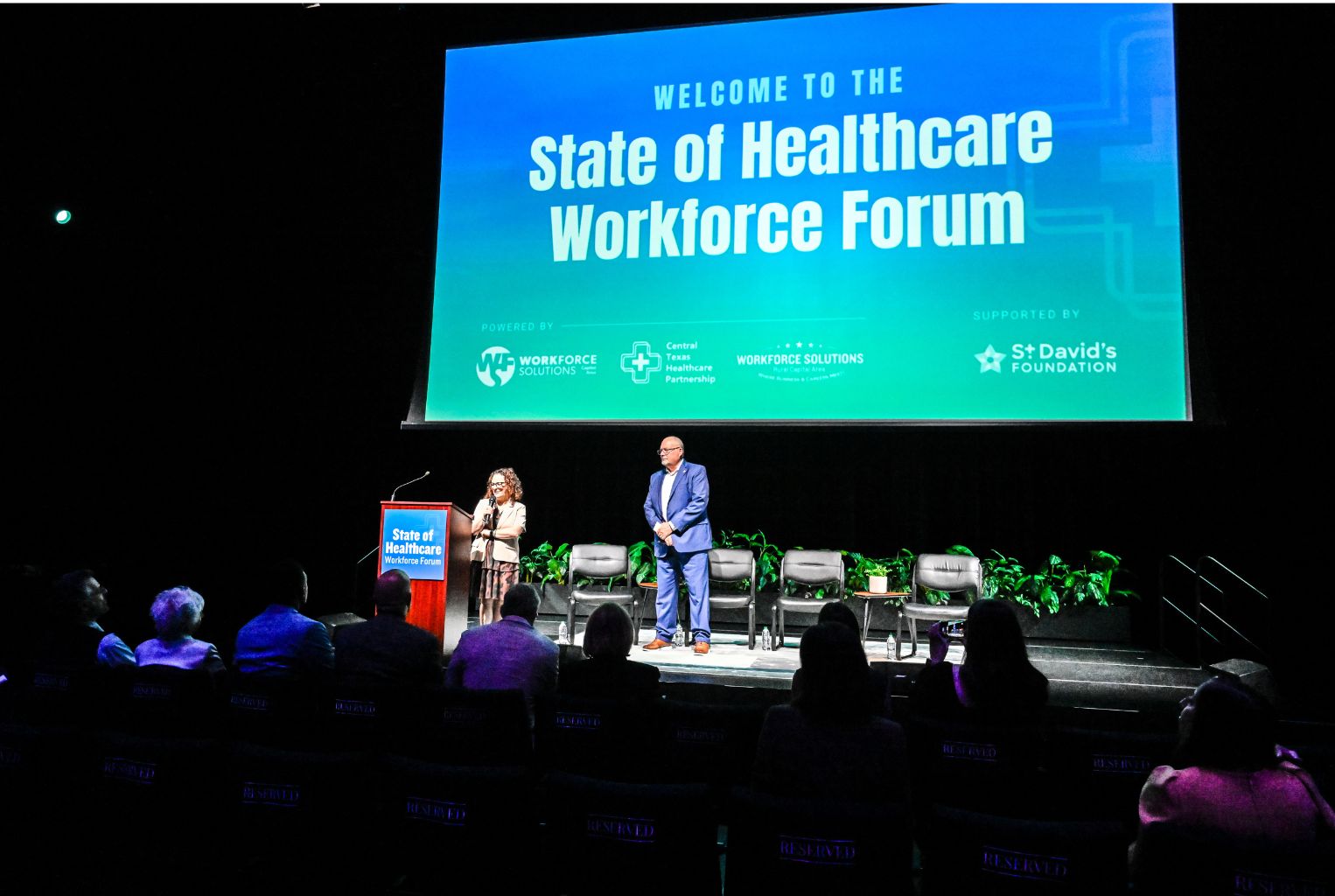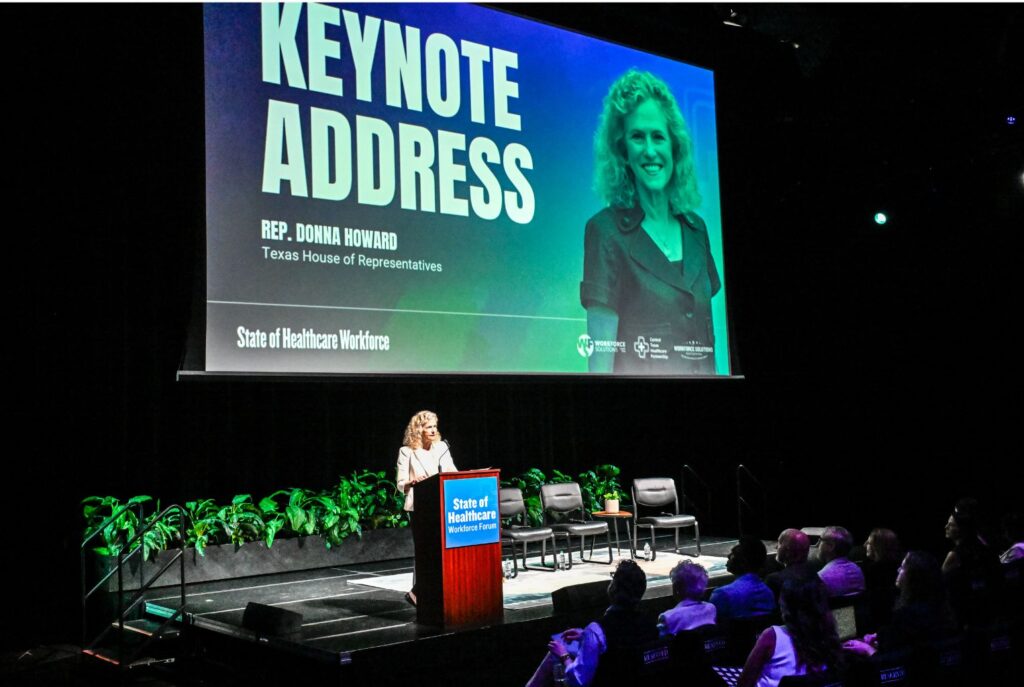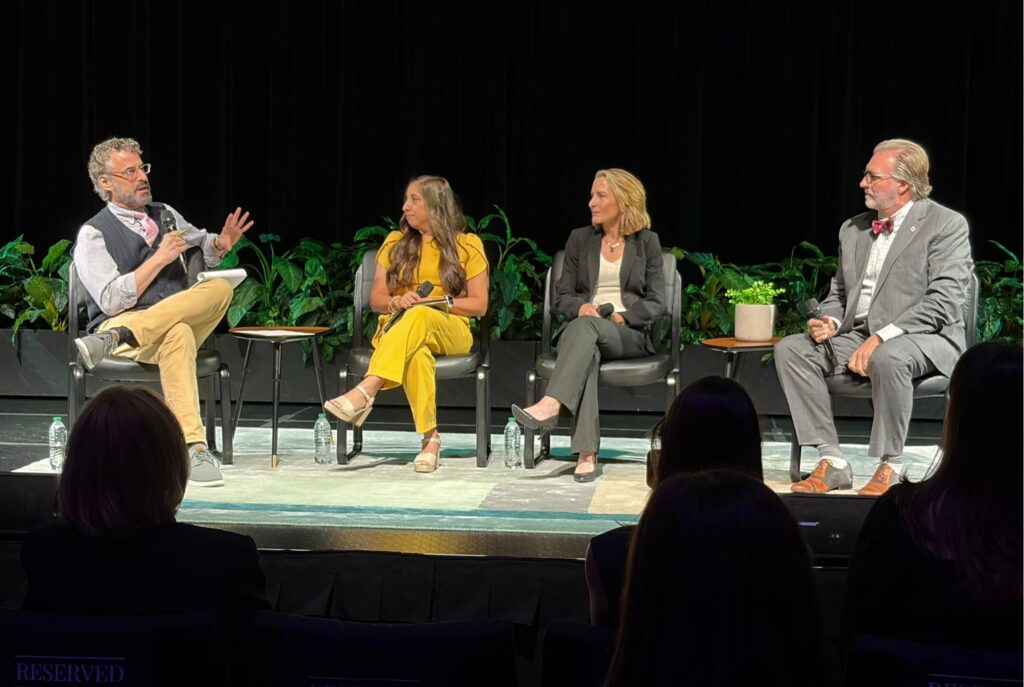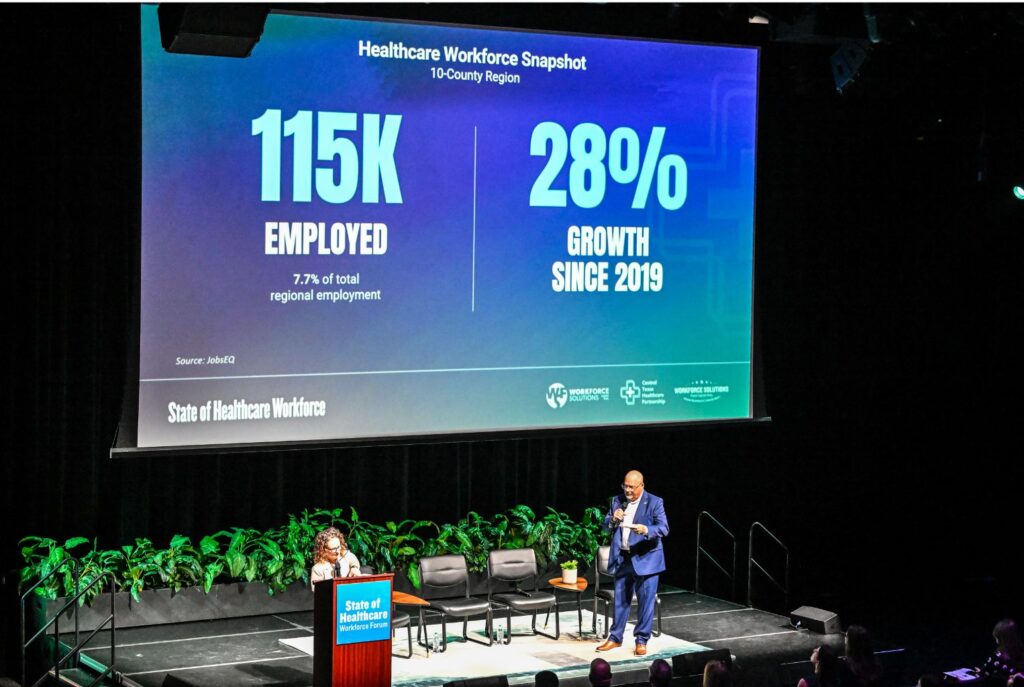
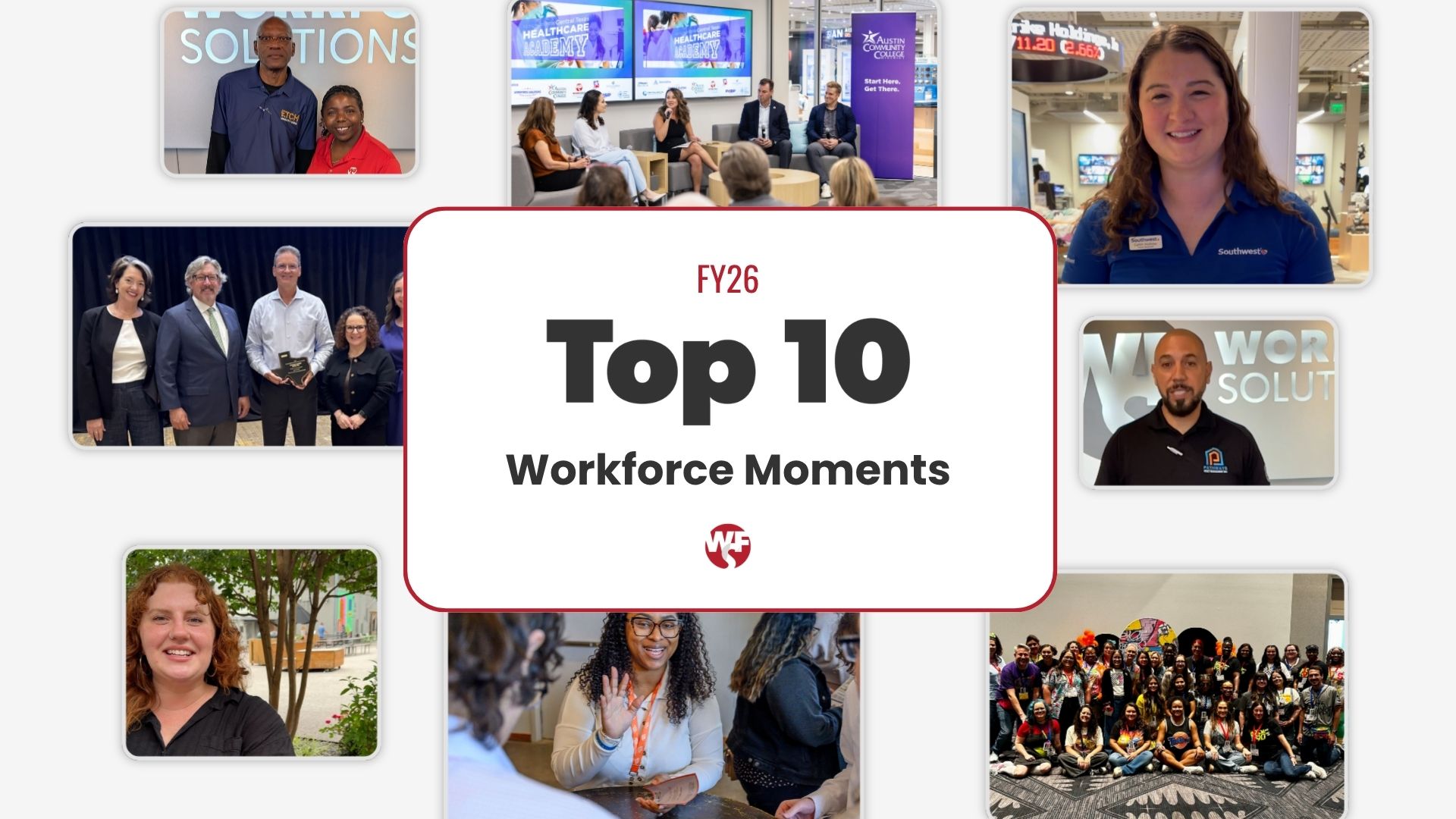
As another fiscal year comes to a close, we’re looking back at 10 moments that helped shape workforce development across Austin and Travis County.
FY26 was a year of connecting more local people to opportunity and working with employers, educators and community partners to strengthen the talent pipelines our region depends on.
From personalized support for job seekers and families to new pathways into in-demand occupations, these moments show what workforce development looks like when people have someone in their corner, a path forward and the support to take their next step.
Here are 10 moments that stood out.
10. We invested in the manufacturing leaders of tomorrow
Workforce Solutions Capital Area invested in the skills of Central Texas’ existing manufacturing workforce through incumbent worker training.
In partnership with the Austin Regional Manufacturers Association, we invested $18,000 to help 12 employees from four local manufacturers (Athena Manufacturing, Acutronic, Cypress Technologies and White Rock Manufacturing) strengthen their supervisory skills through training delivered by the Texas Manufacturing Assistance Center.
Why it matters: Helping employers develop talent from within creates opportunities for workers to advance while strengthening the leadership pipeline local manufacturers need to grow.
9. We put the people behind our workforce system at the center of the story
This year, we began sharing firsthand stories from the people who experience our workforce system every day.
Job seekers, employers, child care providers and parents shared how career guidance, training, child care and other workforce services helped them take their next step.
Why it matters: The numbers tell part of our story. Hearing directly from the people behind them shows what workforce development can mean for a career, a family or a business.
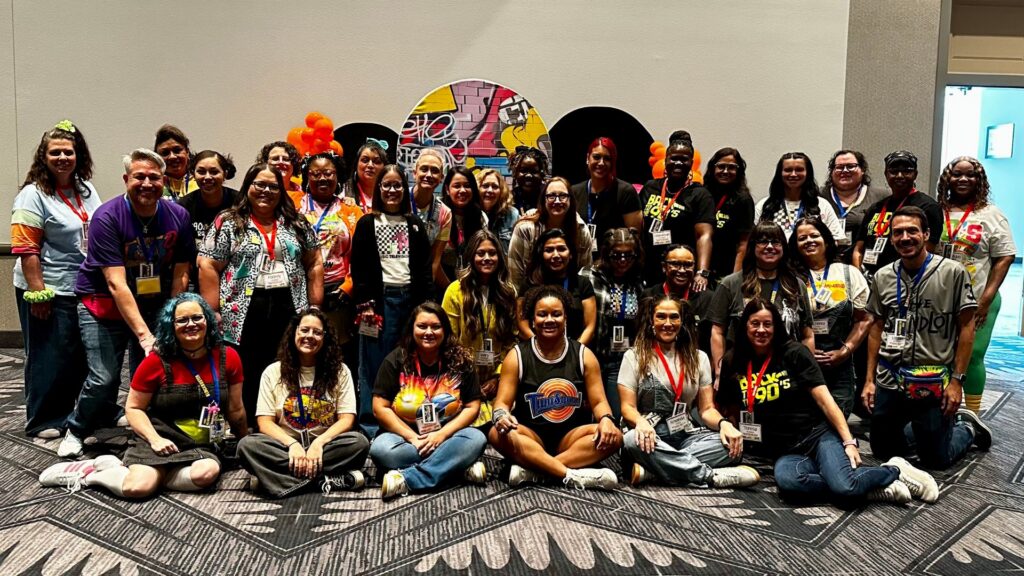
8. More than 850 early childhood professionals came together at SHINE
At the SHINE Symposium, held in partnership with Workforce Solutions Rural Capital Area, more than 850 early childhood professionals came together for professional development, resources and opportunities to connect with others across the child care community.
Why it matters: Supporting early childhood professionals strengthens the child care system that local families and our broader workforce depend on.

7. We launched Workforce Industry Insights to spotlight Central Texas’ growing industries
In partnership with Opportunity Austin and Workforce Solutions Rural Capital Area, we launched Workforce Industry Insights, bringing workforce data and regional expertise together to examine the talent needs shaping some of Central Texas’ fastest-growing industries.
Through white papers, case studies and data reports, the partnership provides employers with insights into hiring trends, workforce needs and the regional strategies helping build talent pipelines across Central Texas.
Why it matters: Giving employers a clearer picture of our region’s workforce helps local businesses plan for their talent needs while showcasing Central Texas’ ability to support industries looking to grow here.
6. Yael Lawson was named CEO of Workforce Solutions Capital Area
In FY26, Yael Lawson was named CEO of Workforce Solutions Capital Area, bringing years of workforce leadership and experience within our organization to the role.
Her appointment marked a new chapter for Workforce Solutions Capital Area as we continue bringing employers, educators, community organizations and public partners together around our region’s workforce needs.

5. More than 100 high school seniors got Next Level Ready
More than 100 high school seniors from Austin ISD, Elgin ISD, Manor ISD and Pflugerville ISD participated in Next Level Ready, connecting students preparing for life after high school with local employers, educators and workforce organizations.
Students came prepared with resumes, professional attire and elevator pitches before meeting directly with participating organizations. They also heard presentations from Amplify Credit Union and Austin SHRM and had an opportunity to receive a professional headshot.
Why it matters: Connecting students directly with employers and helping them practice the skills they’ll need gives young people a clearer next step as they move from high school into work or continued education.
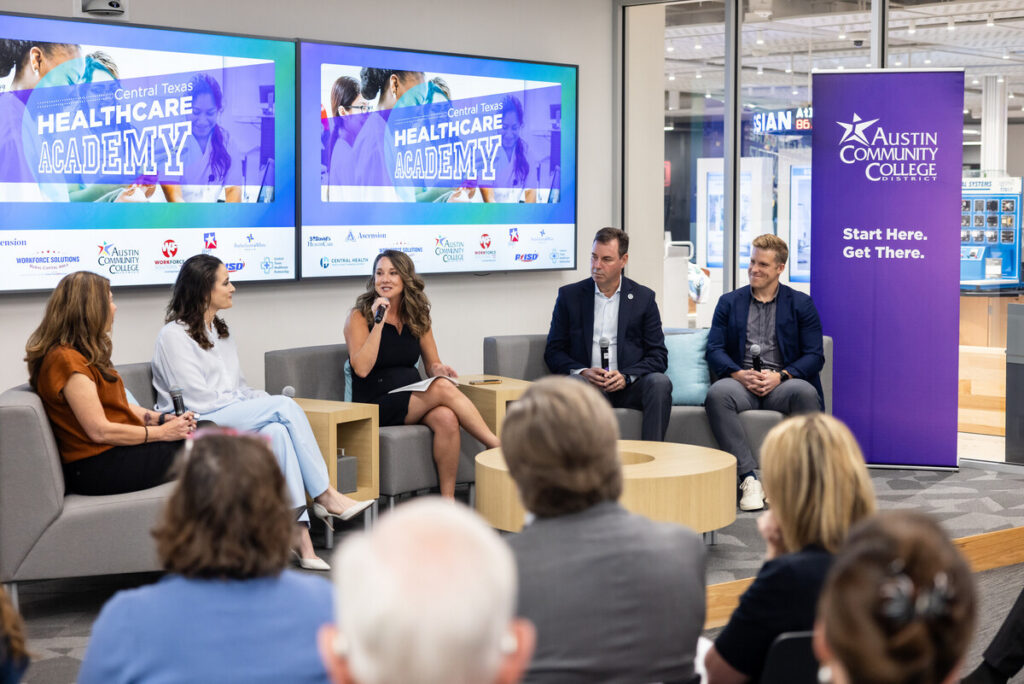
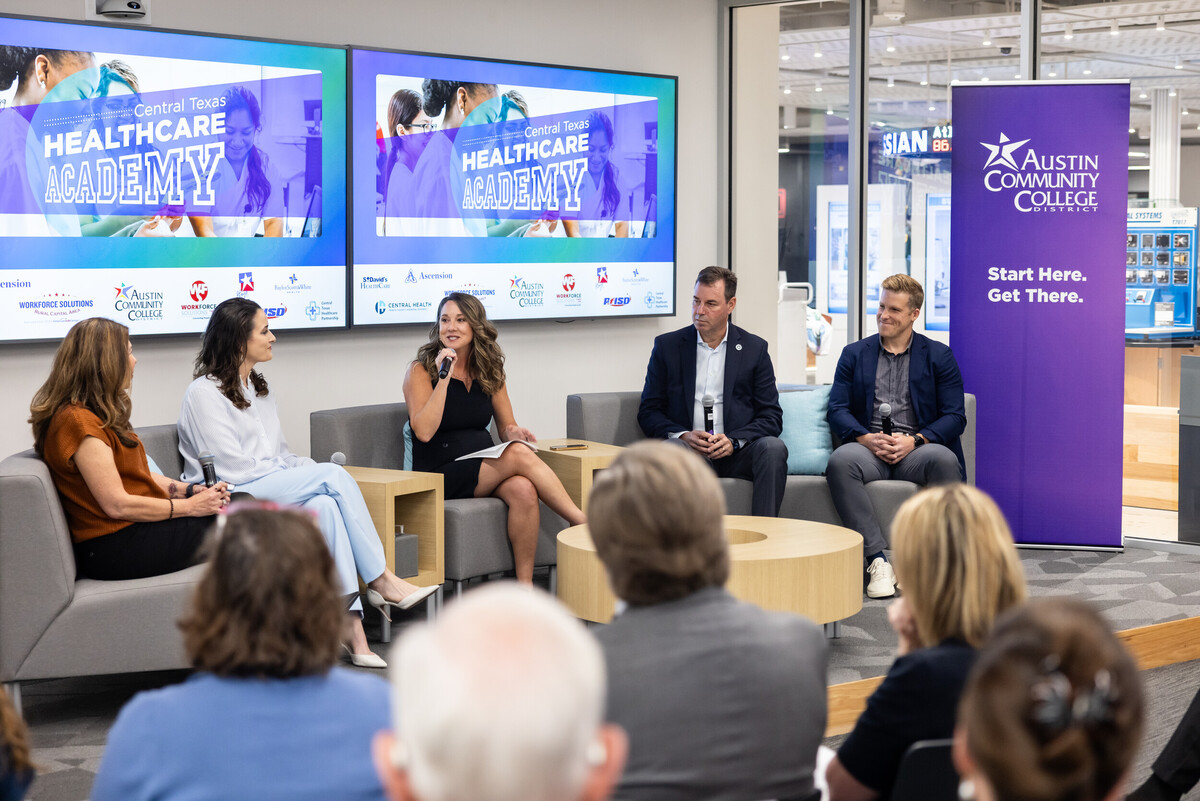
4. Regional partners launched the Central Texas Healthcare Academy
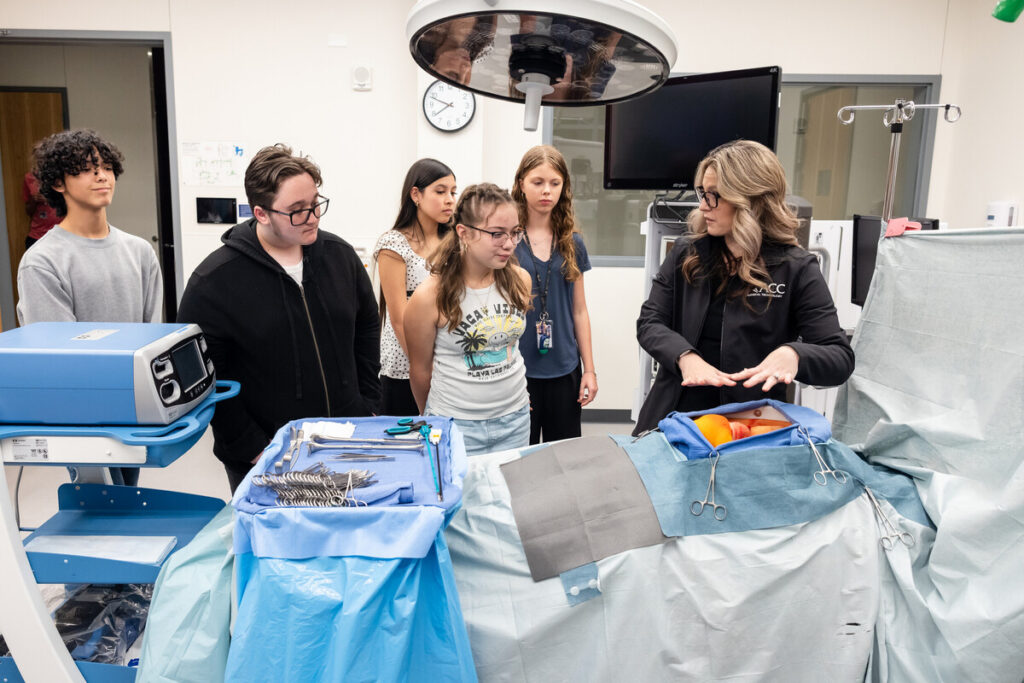
This year, regional partners launched the Central Texas Healthcare Academy, creating new opportunities for high school students to begin preparing for healthcare careers before graduation.
Developed by the Central Texas Healthcare Partnership, the Academy allows students to begin healthcare training while still in high school, completing prerequisites and co-requisites for pathways including nursing, Surgical Tech, Radiology Tech and Health Information Technology.
Why it matters: Central Texas employers need more healthcare professionals, while students need clearer pathways into those careers. Starting healthcare training earlier can help students build a path toward in-demand careers while strengthening the region’s future healthcare workforce.
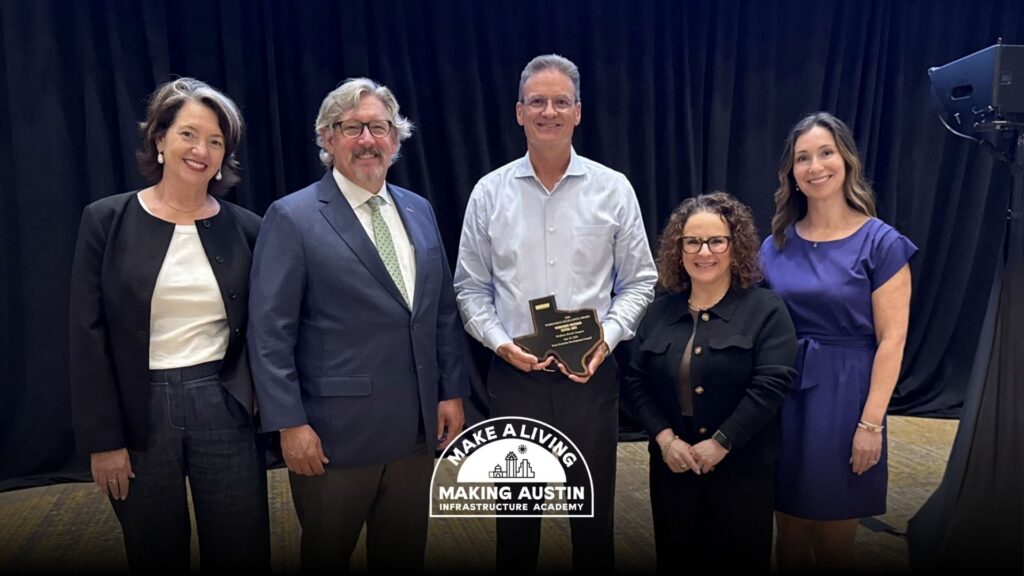
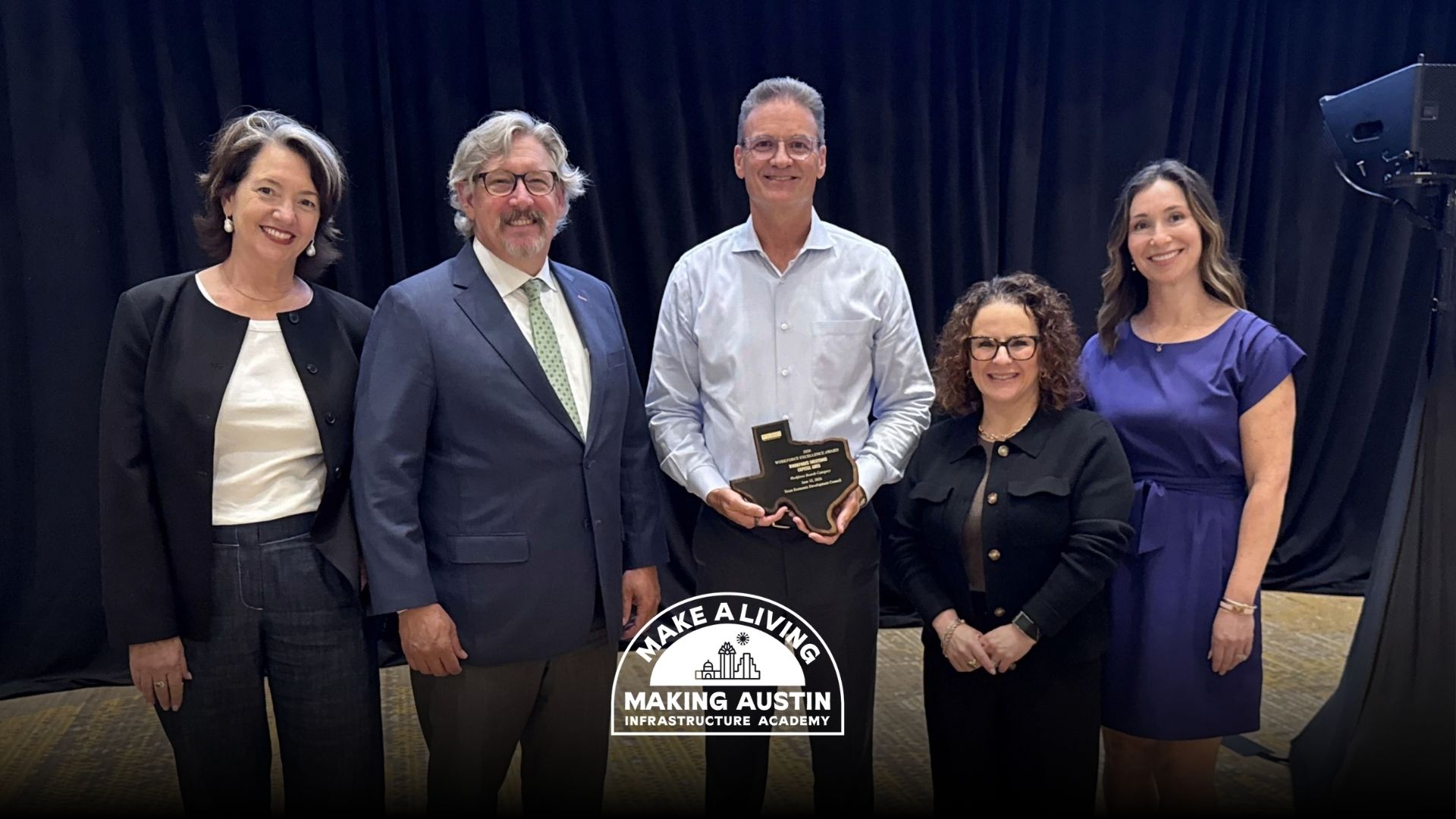
3. The Austin Infrastructure Academy earned statewide recognition
The Austin Infrastructure Academy earned statewide recognition for its collaborative approach to preparing local residents for careers connected to the region’s major infrastructure investments.
The Austin Infrastructure Academy is a local coalition of partners in government, education, business, and the community working together to grow Austin’s workforce in transportation, construction, and other skilled trades. The Academy connects local people to training and careers that power Austin’s growth—removing barriers so they can make a living, making Austin.
Why it matters: The Academy connects local people to careers created by our region’s infrastructure investments while helping employers build the skilled workforce needed to deliver those projects.

2. Travis County launched a $21 million investment to expand child care access
Through Raising Travis County, Travis County launched a $21 million investment to expand access to affordable child care and strengthen the providers families depend on. Through the initiative, Workforce Solutions Capital Area is expanding child care scholarships for local families while delivering gap funding to providers, helping make care more affordable for families and more sustainable for the programs that serve them.
As of August 5:
- 577 children were enrolled in Raising Travis County scholarships
- 132 child care providers were receiving gap payments
- $4.2 million in gap payments had been distributed to providers
Why it matters: Child care can be one of the biggest barriers between a parent and their next opportunity. Expanding access helps parents work, train and advance while supporting the providers who make that possible.
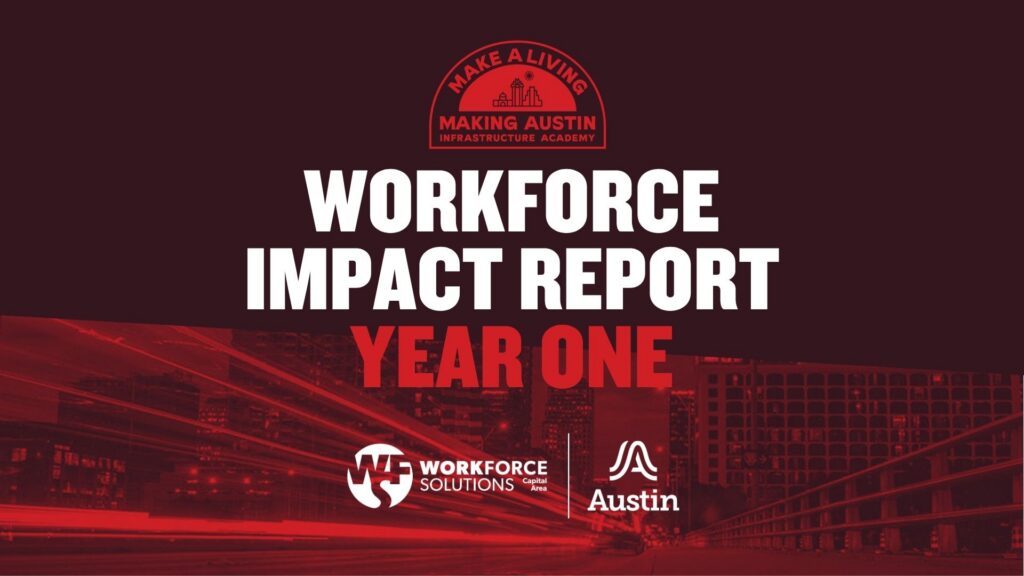
1. We marked one year of impact through the Austin Infrastructure Academy
One year after its launch, the Austin Infrastructure Academy is showing how career navigation, training and support can connect local residents with the workforce opportunities created by our region’s infrastructure investments.
From March 2025 through June 2026, the Academy:
- Connected 1,856 residents to career opportunities
- Enrolled 1,654 participants into the Austin Infrastructure Academy
- Awarded 210 training scholarships
- Helped 142 residents become employed or advance their careers
Behind those numbers are local residents receiving career coaching, training and other support designed around real workforce demand.
Why it matters: The Austin Infrastructure Academy aligns career navigation, training and support with employer demand, helping local residents build a path toward the jobs being created by our region’s infrastructure investments.

See more of our impact
These 10 moments capture only part of what local job seekers, employers, families, students and partners accomplished together this year.
For a deeper look at the results behind our workforce system, explore our recently released FY25 Impact Report, highlighting outcomes across job seeker services, employer engagement, child care and our future workforce.
As we begin FY27, we’re carrying forward the partnerships, lessons and momentum of the past year as we continue our mission to support and connect local people to local jobs.